9-Day Western Uganda Impact Tour: 3 Amazing Highlights You’ll Never Forget
Western Uganda impact tour isn’t just another safari — it’s a journey of heart, nature, and connection. Imagine paddling across a misty lake at sunrise, trekking with chimpanzees under towering rainforest canopies, and spending meaningful time in a village school where your presence helps shape futures. With Amatsiko Tours, this 9-day adventure supports local communities, uplifts education, and preserves wildlife — all while you explore some of Uganda’s most breathtaking landscapes.
Table of Contents

Quick Western Uganda Impact Tour Itinerary Overview
- Day 1: Arrival in Entebbe/Kampala or Kigali → Transfer to Kabale
- Day 2: Explore Lake Bunyonyi: boat trip & village immersion
- Day 3: Craft workshops, traditional cooking & homestay around Bunyonyi
- Day 4: Volunteer at Amatsiko Preparatory School
- Day 5: Farm visit + travel to Kibale
- Day 6: Chimpanzee trekking & community coffee / banana experiences
- Day 7: Transfer to Queen Elizabeth National Park
- Day 8: Game drive + Kazinga Channel boat cruise
- Day 9: Reflect & depart to Entebbe / Kampala / Kigali
The Journey: Day by Day for Western Uganda impact tour
Day 1 – Welcome to Western Uganda
You arrive either in Entebbe / Kampala or Kigali, depending on your flight. If time allows, you might explore the lively streets of Kampala or the green hills of Kigali. Either way, soon you’ll hit the road, winding through terraced hills and banana plantations, with the air growing cooler and fresher as you ascend. By evening, you arrive in Kabale, nestled in the Kigezi Highlands — a quiet town that feels like the beating heart of rural Uganda.
Day 2 – Lake Bunyonyi: Peace & Paddle
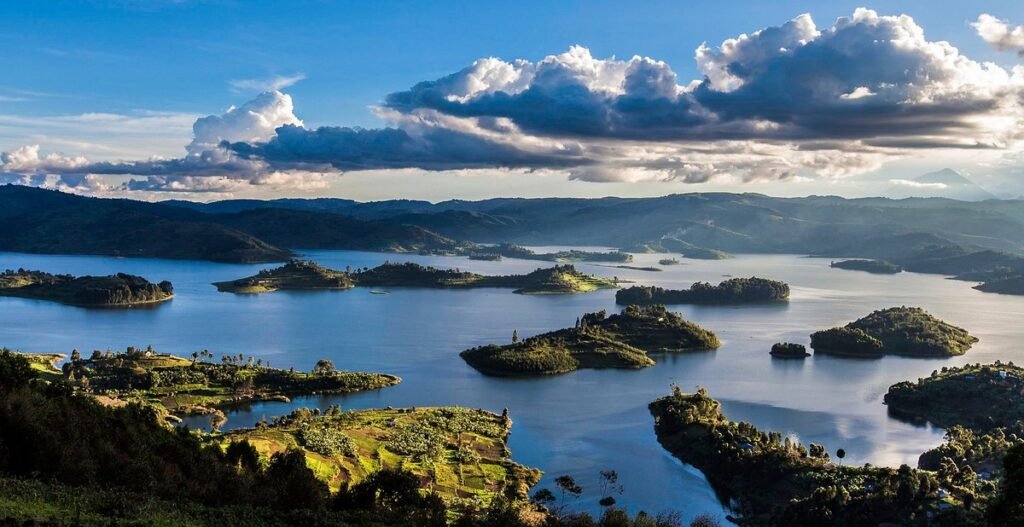
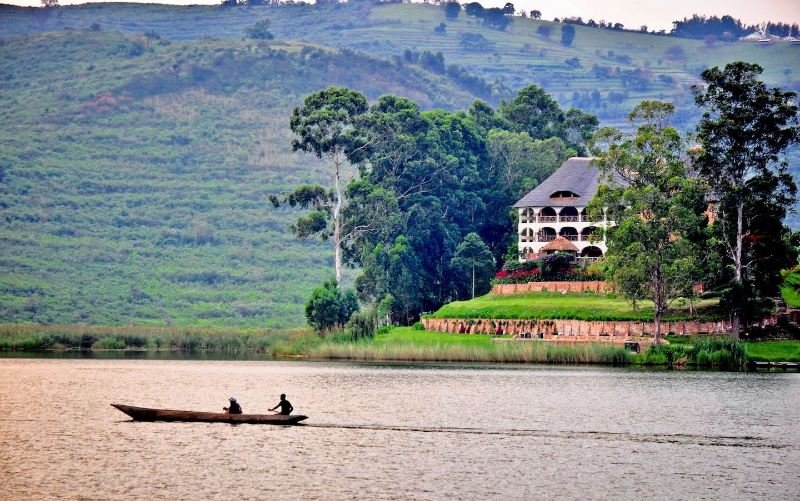
On the second day, you wake to the serene beauty of Lake Bunyonyi, often called the “Switzerland of Africa.” Mist hovers over its glassy waters, islands dot the surface like emeralds, and bird calls echo gently across the lake. You board a dugout canoe, paddling between islands, feeling the rhythm of the lake and the warm sun on your back. The journey feels slow and sacred.
Then you land on one of the islands and meet local artisans. Women sit weaving baskets, their fingers dancing over fibers, turning raw reeds into intricate patterns. By sharing this time, you’re not just observing — you’re contributing to community-based tourism that supports local livelihoods.
Day 3 – Deep Roots in Village Life
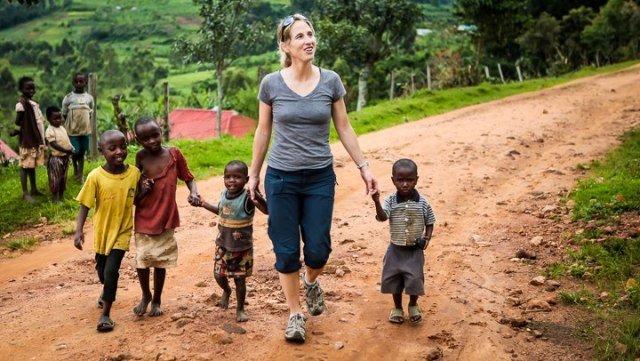
Day three is wholly about connection. You join cultural visits where you learn to make traditional crafts: weaving, beading, maybe even pottery. The laughter of children rings through the village paths; the aroma of local cooking drifts from open kitchens.
In the evening, you stay with a local family, sharing stories around firelight and cooking traditional dishes. This is homestay tourism at its best — full of authenticity, respect, and shared humanity. Amatsiko Tours highlights these community-based experiences so that travelers can really belong.
Day 4 – Making a Difference: Volunteering at Amatsiko School
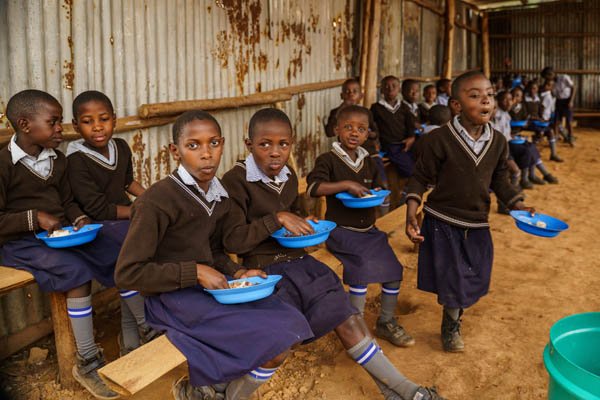
This is one of the most powerful days of your trip. At Amatsiko Preparatory School, you don’t just volunteer — you teach, play, mentor, or even help in the garden. The children’s smiles are wide, their curiosity deep, and the impact you make is real. By participating, you’re helping fund educational initiatives that reach over 400 children.
Your presence here is more than symbolic — part of Amatsiko Tours’ mission is to channel a portion of tour profits directly into community projects.
Day 5 – Farm Life and Scenic Transfer to Kibale
Leaving Kabale’s hills behind, you travel to Kibale National Park. Along the way, you stop at local farms where you lend a hand — harvesting bananas, tending vegetable patches, or just learning from farmers how their lives are shaped by the land. The soil smells rich, the air carries the scent of growing things, and your guide tells stories of how agriculture and livelihood intertwine here.
By evening, you arrive in the region of Kibale, ready for the forest adventure ahead.
Day 6 – Chimpanzee Trekking & Local Traditions
After the trek, the human side of the day unfolds: you help roast coffee beans, pick bananas, and make banana juice. The aroma of fresh coffee mingles with the earthy scent of banana leaves. You realize tourism here doesn’t just show nature — it supports the local community, especially women-led cooperatives and small-scale farmers.
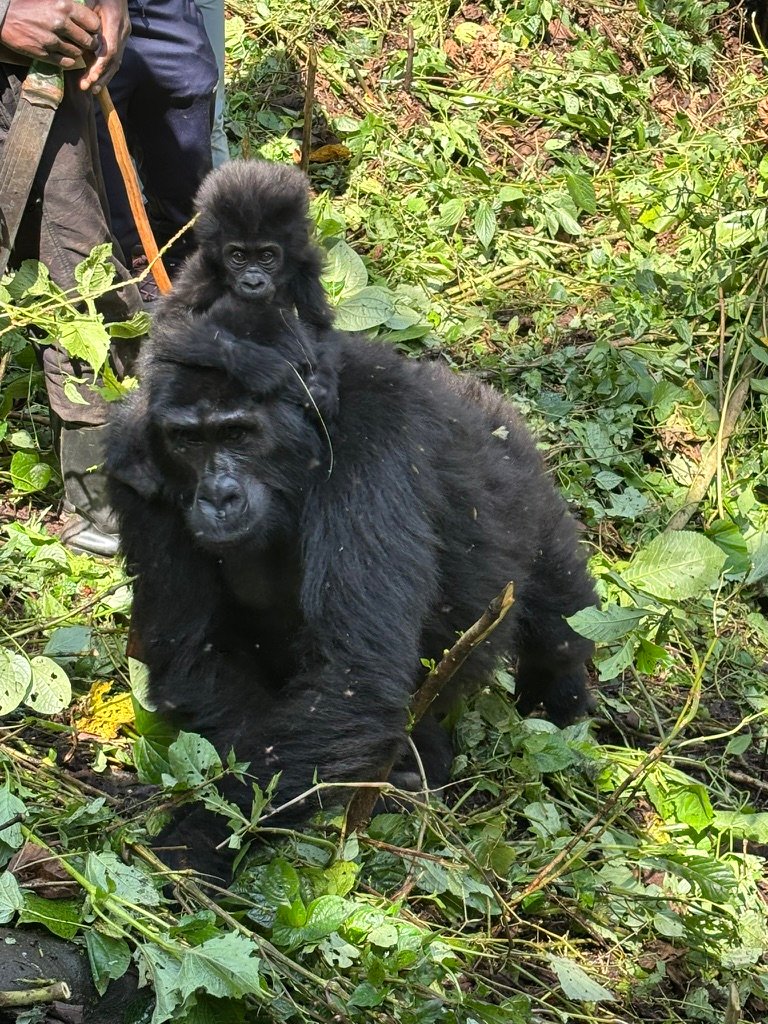
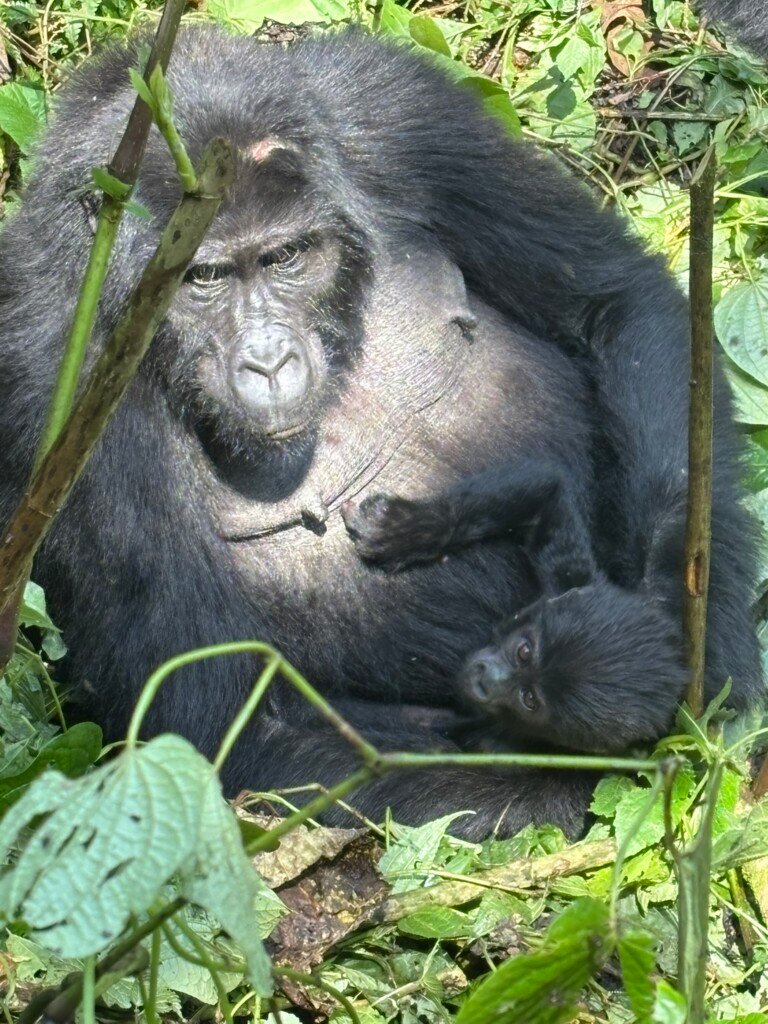
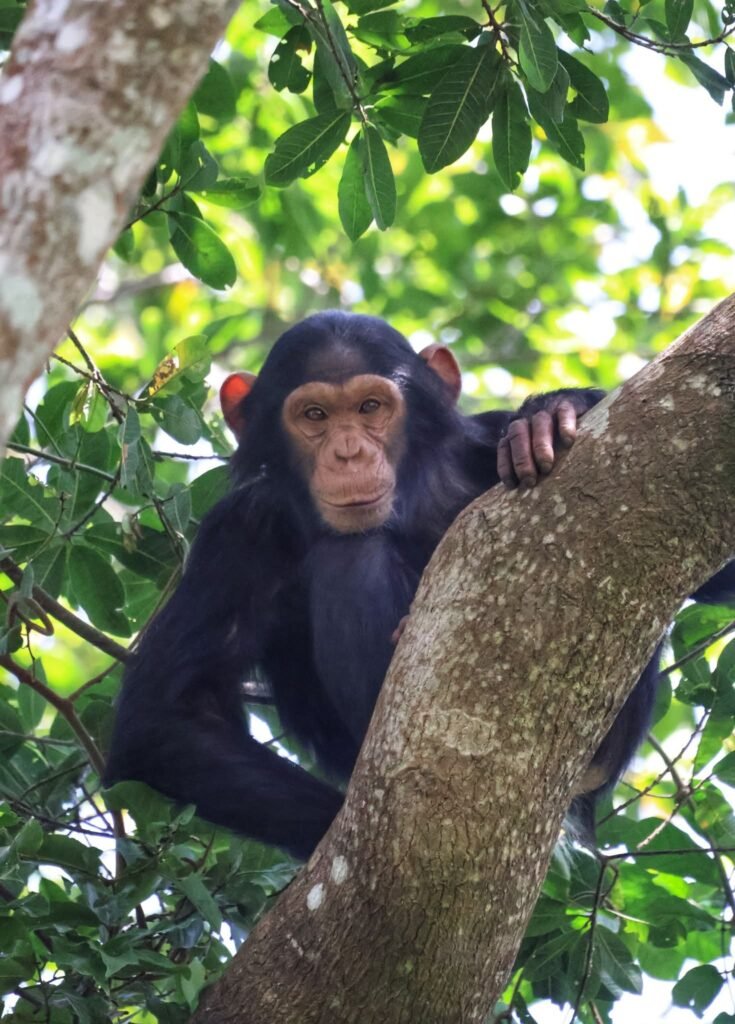
This is a dream day. You enter Kibale Forest, led by a trained guide who knows the trails like the back of their hand. The forest feels alive — leaves rustling, birds calling, primates interacting. Then, if you’re lucky, you encounter chimpanzees in their natural habitat — a moment both humbling and exhilarating.
Day 7 – Off to Queen Elizabeth National Park
With the forest behind you, it’s time for a different kind of wild: Queen Elizabeth National Park. The drive is scenic — hills flatten into grasslands, and clusters of acacia trees begin to appear. You cross rivers and pass villages, feeling the geography changing around you. Soon you arrive at your lodge and tuck into dinner as dusk lowers over the savannah.
Day 8 – Game Drive & Boat Cruise on the Kazinga Channel
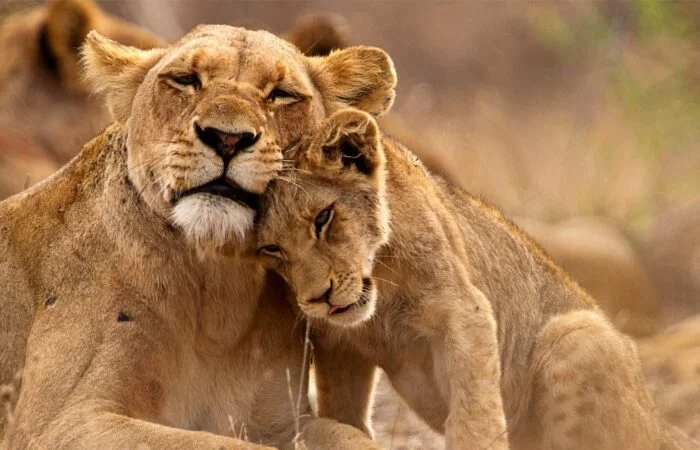
Early in the morning, you embark on a game drive through Kasenyi Plains. Elephants might roam in the distance. Buffalo wallow in mud. Lions lounge in the grass (if luck is on your side). Your guide, whose eyes are sharp and experience deep, spots signs and tracks you’d never notice alone.
In the afternoon, you climb aboard a boat for a cruise on the Kazinga Channel, one of the biggest draws in Queen Elizabeth NP. Hippos surface, birds glide overhead, and water shimmers like a mirror. This isn’t just a safari — it’s a living classroom, and your trip helps fund conservation and anti-poaching initiatives.
Day 9 – Reflection & Departure
Your final morning begins softly: maybe a gentle walk, maybe just a moment on the lodge veranda, watching the sunrise over the plains. The memories settle in — laughter with kids, the sound of oars on water, the thrill of wildlife. You drive back to Entebbe / Kampala, or perhaps Kigali, depending on your itinerary.
As you reflect on the 9-day Western Uganda impact tour, there’s a sense of having given, but also of having received — deeply.
Why This Western Uganda impact Tour Is More Than a Safari
- Community-Based Impact: Through volunteering at Amatsiko Preparatory School, staying in homestays, and participating in local craft workshops, your travel supports education and livelihoods.
- Sustainable Conservation: Your safari helps fund environmental stewardship, anti-poaching efforts, and reforestation initiatives.
- Authentic Cultural Exchange: Rather than rushing through tourist attractions, you slow down. You listen. You learn. You bond.
Travel Kindly: How to Travel Responsibly on This Tour
- Practice Good Health Safety
When trekking chimpanzees, follow park rules. Great ape tourism can pose health risks to primates — stay a safe distance, and do not go on a trek if you’re unwell. The Guardian - Bring Reusables
Use a refillable water bottle, and bring a reusable bag to reduce plastic waste in the communities you visit. - Support Local Projects
Buy crafts directly from artisans in Bunyonyi, donate to community school initiatives, or bring small gifts that help (books, school supplies). - Be Respectful & Curious
Engage in village life with humility — listen first, speak respectfully, and observe cultural norms. - Offset Your Footprint
Consider contributing to reforestation efforts or community-led conservation projects that Amatsiko supports.
Practical Travel Information
- Best Time to Travel: The dry seasons (June–August, December–February) are ideal for trekking and wildlife viewing.
- Starting Point: You can start the tour in Entebbe / Kampala (7–8 hrs drive to Kabale) or Kigali (~2 hrs to Kabale).
- Volunteer Placement: Amatsiko helps you volunteer at their own Preparatory School, ensuring your efforts align with real community needs.
- Conservation Support: Tour revenue helps fund tree planting, ranger training, environmental education, and more.
Frequently Asked Questions (FAQ)
1. What is a Western Uganda impact tour?
A Western Uganda impact tour combines wildlife experiences with community-based tourism. Travelers enjoy safaris, chimpanzee trekking, and scenic landscapes while supporting local schools, artisans, farmers, and conservation programs. With Amatsiko Tours, every booking contributes to real community impact.
2. Do I need permits for chimpanzee tracking in Kibale?
Yes. A chimpanzee trekking permit is required for Kibale National Park. Amatsiko Tours will arrange this for you, but it’s important to book early — permits can sell out during peak travel seasons.
3. Is this tour suitable for families or older travelers?
Definitely. The itinerary is flexible, and activities can be adapted for families with children or senior travelers. Community experiences at Lake Bunyonyi and school visits are especially family-friendly.
4. What should I pack for a 9-day Western Uganda impact tour?
Bring:
- Comfortable hiking shoes
- Light, breathable clothing
- A refillable water bottle
- Insect repellent & sunscreen
- A light rain jacket
- Camera or binoculars for wildlife viewing
- Small donations (optional): notebooks, pencils, or books for the school
5. Can the tour start in Kigali instead of Entebbe?
Yes — Amatsiko Tours offers flexible starting points. Kigali is only about 2 hours from Kabale, making it a very convenient gateway. You can also end the tour in Kigali or Entebbe.
6. How does this tour benefit local communities?
Your participation helps fund:
- Amatsiko Preparatory School
- Women’s craft cooperatives
- Community farming projects
- Local guides and homestay families
- Conservation and reforestation initiatives
The impact is direct, transparent, and meaningful.
7. Is volunteering at Amatsiko School required?
Not at all — but it’s highly encouraged and usually the most memorable part of the journey. You can choose between teaching support, reading sessions, sports, gardening, or simple classroom assistance.
8. Is Uganda safe for travel?
Yes. Uganda is one of East Africa’s safest travel destinations. Amatsiko Tours provides 24/7 support, vetted drivers, and professional local guides throughout the itinerary.
9. What type of accommodations can I expect?
You’ll stay in a mix of eco-lodges, lakeside guesthouses, and community homestays — all selected for comfort, authenticity, and sustainability.
10. When is the best time to book?
Dry seasons — June to August and December to February — are ideal for wildlife viewing and trekking. Book several months in advance during these periods due to high permit demand.
Call to Action
Ready to explore Uganda in a way that transforms lives — including your own?
👉 Start planning your 9-Day Western Uganda Impact Tour with Amatsiko Tours today.
Travel meaningfully, connect deeply, and experience Uganda in its truest, most heartfelt form.