14 Must-Stay Uganda Safari Lodges That Will Transform Your Wild Journey
Why Uganda Safari Lodges? — A Land of Roars, Wings & Rainforest Whispers
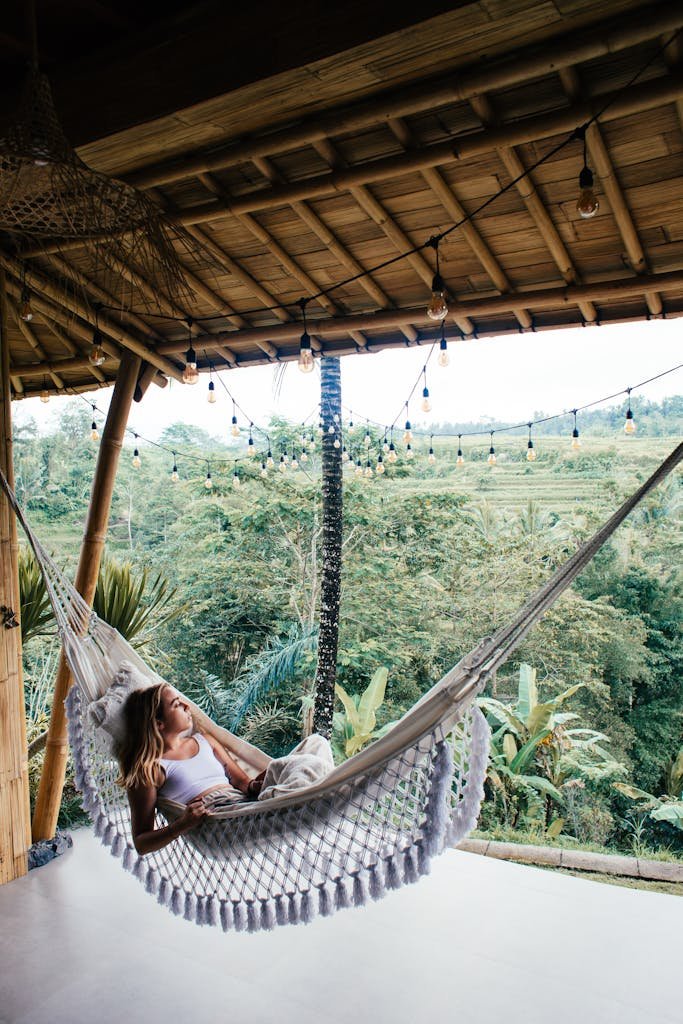
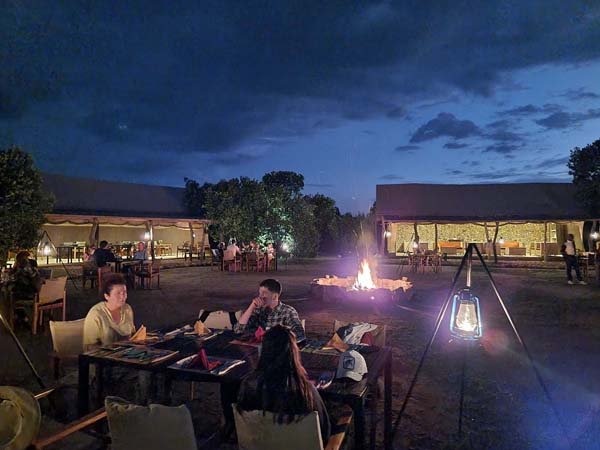
If you’ve ever dreamed of waking to the roar of a waterfall, the rustle of forest leaves, or the soft tread of hippos at dawn then a safari in Uganda, staying at top Uganda safari lodges, makes that dream real. From lakeside bungalows to misty mountain cabins, these lodges do more than host you: they connect you to land, wildlife, and community. This 14-day itinerary traces a loop from your first step in Entebbe to the deep jungles of Bwindi and beyond, giving you a blend of savanna, rainforest, chimp and gorilla trekking, lakeside calm and riverside thunder.
Table of Contents
Itinerary Overview: 14 Days, 7 Parks, 8 Lodges
| Day(s) | Location & Park | Lodge(s) |
|---|---|---|
| 1–2 | Lake Mburo National Park | Kigambira Safari Lodge OR Eagle’s Nest Lodge |
| 3–4 | Queen Elizabeth National Park | Baboon Safari Resort (or alternative nearby) |
| 5–6 | Kibale National Park | Bweza Lodge (or similar in Kibale) |
| 7–9 | Bwindi Impenetrable National Park (Rushaga sector) | Rushaga Gorilla Camp / Bweza (Rushaga) |
| 10–11 | Lake Bunyonyi | Arcadia Cottages OR Bunyonyi Safaris Resort |
| 12–13 | Murchison Falls National Park | Paraa Safari Lodge / Heritage-class lodge |
| 14 | Return to Entebbe / Departure | — |
Day 1–2: Lake Mburo — The gentle savanna welcome
Arrive from Entebbe and head to the open plains and lakes of Lake Mburo National Park. At either Kigambira Safari Lodge or Eagle’s Nest Lodge, you’ll settle in just as hippos begin their evening chorus by the water.
- Walking safaris here are magical — for once you leave the vehicle behind, you’ll feel the warm earth underfoot, see the subtle hoof-prints of antelope, hear the brush of grass as zebras wander nearby.
- A boat ride across the lake at dusk gives glimpses of hippos surfacing, flocks of birds returning to roost, and the water turning molten gold under sunset.
This gentle start eases you in — no fatigue, no long treks — just a soft step into Uganda’s wild heart.
Day 3–4: Queen Elizabeth — Waterways, wildlife & community magic
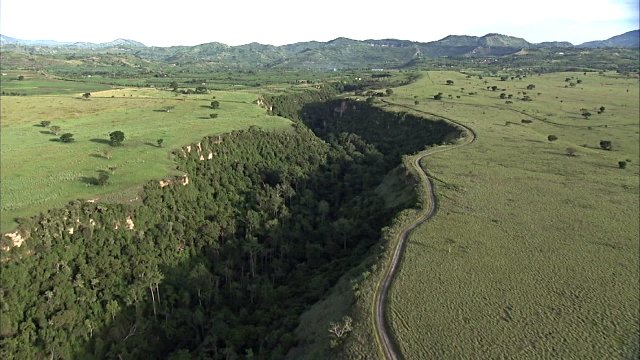
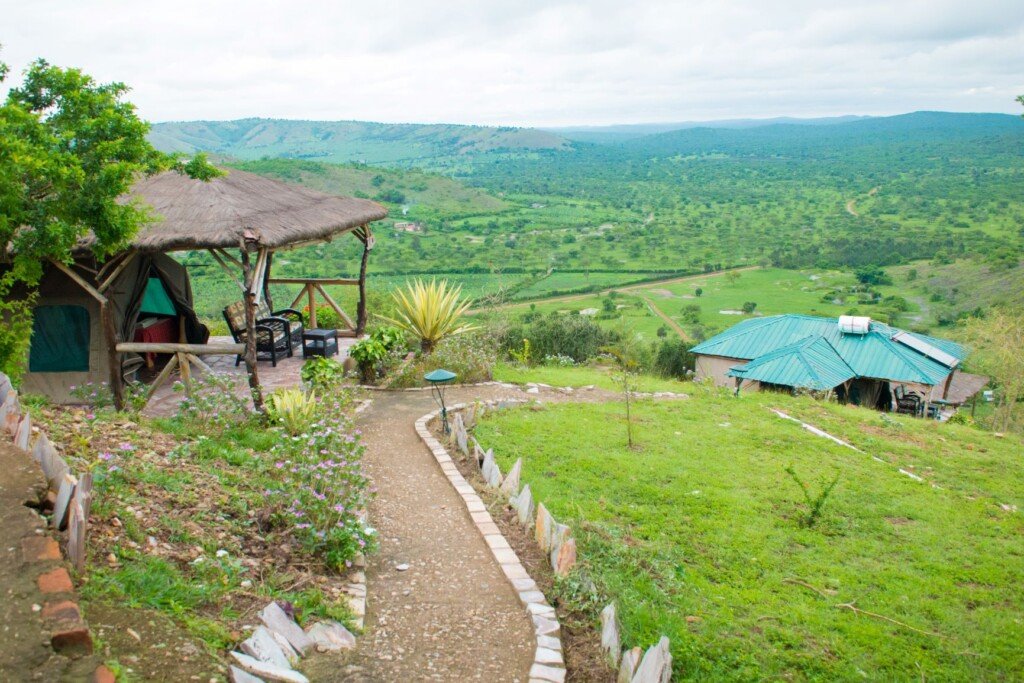
Next, travel west toward Queen Elizabeth National Park, staying at Baboon Safari Resort (or an equivalent nearby). As you drive in, the flat savanna opens into woodland and riverine zones, and by late afternoon you may glimpse buffalo or elephants grazing near shady groves.
- On a boat cruise along the Kazinga Channel, you’ll drift past hippos, crocodiles and waterfowl — water slapping softly under the boat, the air cooling as the sun slides low.
- If you choose to head south to the Ishasha region, there’s always the chance of spotting the legendary tree-climbing lions, lounging lazily on fig-tree branches, looking out over their domain with lazy majesty.
- Round off the day with a community visit — meet local artisans, try fresh chai, and spend in ways that directly support local livelihoods.
Day 5–6: Kibale — Chimp forest & wetland whispers
From savanna you’ll head to forested hills around Kibale National Park. At Bweza Lodge or a similar nearby, the air becomes humid, mossy, rich with forest smells.
- Rise at dawn for chimpanzee tracking — climbing into cool green understory, listening for distant pant-hoots that send your pulse racing. When you see a group of chimps moving through vine and liana, you feel part of something ancient and alive.
- In the afternoon, meander through the Bigodi Wetland Sanctuary — boardwalks over marshy ground, herons and kingfishers, frogs calling, dragonflies flickering in the light. A peaceful, grounding contrast to the adrenaline of primates, and a strong example of community-led conservation and eco-tourism.
Day 7–9: Bwindi Rushaga — Mountains, mist and gorilla eyes
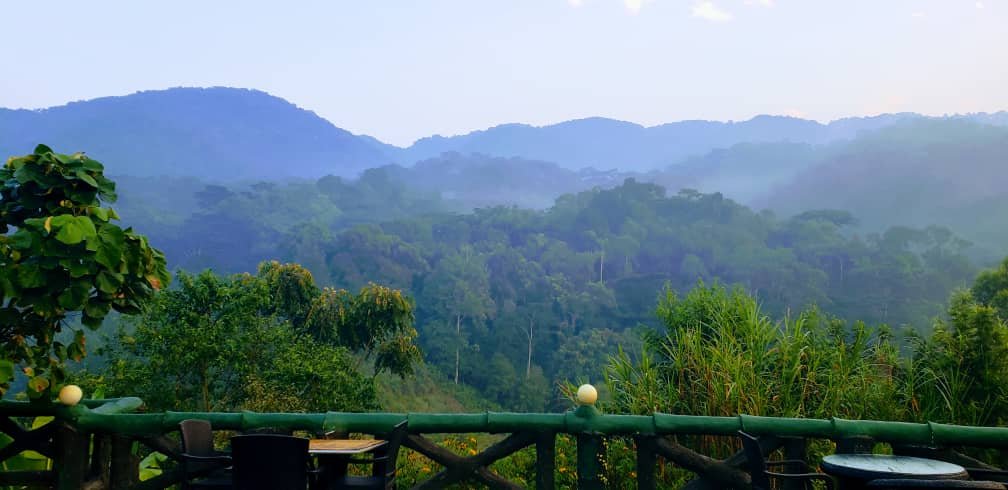
Then begins the heart of the journey: travel into the highlands toward Bwindi Impenetrable National Park (Rushaga sector), staying in Rushaga Gorilla Camp or Bweza (Rushaga). As you climb, terraces of farmland roll by, mist wraps the hills, and forest edges appear — ancient, dark, alive.
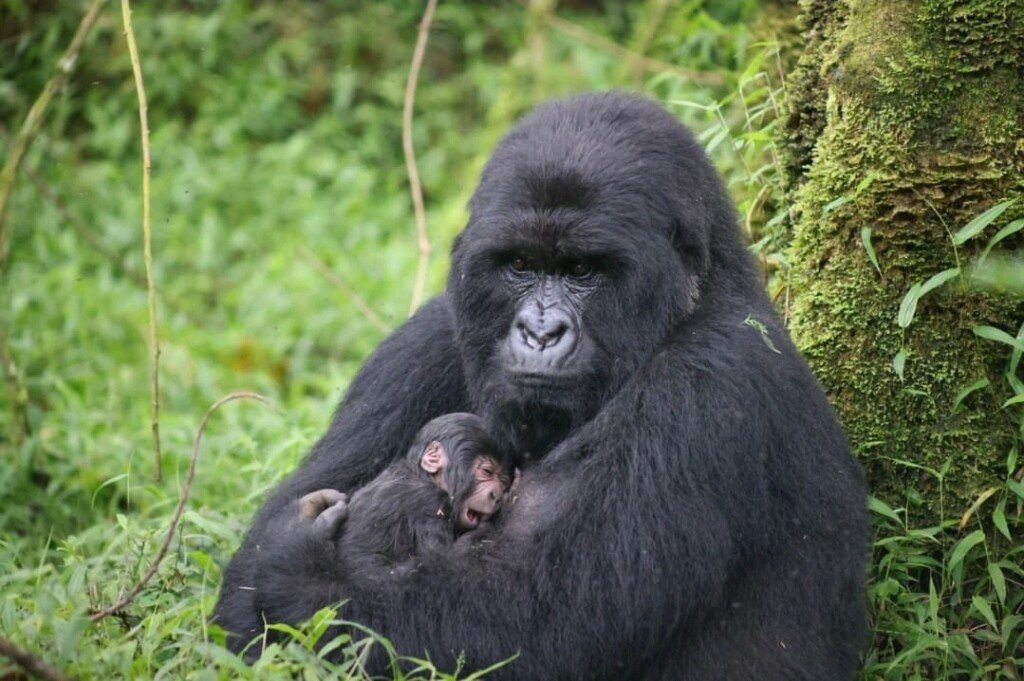
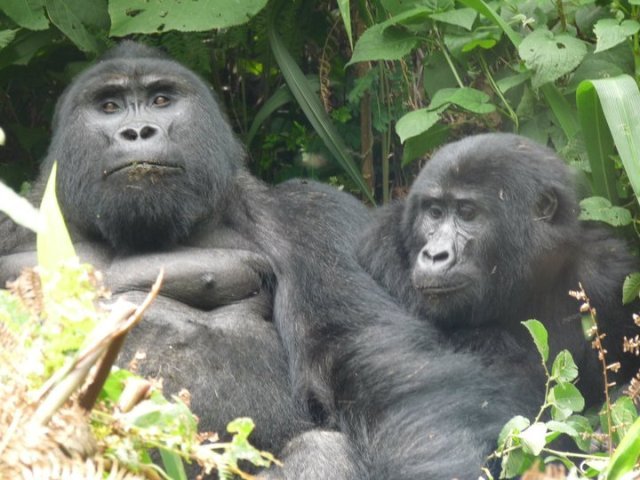
- On Gorilla Trekking Day, you step into one of Africa’s oldest rainforests: thick fern undergrowth, moss-covered roots, dripping air. The forest hushes — then you hear them: a gentle exhale, the soft rustle of leaves. A silverback emerges, calm and massive, eyes quietly curious. An hour later, you’ll leave changed.
- The forest around Bwindi is part of an ecological treasure trove: 331 km² of montane + lowland forest, home to nearly half the world’s remaining mountain gorillas, over 120 mammal species, 350+ birds (many endemic), and 200+ butterflies.
- On a second day here, choose a forest walk or a village visit — meet local artisans, learn about traditional weaving, hear local songs. Supporting community-led tourism here keeps the forest protected and livelihoods sustainable.#
Day 10–11: Lake Bunyonyi — Islands, silence, reflections
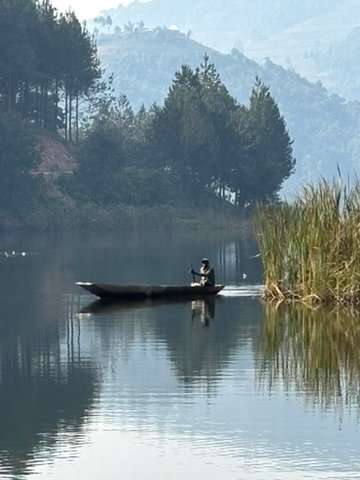
After the forest’s dense green, descend to the calm water of Lake Bunyonyi, and rest at Arcadia Cottages or Bunyonyi Safaris Resort. The lake is glass on calm days, dotted with tiny islands like green beads.
- Rent a dugout canoe at golden hour. Paddle softly — the only sound the gentle dip of oars, the occasional splash of fish or frog, reeds brushing the hull. The world seems to fold into quiet.
- Visit small villages, meet local women’s cooperatives weaving mats or making pottery. Eat fresh tilapia grilled over wood fire, cassava and avocado — simple food full of flavor and warmth.
This is the “breather” of the safari — a chance to soak in stillness, reflect, connect with people, culture and land.
Day 12–13: Murchison Falls — Where the Nile roars through rock
Time to shift gears: travel to Murchison Falls National Park, ideally via a short domestic flight for ease. Check into a lodge such as Paraa Safari Lodge (or equivalent) and prepare for the sensory power of water and wild plains.
- On a boat launch to the base of the falls, the waters of the Victoria Nile squeeze through a narrow gorge and crash 45 m down — spray rises, winds whip, and the roar vibrates through your chest. Standing close, you’ll feel the thrill of raw, ancient force.
- On the drive or boat-back trip, expect to see elephants, buffalo, kob and plenty of waterbirds. The savanna is open, wide, liberating. The contrast with Bwindi’s hush is dramatic — but each moment equally alive.
Day 14: Return to Entebbe — Farewell, For Now
On the final day, travel back to Entebbe, giving you time to bristle at city bustle, sip fresh mango juice by the waterfront, or browse a craft market for souvenirs — handwoven baskets, carved wood, simple clay pots made by local artisans. Each purchase can contribute directly to the communities you visited.
As you fly home (or onward), you carry more than photos: you carry quiet memories, soft footsteps on forest paths, the thrum of a waterfall, the calm of a lakeside canoe, the warmth of human smiles — and the knowledge that your journey helped support nature and people.
Travel Kindly: How to Leave a Positive Footprint
- Stay in community-led or locally owned lodges. The lodges in this itinerary — from Kibale’s Bweza to Lake Bunyonyi’s Arcadia — help funnel tourism income into local economies.
- Use reusable water bottles and avoid single-use plastics. Simple, yet powerful: many lodges offer refill stations or purified water.
- Respect wildlife boundaries. Always follow your guide’s instructions, keep your distance, avoid flash photography, and never disturb animals.
- Buy local, eat local. Choose crafts made by local artisans, meals cooked with local produce — you give back directly.
- Ask permission before photographing people. A respectful smile and a short conversation go much further than a snap.
FAQs — Your Questions Answered
Q1: What are “uganda safari lodges” and why choose them?
A: “Uganda safari lodges” refers to guest accommodations located inside or near Uganda’s national parks and wildlife areas. They offer immersive experiences: easy access to safaris, guided walks, cultural visits, and support conservation and community through eco-tourism.
Q2: Do I need permits for gorilla or chimp trekking?
A: Yes — for example, visiting mountain gorillas in Bwindi Impenetrable National Park requires a permit. It’s best to book well in advance as permits are limited.
Q3: Which months are best for this 14-day safari in Uganda?
A: The drier seasons — December to February, and June to September — tend to offer better weather, easier trekking, and clearer wildlife viewing.
Q4: Is internal flight necessary to complete this loop comfortably?
A: While possible by road, combining long drives, Uganda’s internal flights can save time and reduce fatigue — especially for long stretches like Murchison Falls to Bunyonyi or returning to Entebbe.
Q5: How does staying at these lodges benefit local communities and conservation?
A: Many lodges are locally owned or operated in partnership with communities. Tourism income supports community projects, employment, anti-poaching patrols, and conservation initiatives — turning your stay into meaningful support for people and wildlife.
Final Reflection
This journey through Uganda — by savanna, forest, island-strewn lake and thunderous river — shows how staying at carefully chosen Uganda safari lodges can turn travel into connection. You will see primates, wild plains, rainforests, peaceful lakes — but more importantly, meet people whose livelihoods and conservation efforts are strengthened by tourism done right.