10 Unforgettable Reasons Why an Uganda Safari Gorilla Adventure Will Change Your Life
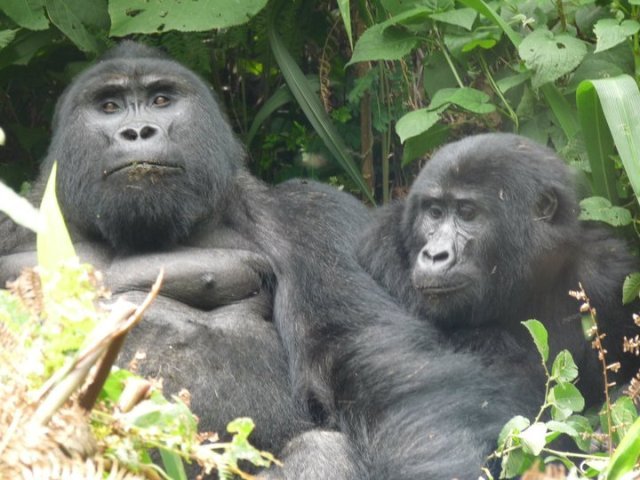
The first time I stepped into Bwindi Impenetrable Forest, the air was thick with mist and the earthy scent of rain-soaked leaves. Birds chirped high in the canopy, and the forest hummed with life. Then came the rustle—a sudden movement in the undergrowth—and there they were: a family of gorillas, calm and curious, their eyes meeting mine. My heart raced, a mix of awe, respect, and wonder. This moment is the essence of a Uganda safari gorilla adventure: a connection with wildlife that changes you forever.
Table of Contents
Whether you’re an experienced traveler or visiting Uganda for the first time, trekking gorillas is an experience that combines adventure, nature, and deep reflection. In this guide, we’ll cover everything you need to know: permits, costs, sectors in Bwindi, best seasons, travel logistics, and what it truly feels like to meet these incredible animals.
Why Uganda Is the Ultimate Destination for Gorilla Safaris
Uganda, fondly known as the “Pearl of Africa,” is one of the few places on Earth where mountain gorillas roam freely. Choosing Uganda for your gorilla safari means:
- Rich Biodiversity and Stunning Landscapes: Bwindi Impenetrable Forest and Mgahinga Gorilla National Park are UNESCO World Heritage Sites. Lush, misty forests create the perfect backdrop for unforgettable encounters.
- Ethical and Sustainable Tourism: Gorilla trekking in Uganda is regulated to ensure the welfare of the gorillas and support local communities.
- Accessible Adventure: Uganda is easy to reach from major international hubs, and you can combine gorilla trekking with safaris in Queen Elizabeth National Park or cultural experiences in local villages.
For more: Uganda Wildlife Authority
Uganda Safari Gorilla Permits – How to Get Them and Costs
A gorilla permit is your ticket to one of the most exclusive wildlife encounters in the world.
- Cost: $800 per person for foreign non-residents (2025). Discounts apply for East African residents.
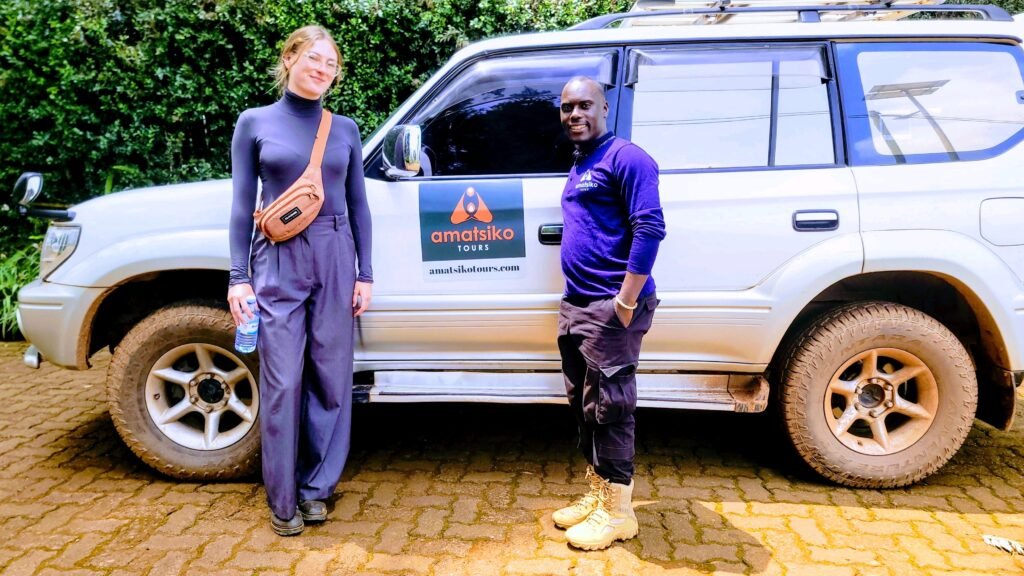
- How to Book: Through licensed operators like Amatsiko Tours or via Uganda Wildlife Authority directly.
- When to Book: At least 3–6 months in advance, especially during peak seasons (June–September, December–February).
- Important Tip: Only eight visitors are allowed per gorilla family per day, which makes early booking essential.
Gorilla permits also fund conservation and anti-poaching efforts, so your visit contributes directly to protecting these magnificent creatures.
Best Seasons for an Uganda Safari Gorilla
Timing your trip is crucial for the best experience on Uganda Safari Gorilla:
- Dry Seasons (June–September, December–February): Trails are easier to navigate, wildlife is more visible, and weather is generally sunny.
- Wet Seasons (March–May, October–November): Trails are slippery, but the forest is lush and green, and there are fewer tourists.
Each season offers a different perspective on the forest and wildlife. Many travelers prefer dry months for easier trekking and photography.
Bwindi Forest Sectors and Gorilla Families
Bwindi Impenetrable Forest is divided into four main sectors, each home to multiple habituated gorilla families:
- Buhoma Sector: Most popular; accessible and with several gorilla families.
- Rushaga Sector: Known for easier treks and playful gorilla groups.
- Nkuringo Sector: Offers moderately challenging trails and spectacular scenery.
- Ruhija Sector: Remote and serene, fewer tourists, excellent for a private experience.
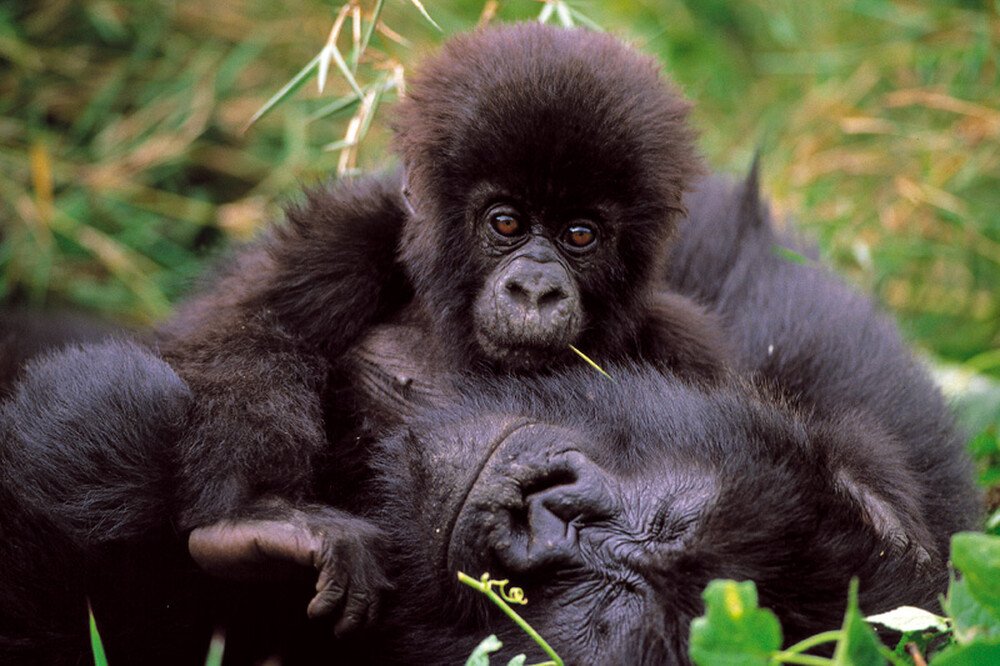
Each gorilla family has its own personality—silverbacks exude authority, mothers are gentle and protective, juveniles are playful. Guides assign groups strategically to minimize human impact.

How to Get to Bwindi Forest
- By Road from Entebbe: 8–10 hours drive; expect scenic views and rolling hills.
- By Air: Domestic flights to Kisoro or Kihihi reduce travel time significantly.
- Accommodation Options: Luxury lodges, mid-range lodges, and community-run guesthouses near each sector.
Internal Link: Amatsiko Tours Uganda safari itineraries
What the Gorilla Trekking Experience Feels Like
Trekking gorillas is as much a mental and emotional journey as it is a physical one.
- The Trek: Trails wind through dense, misty forests. You may navigate muddy paths, climb gentle slopes, and pause to observe forest life.
- Finding Gorillas: Trackers silently guide you to the gorilla family. The first glimpse is often sudden—one moment you’re walking in the forest, the next, a silverback emerges.
- The Encounter: Spending one hour with gorillas is magical. Mothers with babies, juveniles playing, and the calm authority of silverbacks leave visitors awestruck.
- Emotional Impact: Many visitors feel a mix of awe, humility, and deep connection. Some describe the moment as life-changing, a memory etched forever in the heart.
Image Alt Text: “Uganda safari gorilla encounter in Bwindi Forest”
Other Wildlife and Experiences Near Bwindi
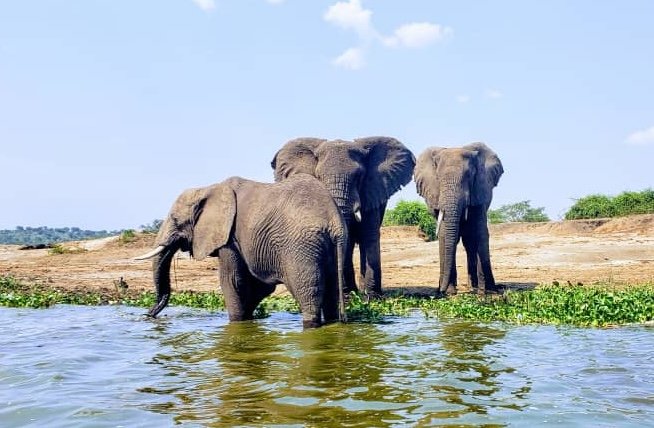
While gorillas are the star, Uganda offers other unforgettable experiences:
- Chimpanzee Trekking in Kibale National Park
- Game Drives and Boat Cruises in Queen Elizabeth National Park
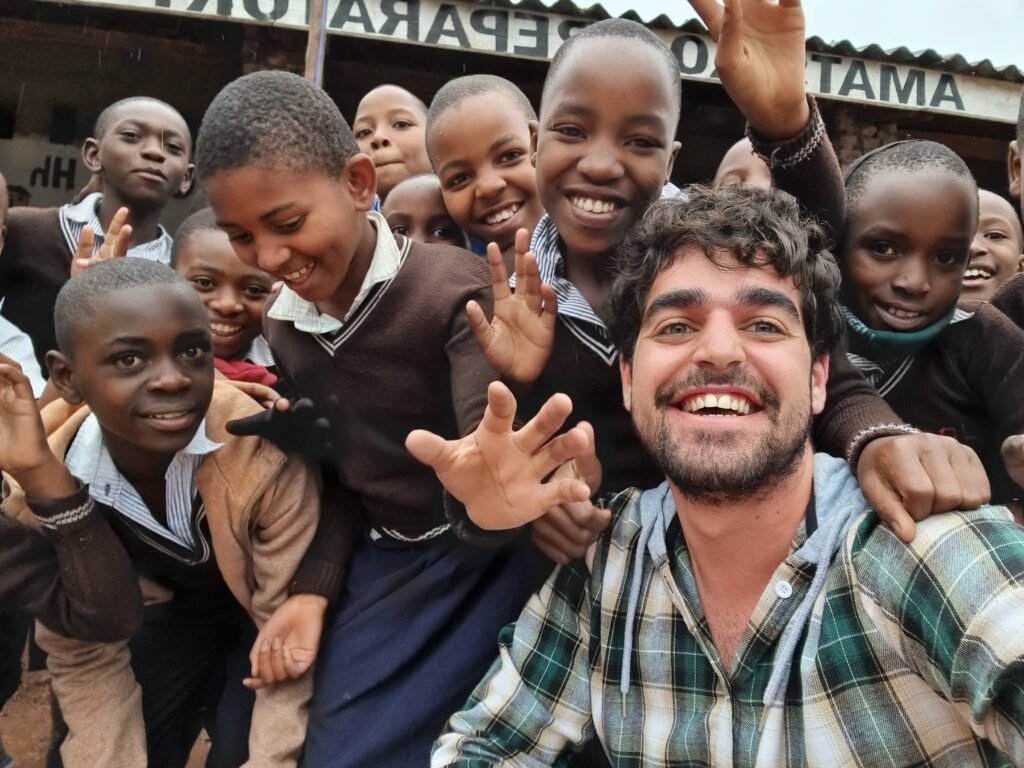
- Cultural Visits to Local Villages
- Scenic Excursions to Lake Bunyonyi
For more, visit: Amatsiko Tours community initiatives
Sustainable Tourism and Community Benefits
Gorilla tourism supports:
- Conservation programs to protect gorillas and their habitats
- Anti-poaching and forest preservation initiatives
- Local communities through guides, porters, and eco-tourism income
Choosing responsible tour operators ensures a minimal ecological footprint and positive impact for communities
Tips for a Successful Uganda Safari Gorilla Adventure
- Wear layered clothing and waterproof hiking boots
- Carry water, snacks, and a camera (no flash)
- Start trekking early for optimal wildlife encounters
- Respect the gorillas and follow all guide instructions

Frequently Asked Questions About Uganda Safari Gorilla
Q1: How physically demanding is gorilla trekking?
A: Moderate to challenging. Trails may be muddy or steep, but guides ensure safety.
Q2: How long does a trek last?
A: Usually 2–6 hours; one hour is spent observing gorillas.
Q3: Do I need a permit?
A: Yes, mandatory. Book at least 3–6 months in advance due to limited availability.
Q4: What should I bring?
A: Hiking boots, long sleeves, rain gear, gloves, water, snacks, camera (no flash).
Q5: Are treks suitable for children or elderly travelers?
A: Some sectors have shorter, easier treks, but mobility-limited travelers may require alternatives
Conclusion
An Uganda safari gorilla adventure is more than a wildlife trip—it’s an unforgettable journey into nature, emotion, and awe. From misty morning treks to your first eye contact with a silverback, every moment is transformative. Plan your adventure with Amatsiko Tours and experience one of the world’s most extraordinary wildlife encounters.