
Is Gorilla Trekking Ethical Uganda? 7 Powerful Truths Behind the Experience in Uganda
Is gorilla trekking ethical Uganda? This is one of the most important questions high-value travelers ask before booking a safari in East Africa.
Table of Contents
And honestly; it should be asked.
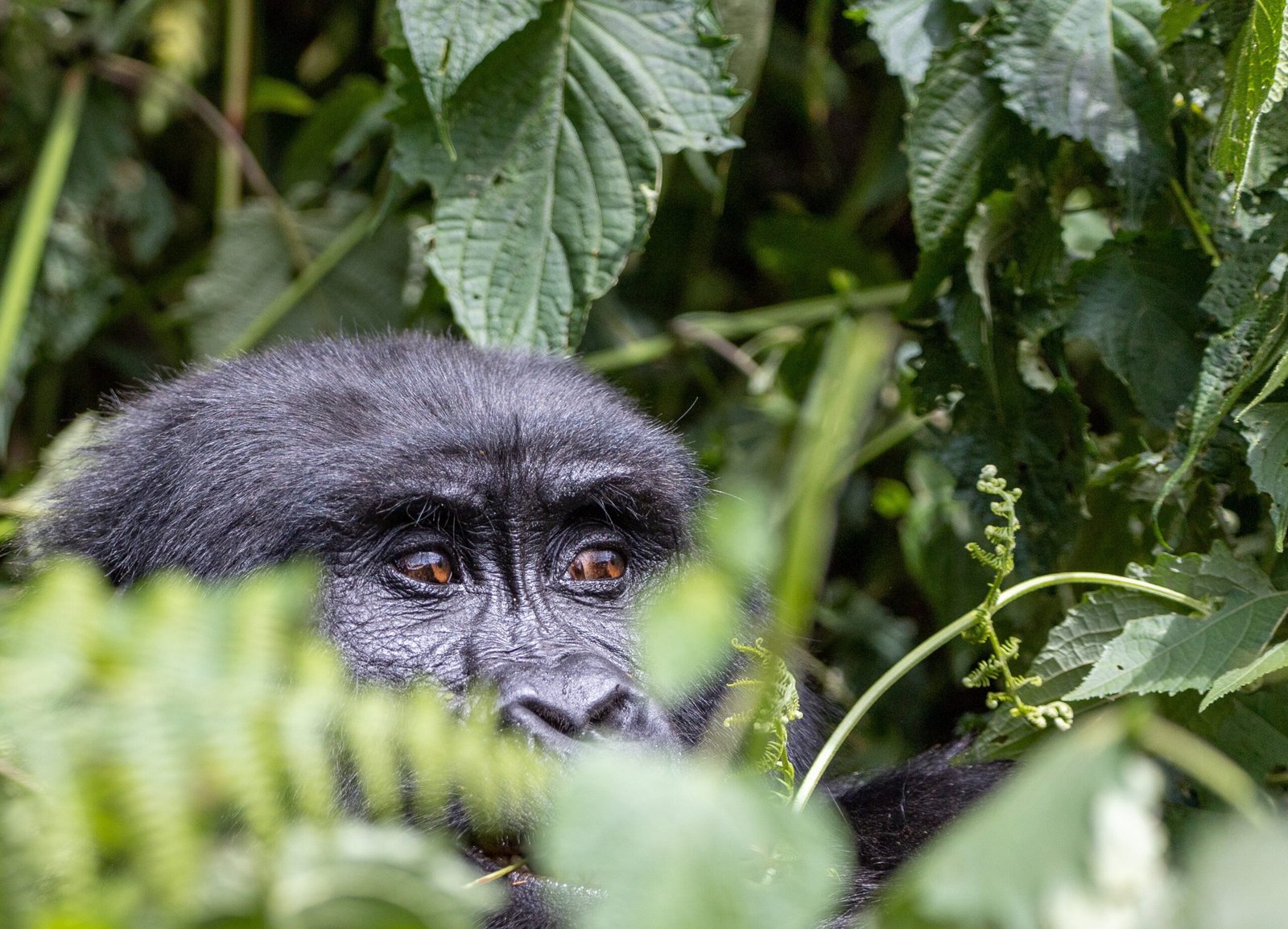
Because standing just a few meters away from a wild mountain gorilla in the misty forests of Uganda is not just a tour… it is a privilege. A deeply emotional, once-in-a-lifetime moment inside the ancient rainforests of Bwindi Impenetrable National Park and Mgahinga Gorilla National Park.
But behind that magical experience lies a system built on permits, conservation science, strict regulations, and community involvement.
In this article, we uncover the truth, not marketing, not assumptions about whether gorilla trekking is truly ethical in Uganda.
And most importantly, how your visit can actively support conservation and local communities.
Quick Overview — What Makes Gorilla Trekking “Ethical”?
- Strictly regulated permits managed by Uganda Wildlife Authority
- Direct funding for gorilla conservation and anti-poaching efforts
- Controlled visitor numbers to reduce habitat disturbance
- Revenue sharing with local communities
- Professional ranger-guided trekking only
- Veterinary and gorilla health monitoring programs
- Community employment in tourism supply chains
Permit System — Why It Costs So Much (and Why It Matters)
One of the biggest misconceptions is that gorilla trekking is “expensive for no reason.”
But in reality, the permit system is the backbone of conservation.
A gorilla trekking permit in Uganda typically costs hundreds of dollars per person per trek. That money is not random income , it is carefully distributed across:
- National park protection
- Ranger salaries
- Anti-poaching patrols
- Veterinary gorilla care
- Community development funds
When you ask is gorilla trekking ethical Uganda, the permit system is one of the strongest arguments in favor of YES — if done responsibly.
Because without this funding structure, wild gorillas would be far more vulnerable to habitat loss and illegal hunting.
Conservation Impact — The Real Success Story
The biggest conservation success story in Uganda is simple:
👉 Mountain gorillas are increasing in population.
This is extremely rare in global wildlife conservation.
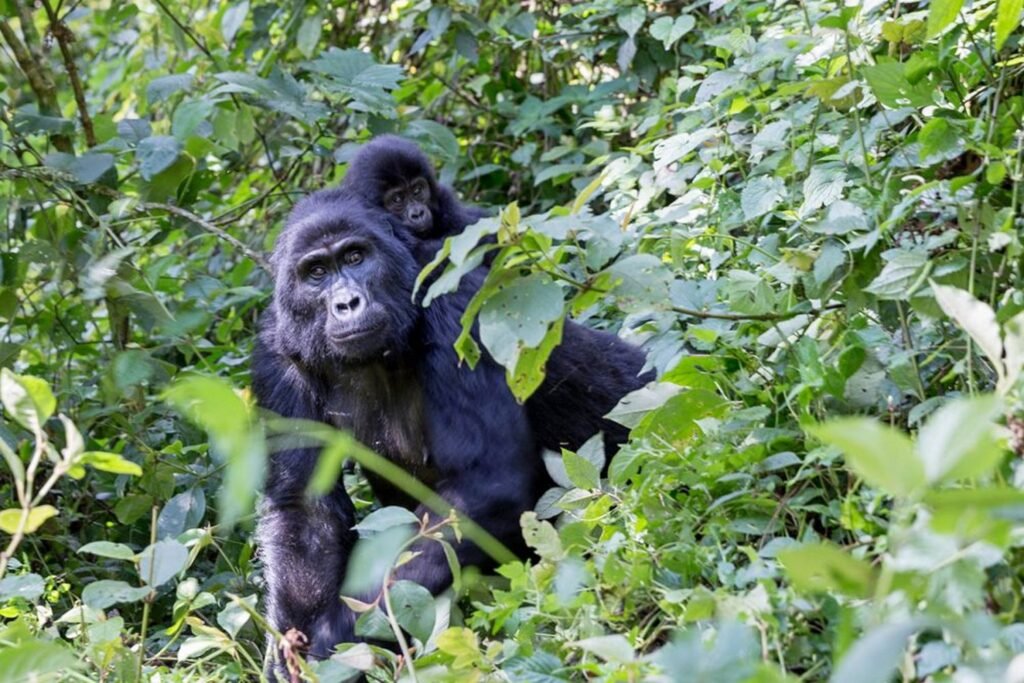
Inside parks like Bwindi, strict visitor limits ensure that only a small number of groups visit gorilla families each day. Treks are controlled, timed, and carefully monitored by rangers.
Every group is accompanied by trained guides who ensure:
- Minimum distance is respected
- No direct interaction occurs
- Time spent with gorillas is limited
- Human health safety protocols are followed
This system helps protect one of the rarest primates on Earth.
So when evaluating is gorilla trekking ethical Uganda, conservation data strongly supports that it is one of Africa’s best-managed wildlife experiences.
Community Benefits — Tourism That Changes Lives
Ethical tourism is not just about animals, it is about people too.
In Uganda, gorilla tourism has transformed rural communities around Bwindi and Mgahinga.
Through revenue-sharing programs, local communities receive funding for:
- Schools and education programs
- Healthcare facilities
- Clean water access
- Local road development
- Small business opportunities
Many former hunters and loggers now work as:
- Rangers
- Porters
- Guides
- Lodge staff
- Cultural experience hosts
This shift is powerful.
Instead of exploiting forests for survival, communities now protect them because they directly benefit from conservation tourism.
This is a key reason why the answer to is gorilla trekking ethical Uganda is often yes because it links wildlife protection with human wellbeing.
What Happens on a Gorilla Trek?
A typical trek begins early in the morning with a briefing at the park headquarters.
Visitors are assigned to a specific gorilla family group, and then guided into the forest by expert rangers.
The journey can take anywhere from 30 minutes to several hours depending on gorilla movements.
When you finally find them, everything slows down.
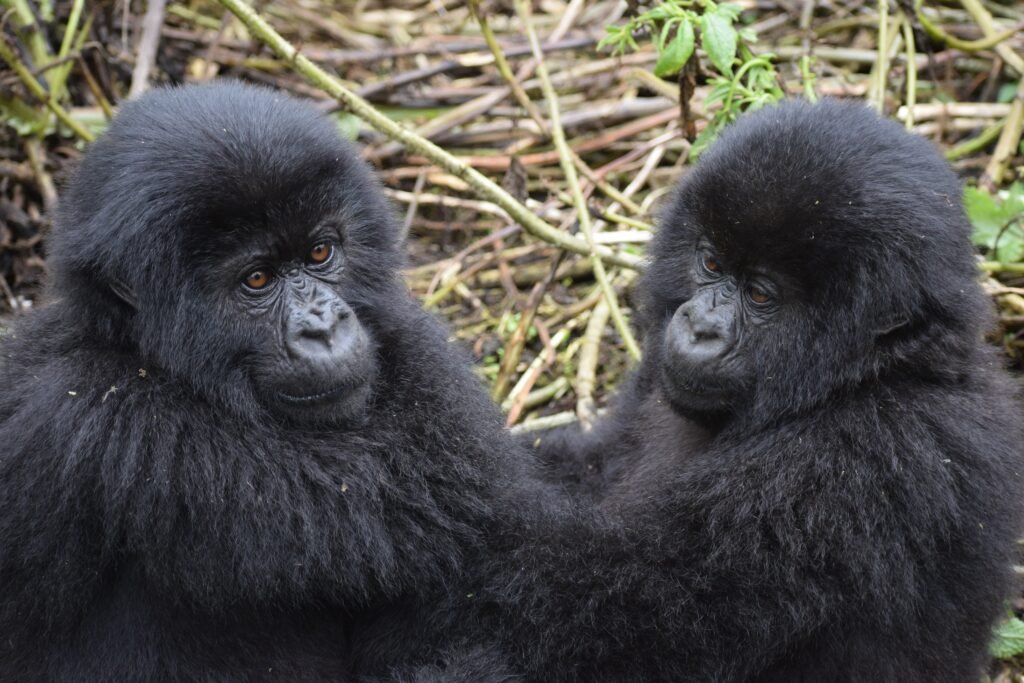
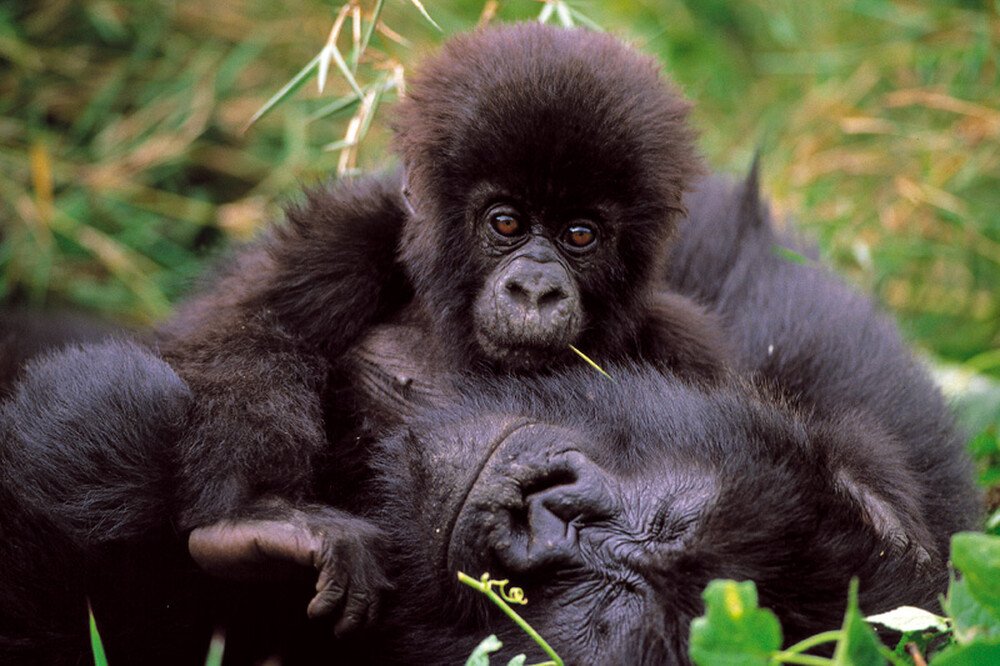
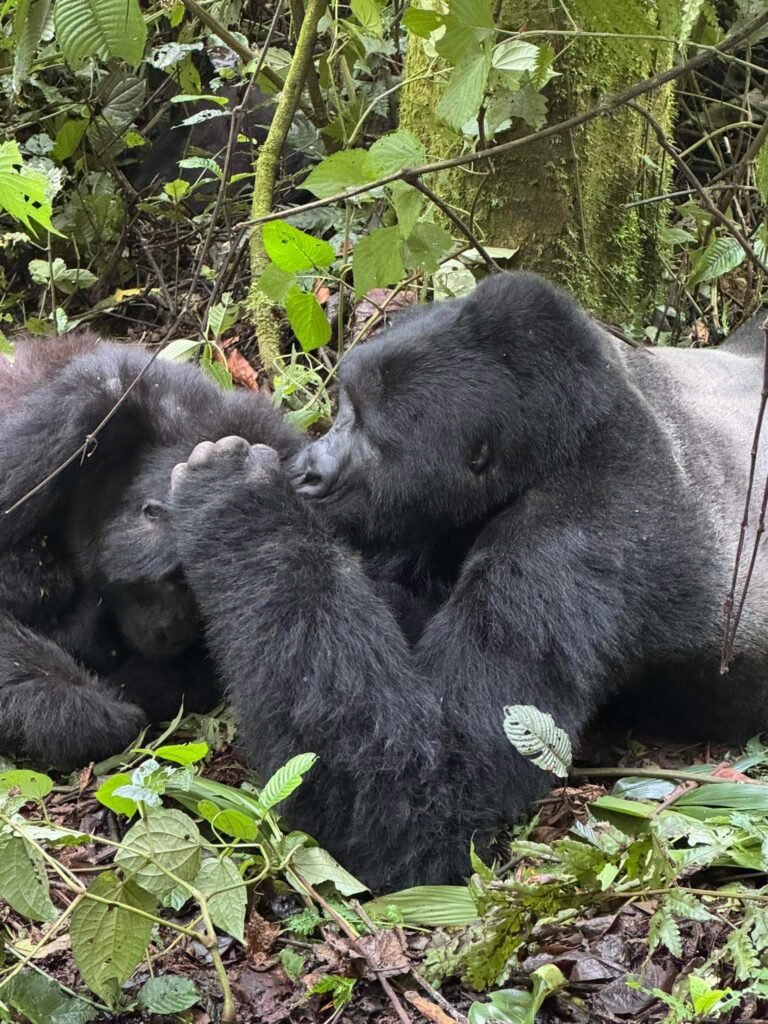
You hear leaves rustling. You feel the humidity of the forest. You see a silverback resting quietly while juveniles play nearby.
For one precious hour, you observe them in silence.
No feeding. No touching. Just respectful presence.
This moment is carefully regulated to ensure the question is gorilla trekking ethical Uganda continues to be answered with strong conservation standards.
The Ethical Debate — Is There a Downside?
Even though Uganda’s system is highly regulated, ethical concerns still exist:
1. Habituation Risk
Gorillas are habituated to human presence. While necessary for tourism, it slightly alters natural behavior.
2. Human Disease Risk
Strict health rules exist because gorillas share genetic similarities with humans.
3. Tourism Pressure
Increasing demand must be balanced with strict visitor limits.
However, Uganda manages these risks through:
- Strict group size limits
- Mandatory distancing rules
- Health screening protocols
- Controlled trekking zones
So while the debate continues, Uganda is widely considered one of the most responsible gorilla trekking destinations globally.
Responsible Travel Tips — Travel Kindly, Trek Responsibly
If you want your trip to truly support ethics and sustainability:
1. Hire local guides and porters
They depend directly on tourism income.
2. Avoid littering or plastic waste
Bring reusable bottles and bags.
3. Respect gorilla viewing rules
Distance and silence are essential.
4. Choose eco-certified lodges
Stay in accommodations that support conservation.
5. Support community crafts
Buy souvenirs directly from local artisans.
These small actions strengthen the positive answer to is gorilla trekking ethical Uganda.
Final Verdict — So, Is It Ethical?
Yes; but only when done responsibly.
Uganda has created one of the most successful wildlife conservation models in the world by combining:
- Strict regulation
- Community empowerment
- Conservation funding
- Controlled tourism
When you participate in gorilla trekking, you are not just a visitor.
You are part of a system that protects one of the rarest species on Earth.
FAQs About -is gorilla trekking ethical Uganda
1. Is gorilla trekking ethical Uganda really?
Yes, when done through regulated permits and guided tours, it supports conservation and local communities.
2. How does Uganda protect mountain gorillas?
Through strict regulation by Uganda Wildlife Authority, controlled tourism, and anti-poaching patrols.
3. Do local communities benefit from gorilla trekking?
Yes, revenue-sharing programs fund schools, healthcare, and local jobs.
4. Are gorillas disturbed by tourists?
Minimal disturbance occurs due to strict limits, distance rules, and one-hour viewing restrictions.
5. Why are gorilla trekking permits expensive?
Because the funds directly support conservation, ranger salaries, and community development.
Final Reflection
Every step into the misty forests of Uganda is a reminder that tourism can either harm or heal and here, when done right, it heals deeply.
If you visit, go slowly, listen carefully, and remember that your presence matters more than you think.
I’d love to hear your story when you experience it.
Ready to experience gorilla trekking the ethical way in Uganda?
Plan your journey responsibly and explore our curated Uganda safari guides and itineraries today.

Thank you!