Cost of Gorilla Trekking in Uganda: Sample Budgets That Work
Table of Contents
At a Glance
Gorilla trekking Uganda cost are influenced by permits, lodging, and trip length.
Key planning involves aligning permit dates with lodging in Bwindi Impenetrable National Park.
Sample budgets vary based on trip length and comfort level, impacting overall costs.
Efficient routing and timing buffer nights can reduce unnecessary expenses.
Visa and border planning are critical for minimizing delays and additional costs.

You feel the forest first: damp air, earthy scent, and the soft crush of leaves under your boots. The cost of gorilla trekking in Uganda becomes easier to plan once you separate the fixed items (permits and park logistics) from the flexible ones (transport, lodging level, and trip length).
This guide gives you sample budget frameworks you can actually use, plus the planning decisions that move your total up or down without changing the core experience.
Cost drivers behind Uganda gorilla trekking costs
Uganda’s gorilla treks run on strict schedules and date-specific access, so your budget is shaped by what you must lock in early and what you can adjust later. You’ll plan best by treating permits, routing, and nights on the road as the three levers that control the final number. Expect cool, wet air in the forest and dusty roads outside it—both affect what you pack and how you move.
The fixed anchor is your Uganda gorilla permits plan. Permits are date-specific, and your whole routing should orbit that date.
The second driver is where you trek. Bwindi Impenetrable National Park has multiple sectors, and your lodge location relative to your assigned briefing point affects drive time, wake-up time, and how relaxed you feel the morning of the trek. Put simply: book lodging that matches your sector, not a pin on a map.
The third driver is trip design. A tight 3–4 day circuit concentrates transport into fewer days. A 7–10 day circuit spreads it out and adds wildlife parks, which changes vehicle days, guide time, and nights.
A practical rule we use: protect your permit date first, then build the rest of the trip around the smoothest transfers.
Wow where to begin with this experience! First, let’s say we were easily the most difficult clients they must have had, throwing them curve balls left and right. From missed flights, to missing baggage, to itinerary changes, plus the added challenge of us working on a film project while with them, Alex and Alfonse made us feel calm and easy in what otherwise would have been a very stressful situation. Even my phone broke while on the trip, and these guys kept me from having a panic attack while they got my phone repaired. But let’s talk about the tours- with these guys, you’re going to get the REAL REAL of Uganda. If you’d like to be surrounded by other tourists, this is not the company for you. Off the beaten path, we saw Uganda like no others do, yet we were happy and comfortable the whole time. Incredible experiences like gorilla tracking were even better because they gave us the best advice on how to prepare.
— Sophie Schneeberger, Google, 5.00
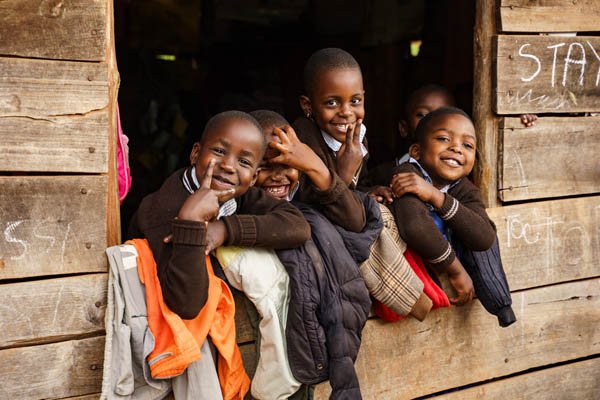
We had an incredible experience with Amatsiko Tours and would choose them again without hesitation!! We were three American travelers on a custom 2-day safari through Queen Elizabeth National Park and from the start it was clear how special this company is. Their mission is truly beautiful- knowing that all of their profits go back to supporting the school they founded makes traveling with them even more meaningful.
— Hiren Patel, Google, 5.00
Our experience with Amatsiko Tours was nothing short of extraordinary! My kids and I had the opportunity to volunteer and travel in Uganda, and we were deeply touched by the kindness and warmth of the Amatsiko team. From the moment we arrived, we felt incredibly welcomed and cared for.
— Maya Gordon, Google, 5.00
Sample budgets built around the cost of gorilla trekking in Uganda
These sample budgets are designed for real planning: they separate your permit day, your travel days, and your comfort level. Use them as templates, then adjust the variables you control—nights, routing, and lodge tier—without touching the essentials. You’ll still hear the same forest sounds: distant bird calls, bootsteps in mud, and quiet guide signals.
Budget framework table for common trip lengths
Trip framework | Gorilla focus | Typical routing logic | Main cost levers |
|---|---|---|---|
3–4 days primates-only | 1 gorilla trek day | Entebbe → southwestern Uganda → Entebbe | Fewer nights, more driving density, lodge tier |
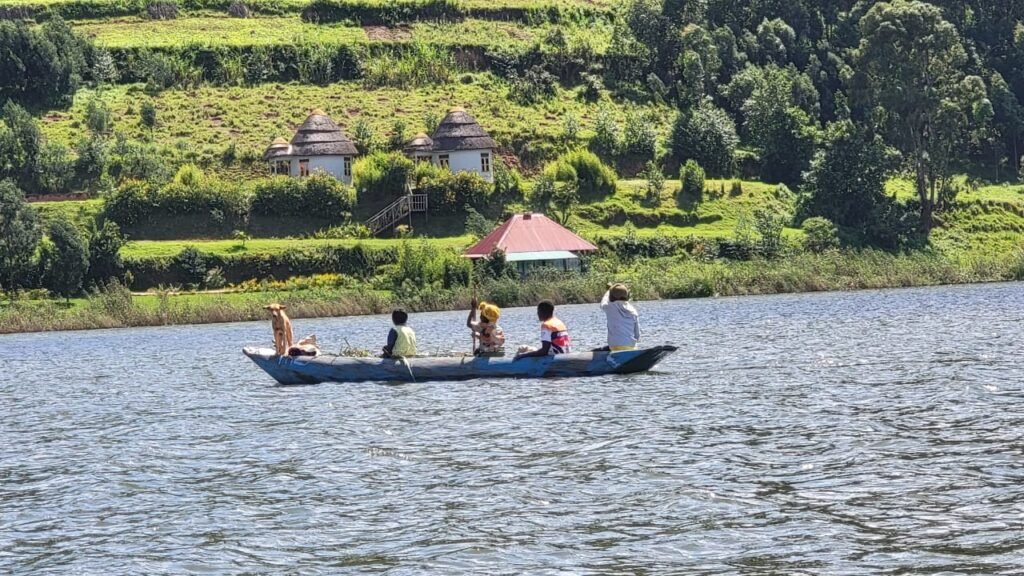
7 days primates + lake reset | 1 gorilla trek day + downtime | Entebbe → Bwindi area → Lake Bunyonyi → Entebbe | Added nights, slower pace, lodge location |
10 days primates + wildlife | Gorilla trek + multiple parks | Entebbe → multiple national parks → Bwindi area → Entebbe | More vehicle days, more park logistics, lodge mix |
Cross-border circuit | Gorilla trek anchored from Kigali or Entebbe | Kigali → Bwindi area → onward Uganda parks → Entebbe | Visa strategy, border timing, routing efficiency |
Your best “budget win” is boring and powerful: reduce unnecessary backtracking. One extra long transfer day can cost you more than upgrading one night of lodging.
For trip ideas that match these frameworks, start with our pillar collection of Uganda tours and safaris.
Uganda gorilla permits and habituation permits Uganda in a real plan
Permits define the spine of your itinerary because they are date-specific and tied to early briefings. Your best financial move is to treat permits like flights: lock the date, then build the trip that protects it with buffer time. The forest is cool and humid, and that early start feels better after a calm night close to your briefing point.
Uganda gorilla permits planning gets practical fast:
Match your lodge to your assigned sector so you avoid a pre-dawn road scramble.
Arrive in the area the day before your trek. Same-day arrivals leave no margin if roads are slow.
Keep your passport name and number consistent across visa, flights, and permit paperwork.
Habituation permits Uganda planning changes the shape of your budget because it’s a different permit type with a different time commitment on the day. You don’t “add it on” casually. You build around it.
A detail many travelers miss: once your permit date is set, your routing should minimize late arrivals into the Bwindi Impenetrable National Park region. That one decision protects sleep, reduces stress, and prevents last-minute transport changes.
Gorilla trekking financial planning for visas and border timing
Entry clearance affects your schedule, and schedule affects cost. Your smartest move is to choose the visa path that reduces uncertainty for your specific routing—especially if you’re crossing borders. You’ll feel the difference on arrival: less time in queues, more time getting settled, and a calmer evening before an early briefing.
Uganda entry clearance is typically handled through:
Uganda e-Visa (applied online before travel)
Visa on arrival (availability can vary by nationality and directives; confirm close to travel)
East Africa Tourist Visa (Uganda + Rwanda + Kenya) for qualifying nationalities and itineraries
Cross-border routing has a real budget impact because delays can trigger extra nights, vehicle waiting time, or missed connections. If you’re entering via Kigali for a southwestern Uganda route, plan your documentation bundle as if phone signal fails at the border. Printed copies. Clean folder. Fast handover.
For the operational checklist we use with guests, see travel advice for visitors to Uganda and keep it with your trip documents.
What costs are involved in gorilla trekking Uganda beyond the permit
Your permit is only one line in your total. A strong plan accounts for the costs that show up after you’ve “already bought the permit,” especially in the days around the trek. Expect wet vegetation brushing your sleeves, muddy boots, and a real appetite afterward—small realities that drive practical spend.
Here are the cost categories you should account for in your own worksheet:
Transport days (vehicle, driver-guide time, fuel, routing efficiency)
Lodging nights (location relative to the trekking sector matters as much as comfort level)
Meals and water on the road (long drives make this non-negotiable)
Gear basics you’ll actually use (rain layer, gloves, dry bag for electronics)
Optional support on trek day (porters where available, tips where customary)
Admin items tied to travel readiness (printing, document copies, contingency cash)
The insider move: budget a “timing buffer” night near your trek location. That buffer often costs less than fixing a late arrival.
If you want a dedicated breakdown focused on this topic, use our deep guide on gorilla trekking cost in Uganda as your planning companion.

Transport is the silent budget-maker. A longer itinerary with smarter routing can cost less than a shorter itinerary with inefficient transfers.
Bwindi Impenetrable National Park routing that protects your budget
Your route to Bwindi Impenetrable National Park determines how many paid travel hours you stack around your permit day. The goal is simple: arrive early enough to sleep, wake up steady, and reach the briefing point without rushing. You’ll hear more than you see at dawn—birds, distant voices, and the quiet clink of gear.
Two practical routing rules:
Keep your pre-trek night close to your assigned sector. “Close” beats “nice” if you must choose.
Avoid late arrivals the day before trekking. Road delays compound fast in the southwest.
Gorilla trekking cost comparison Uganda vs Rwanda as a planning lens
This comparison matters most for routing logic, not for arguing a winner. If your trip already includes Kigali or a multi-country circuit, the visa and border plan becomes part of your cost model. If your trip is Uganda-only, a clean Entebbe in → Entebbe out plan usually keeps logistics simpler.
Use the visa strategy that matches your itinerary structure:
Uganda-only circuits: plan for Uganda tourist visa workflow and consistent documentation.
Uganda–Rwanda–Kenya circuits: evaluate the East Africa Tourist Visa if eligible and if your route truly uses it.
For visa application support, keep this resource handy: how to apply for a Uganda visa.
Uganda gorilla trekking packages and how to book permits cleanly
A good package structure reduces decision fatigue and protects your trek date. You’re paying for coordination: permit handling, routing, timing, and local support that keeps the day calm. That calm matters when the forest is wet, the trail is slick, and you need your focus on footing and instructions.
Uganda gorilla trekking packages work best when they clearly state:
Your trek date and the park area tied to it
Your lodge location relative to the briefing point
Your transfer plan into and out of the trekking region
Your documentation bundle for entry and travel days
How to book gorilla trekking permits in Uganda becomes straightforward once you commit to dates. Date certainty first. Then lodging. Then the rest.
If you want a practical field guide to align permits, timing, and packing, use 7 Essential Tips for a Gorilla Trek Uganda Adventure.
Gorilla trekking in Uganda reviews and expectation-setting that saves money
The most expensive mistake is paying to be uncomfortable. Reviews are useful when you read them as expectation data: trail conditions, start times, drive fatigue, and how the day feels physically. You’ll sweat on climbs, feel humidity under your rain jacket, and appreciate any choice that reduces friction.
Use gorilla trekking in Uganda reviews to validate specifics you can plan for:
Early briefings and early departures
Mud, rain, and wet vegetation even outside peak rainy moments
The value of gloves for grabbing vines and branches
The payoff of staying close to your sector the night before
A hyper-specific choice that improves your day: pack your trek-day bag the night before and keep it accessible. You don’t want to repack in the dark while everyone else is already moving.
Decision cues for is gorilla trekking in Uganda worth the cost
This decision becomes clear when you connect cost to what you’re protecting: a date-specific permit, a tightly timed morning, and a limited-access wildlife encounter that depends on calm behavior and good logistics. You’ll remember the soundscape—forest insects, low guide voices, your own breathing—more than any line item.
Use these cues to decide quickly and plan confidently:
You want a permit date you can protect with buffer time.
You prefer a route designed around rest before trekking, not rushed transfers.
You value a plan that keeps documentation, entry, and park timing aligned.
You want support that reduces last-minute changes.
That’s the point of disciplined budgeting. Not cheaper. Cleaner.
Key takeaways for the cost of gorilla trekking in Uganda
The cost of gorilla trekking in Uganda is easiest to control when you plan around date-specific permits, sector-matched lodging near Bwindi Impenetrable National Park, and routing that avoids backtracking. Build your budget in layers: permits first, then transport days, then lodging tier. Treat visas and border timing as schedule protection, especially on cross-border circuits. Your best savings usually come from one calm buffer night and a documentation bundle that prevents delays.
Frequently Asked Questions
1. What are the main cost drivers for gorilla trekking in Uganda?
The primary cost drivers include the Uganda gorilla permits, your choice of trekking location within Bwindi Impenetrable National Park, and the overall design of your trip. These elements influence your plan due to their fixed nature, requiring early bookings and specific logistics. The cost is further affected by transport, lodging, and the duration of the trip.
2. How should I plan my lodging for a gorilla trek?
Your lodge selection should align with your assigned sector within Bwindi Impenetrable National Park to minimize travel time on the morning of your trek. Prioritize accommodations close to your briefing point to avoid rushed mornings and ensure a calm start to your trek day.
3. What additional costs should I consider beyond the gorilla permit?
Beyond the permit, consider costs such as transport, lodging, meals, and necessary gear like rain layers and gloves. Additionally, budget for optional expenses such as porters and tips. It’s also wise to set aside funds for unforeseen expenses like road delays or late arrival accommodations.
4. How can I minimize costs while planning my gorilla trekking itinerary?
To control costs, focus on efficient routing that reduces unnecessary travel time and expenses. Protect your permit date with a buffer night near the trek location, choose visa options that streamline entry and exit processes, and eliminate backtracking in your travel schedule.
5. What are the benefits of booking a gorilla trekking package in Uganda?
A well-structured package simplifies logistics by coordinating permits, accommodation, and transport, ensuring a seamless experience. This approach minimizes stress and allows you to focus on the trekking experience without last-minute changes or logistical hurdles.
6. How do I book gorilla trekking permits in Uganda?
Booking permits involves securing your trek dates early and planning your itinerary around these fixed dates. Begin with permit availability, then arrange lodging, transport, and other travel details. For a detailed guide, refer to our resource on 7 Essential Tips for a Gorilla Trek Uganda Adventure.
7. What should I consider if my trek involves multiple countries?
If your itinerary includes multiple countries like Rwanda and Uganda, plan your visa strategy accordingly. Consider the East Africa Tourist Visa if it suits your route. Ensure you have all necessary documentation ready to avoid delays at borders, especially if starting your trek from Kigali.
8. Is gorilla trekking in Uganda worth the cost?
Gorilla trekking offers a unique wildlife encounter that is highly regulated and requires careful planning to ensure a seamless experience. The cost reflects the exclusivity and logistics involved in providing this opportunity, making it a valuable investment for those seeking an unforgettable adventure.