10 Unforgettable Days of East Africa Tours and Safaris: A Heart-Opening Journey Through Rwanda & Uganda
East Africa Tours and Safaris begin long before you see your first volcano or hear your first gorilla rustle in the forest. They begin right here — with the soft hum of Kigali waking up under a lavender sunrise.
Table of Contents
The city feels gentle in the morning. Moto taxis glide through clean streets, women in bright kitenge fabrics laugh as they open fruit stalls, and the scent of roasted Rwandan coffee drifts into the cool air. This 10-day journey invites you to step into a region where landscapes whisper ancient stories, where every encounter feels personal, and where responsible travel is not an obligation but a joy — a way of saying thank you to the communities and ecosystems that welcome you.
Let’s begin…
Quick Overview — Your 10-Day East Africa Tours and Safaris Itinerary
- Day 1: Arrive in Kigali + Sunset Stroll
- Day 2: Kigali Genocide Memorial & City History
- Day 3: Drive to Volcanoes National Park + Community Visit (Iby’Iwacu)
- Day 4: Gorilla Trekking in Volcanoes NP
- Day 5: Cross into Uganda → Lake Mutanda
- Day 6: Bwindi Community Experience (Batwa)
- Day 7: Gorilla Trekking in Bwindi
- Day 8: Queen Elizabeth National Park Safari
- Day 9: Kazinga Channel Boat Safari + Local Women’s Project
- Day 10: Return to Kigali / Departure
Day-by-Day Storytelling Itinerary
Day 1 — Welcome to Kigali: The Soft Beginning of Your East Africa Tours and Safaris Adventure
Kigali greets you with warm breezes and a calm rhythm that instantly eases the spirit. As you ride from the airport, the hills roll into the distance like soft waves, their slopes dotted with terracotta roofs.
Take a slow sunset stroll in the peaceful neighborhood of Kimihurura. You’ll hear music drifting from cafés, smell grilled brochettes sizzling, and maybe stop for a cold local beer. Tonight is all about settling in, grounding yourself, and opening your senses for the days ahead.

Day 2 — Kigali’s Living History: Stories That Stay With You
Walking through the Kigali Genocide Memorial is a deeply grounding experience. The air feels still, respectful. Guides — some survivors themselves — speak gently but powerfully, reminding you that remembrance and unity are deeply woven into modern Rwanda.
Afterward, wander through Nyamirambo, Kigali’s most vibrant district. Here, children wave at you from alleys lined with colorful murals. Join a community-guided walking tour to meet seamstresses, barbers, shopkeepers — ordinary people whose stories shine with resilience.
Traveling sustainably isn’t just about nature. It’s also about honoring culture, supporting community storytellers, and letting yourself be changed.

Day 3 — Into the Volcanoes: Community Encounters in Musanze
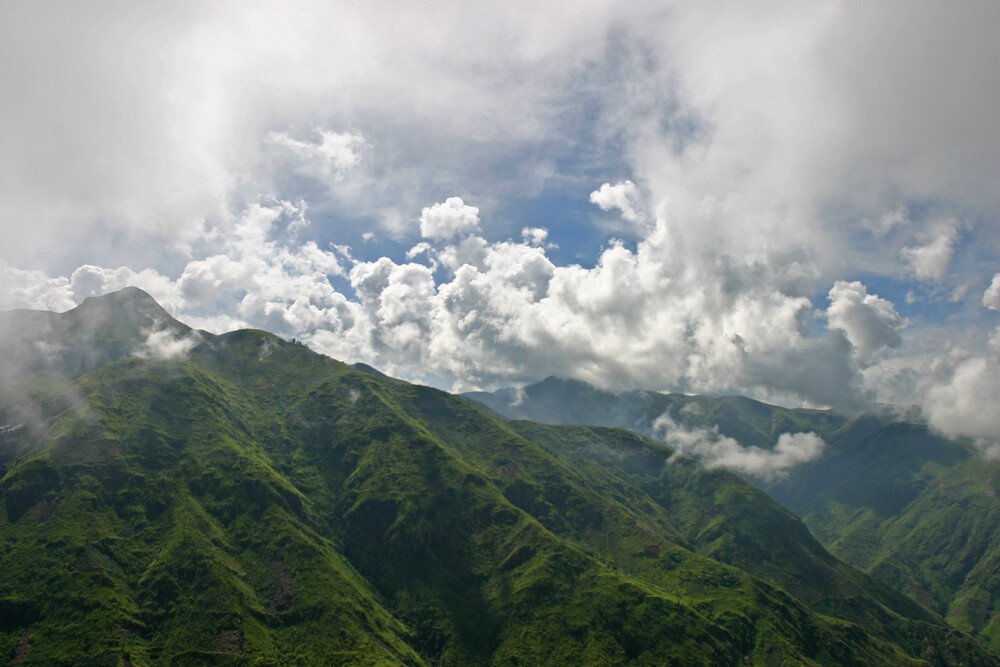
A two-hour drive leads you through patchwork farmlands to Volcanoes National Park, where mist curls around the ancient Virunga volcano chain.
In the afternoon, visit the Iby’Iwacu Cultural Village, one of the region’s most respected community tourism projects. Drums echo as you arrive. Former poachers, now guardians of conservation, demonstrate traditional dances and invite you to learn about herbal medicine, banana beer, and handmade crafts.
Your presence supports livelihoods — and you’ll feel the warmth of that exchange.
Day 4 — Gorilla Trekking in Volcanoes National Park
Today is one of the great moments of East Africa Tours and Safaris.
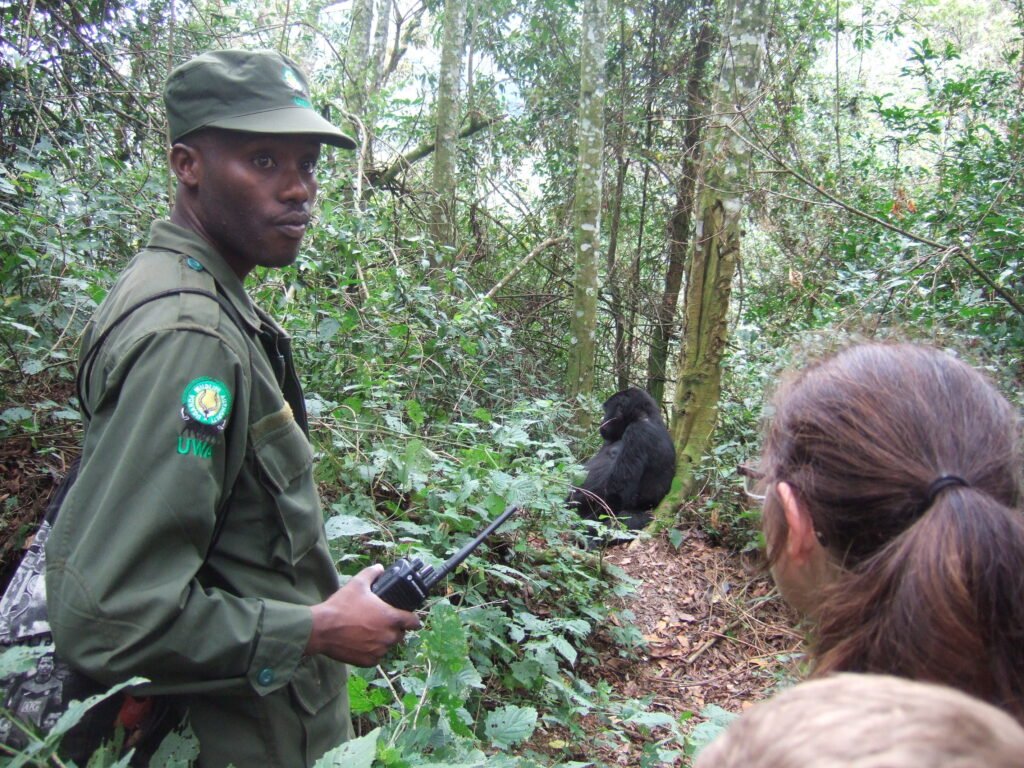
You hike through bamboo forests while golden light filters through the trees. Porters and guides — many from local communities — keep you steady on slippery paths. The forest feels alive: birds calling, leaves whispering, distant gorilla rumblings.
And then you see them.
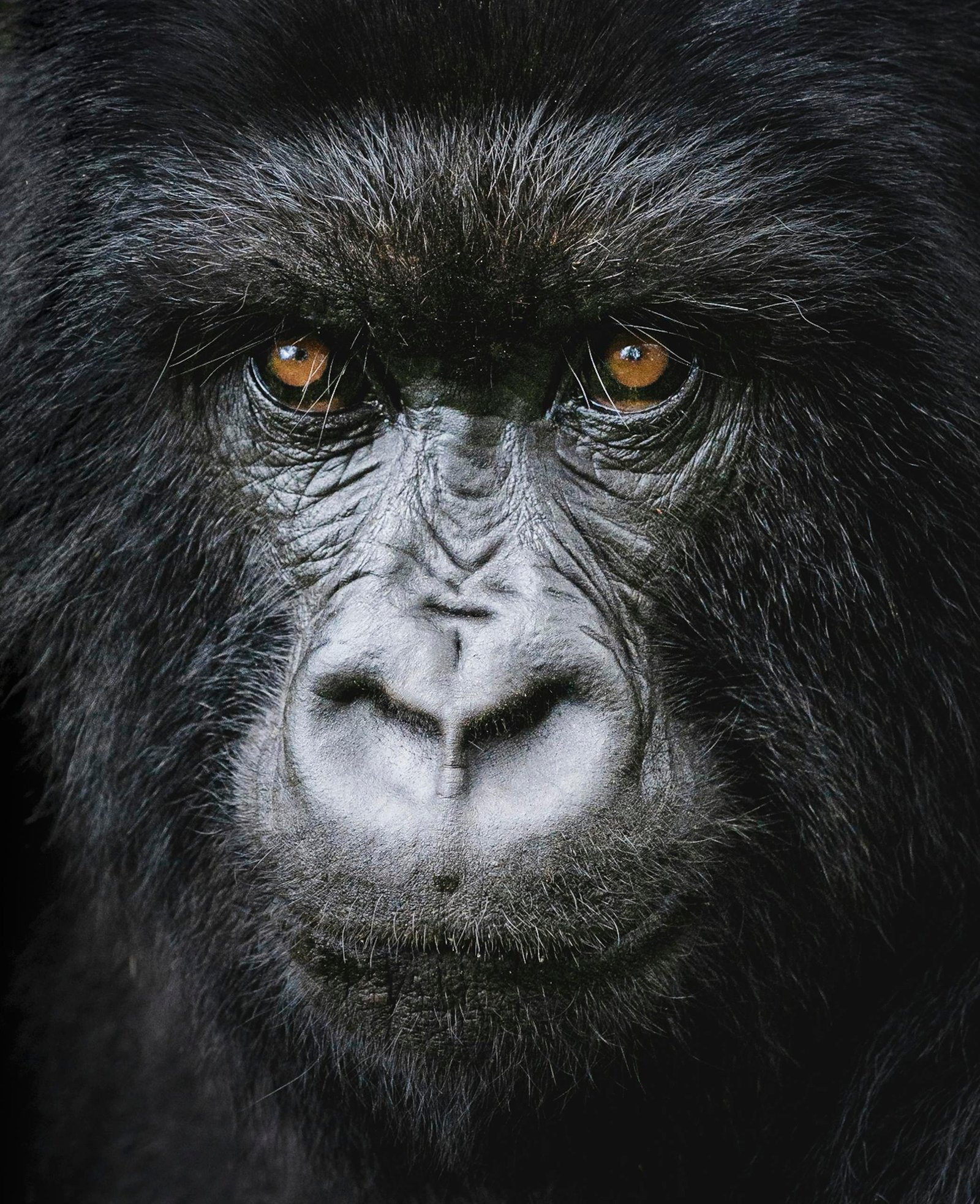
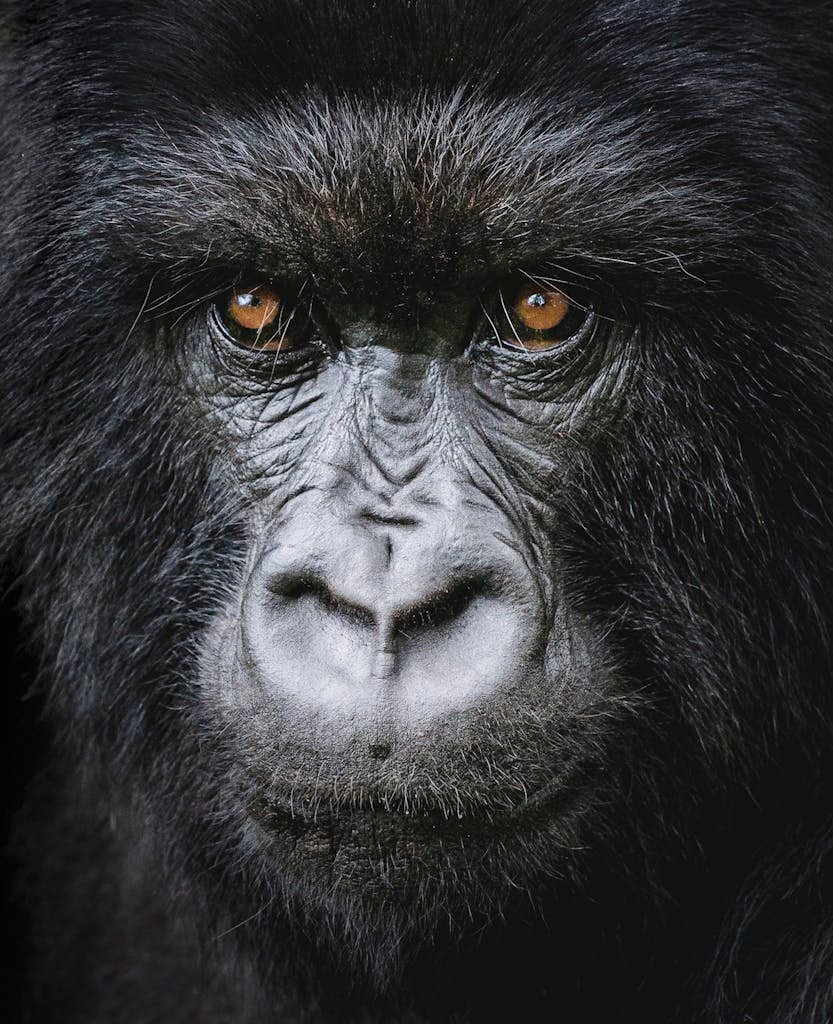
A silverback watches calmly as juveniles tumble over each other. A mother holds her baby close, her eyes wise and deep. Time slows. Breathing slows. You feel small and infinite at once.
When you return, mud-covered and glowing, you’ll feel like you’re carrying an ancient secret inside your chest.
Day 5 — Crossing Into Uganda: Lake Mutanda Calm & Buzaniro Dream Village Project
The road from Volcanoes National Park toward Uganda feels like turning a page in a storybook. You cross the Cyanika border where smiling immigration officers stamp your passport and say, “Welcome to Uganda.” The landscape opens into rolling green hills, banana groves, and children waving enthusiastically from the roadside.
Before Lake Mutanda appears, you make a meaningful stop in Buzaniro Village, home to the Dream Village Project — a community-led initiative that uplifts local families through education, sustainable farming, youth empowerment, and small-scale entrepreneurship. The moment you step into the village, you feel embraced by warmth.
A group of women greet you with shy smiles as they show their weaving work — baskets dyed in earthy reds and blues. Children peek from behind doorframes, giggling, then gather around when a local guide begins translating their questions for you.

You spend time visiting homesteads built with traditional techniques, hearing about how families grow sweet potatoes, beans, and matoke using climate-smart methods. You learn how the project helps vulnerable households by providing seedlings, goats, and vocational training. Every handshake feels genuine. Every conversation feels like an exchange rather than a performance.
It’s the kind of visit where you walk away feeling lighter — like you’ve been let into a circle of trust.
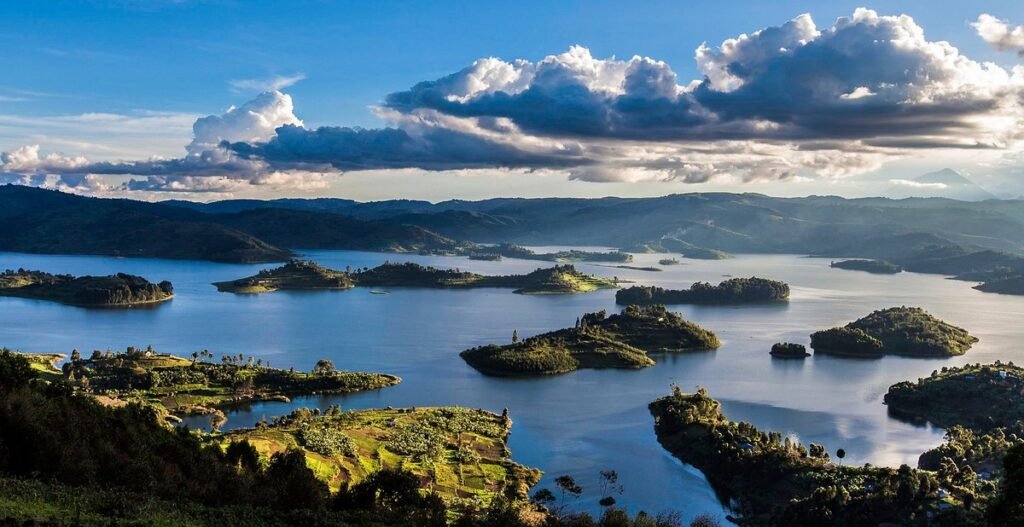
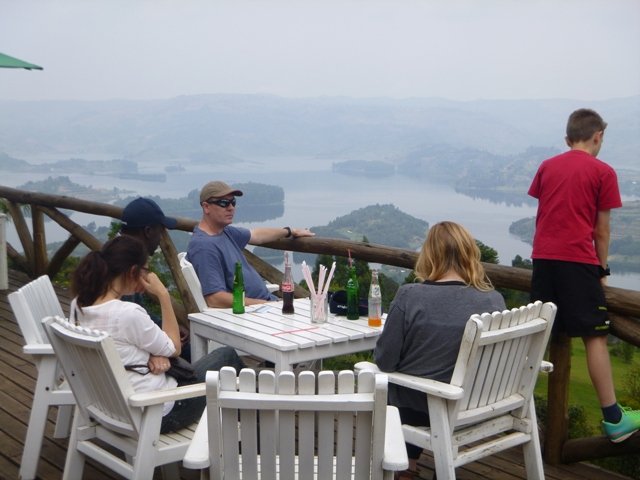
Later, you continue to Lake Mutanda, one of Africa’s most enchanting lakes. The water lies still like polished glass, reflecting the volcano peaks that stand guard in the distance. An eco-lodge perched on a hill welcomes you with fresh passion fruit juice and the scent of eucalyptus in the air.
As night settles, frogs sing from the reeds, and the sky fills with stars. You fall asleep knowing your presence supported a community shaping its own bright future.
Day 6 — The Batwa Community: Stories of the Forest
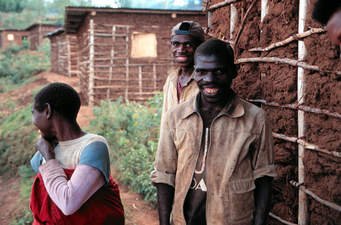
Today you step into one of the most meaningful community experiences of the trip: meeting the Batwa, an Indigenous group who lived in the forest long before it became a national park.
You’ll learn how they once tracked animals by reading subtle signs in the forest, hear songs that echo the old ways, and join in craft-making that supports families directly. Their guides speak openly about adapting to new livelihoods.
This is responsible travel at its purest — connection, understanding, and shared dignity.
Day 7 — Gorilla Trekking in Bwindi: Deep in the Impenetrable Forest
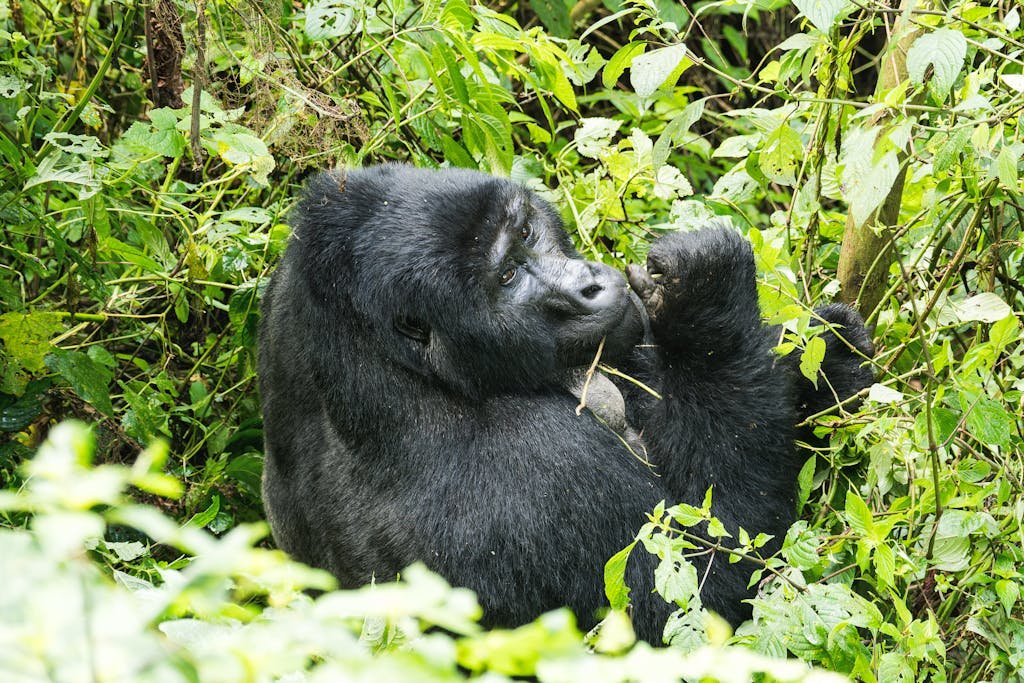
Bwindi feels wild. Primeval. The forest canopy swallows the morning light, and vines twist like ancient ropes.
Your trekking team leads you through thick vegetation until — just like in Rwanda — the moment arrives. More gorillas. A different family. A different energy. Perhaps a playful youngster beats its chest. Or a silverback walks right past you, brushing the leaves.
You’ll never forget the smell of the forest floor, the softness of gorilla grunts, or the quiet joy in your heart.
Day 8 — The Savannah Shift: Queen Elizabeth National Park
Leaving Bwindi, the landscape shifts dramatically. Forest becomes savannah. The air grows warmer, the horizon wider.
Queen Elizabeth National Park surprises many travelers. Elephants wander through acacia trees, buffalo graze near crater lakes, and if you’re lucky, you might even spot the region’s famous tree-climbing lions lounging lazily in fig branches.
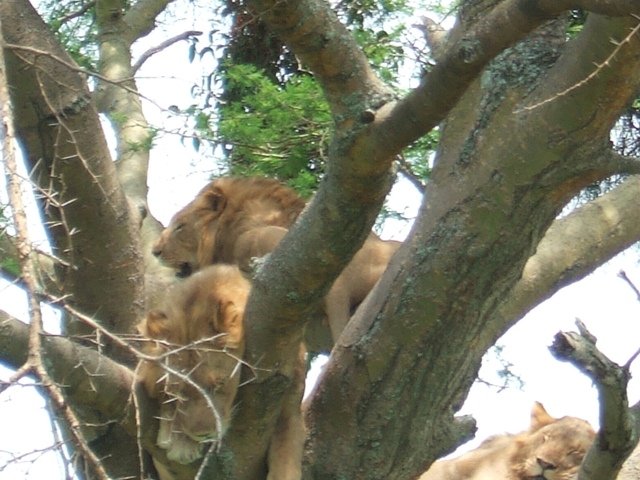
Day 9 — Kazinga Channel: Water, Wildlife & Women Leading Change
This morning, cruise the Kazinga Channel, where hippos grunt like old men complaining, crocodiles warm themselves along muddy banks, and hundreds of birds skim the water.
In the afternoon, visit a local women’s cooperative—often a beekeeping project or crafts center. Every purchase, every story shared, every moment of presence supports families and keeps traditional skills alive.
Day 10 — Return Journey to Kigali & Visit to Amatsiko Preparatory School
Your final day carries a beautiful emotional weight — that gentle mix of gratitude, reflection, and the quiet realization that travel has changed you again.
On the way back toward the border, the road takes you through villages waking up for the day: women sweeping courtyards, roosters crowing, children in worn uniforms walking to class with unmatched shoes but big bright smiles.
You arrive at Amatsiko Preparatory School, one of the shining hearts of this itinerary. Part of the revenue from this tour helps children here pay school fees, buy books, and stay in the classroom instead of dropping out due to financial hardship.
When you enter the school grounds, laughter fills the air. A teacher guides you around, introducing you to students practicing reading under a mango tree or working on math problems on chalkboards that have seen years of use. Some children proudly recite English phrases they’ve learned; others wave shyly from behind classroom doors.

You notice a small plaque on a classroom wall:
“Education is the path. Community is the strength.”
This moment feels grounding — a reminder that responsible tourism is not abstract. It’s real. It’s human. It changes futures.
After heartfelt goodbyes, you continue the drive back to Kigali. The hills look softer now, familiar, almost like friends. As the city skyline appears in the distance, you realize this journey didn’t just show you mountains, forests, and wildlife. It showed you courage, community, and the incredible power of connection.
And as you prepare for departure, you carry with you the warmth of the people whose lives are woven into this land — and whose futures you’ve quietly supported.
Travel Kindly: How to Leave a Positive Footprint
- Hire local guides, porters, and community-run lodges.
- Use refillable water bottles; most lodges have purification stations.
- Keep a respectful distance from gorillas; follow ranger instructions.
- Buy crafts directly from artisans.
- Ask before taking photos of people.
- Choose certified ethical tour operators.
Useful Info Box
Best Time to Go: June–September or December–February (dry seasons).
Starting Point: Kigali, Rwanda.
Travel Documents: Rwanda–Uganda East Africa Tourist Visa recommended.
Gorilla Permits: Book months in advance; prices vary by country.
Ethical Tour Operators:
FAQs — East Africa Tours and Safaris
1. Are East Africa Tours and Safaris safe for solo travelers?
Yes — Rwanda and Uganda are among East Africa’s safest destinations, especially with licensed guides.
2. How fit should I be for gorilla trekking?
Moderate fitness is enough; porters can assist, and trekking groups are assigned based on ability.
3. What makes East Africa Tours and Safaris unique?
The chance to combine gorillas, savannah wildlife, community tourism, and deep cultural history in one trip.
4. Is responsible travel expensive here?
Not necessarily. Supporting communities often costs the same as standard tours and has more impact.
5. Can I do this trip year-round?
Yes — though dry seasons offer easier trekking and clearer views.