Ajai Wildlife Reserve: The Definitive Guide by Amatsiko Tours – Opening Doors to Uganda’s Least-Known Treasures
Introduction – Where Uganda’s Wild Future Begins
Ajai Wildlife Reserve.
The moment the words spill into your mind, they feel like a quiet secret—something whispered by old river winds, something almost too precious to share. This is Uganda’s hidden sanctuary, a place where silence feels ancient, where the air smells of warm grass and distant river mud, and where conservation is not just policy… but promise.
Table of Contents
Let me take you there.
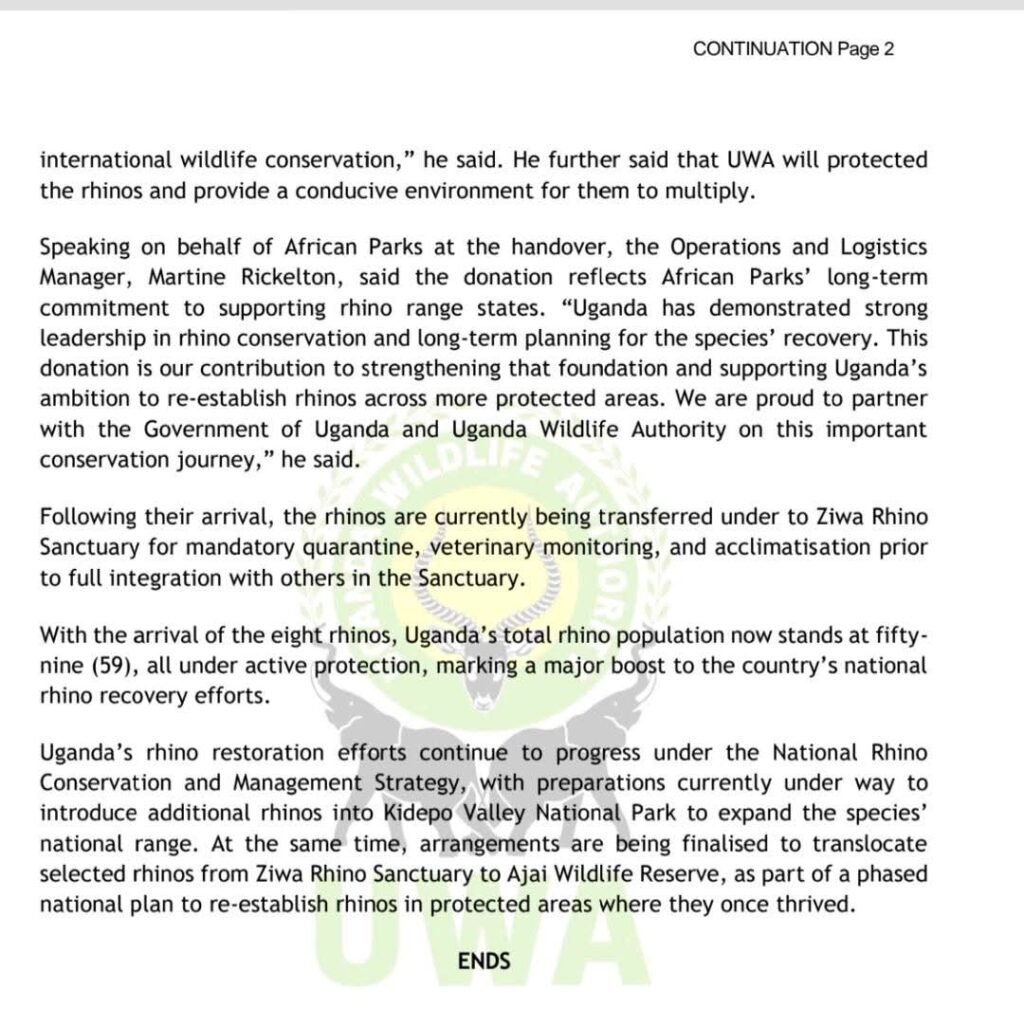
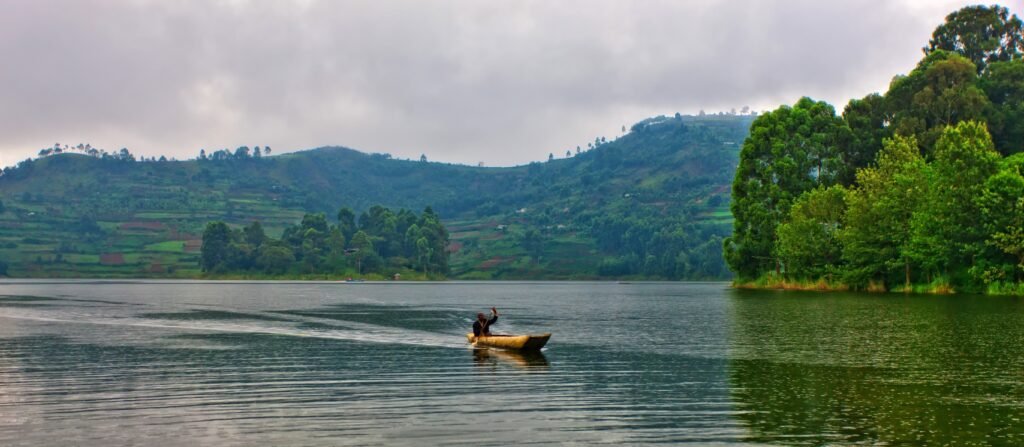
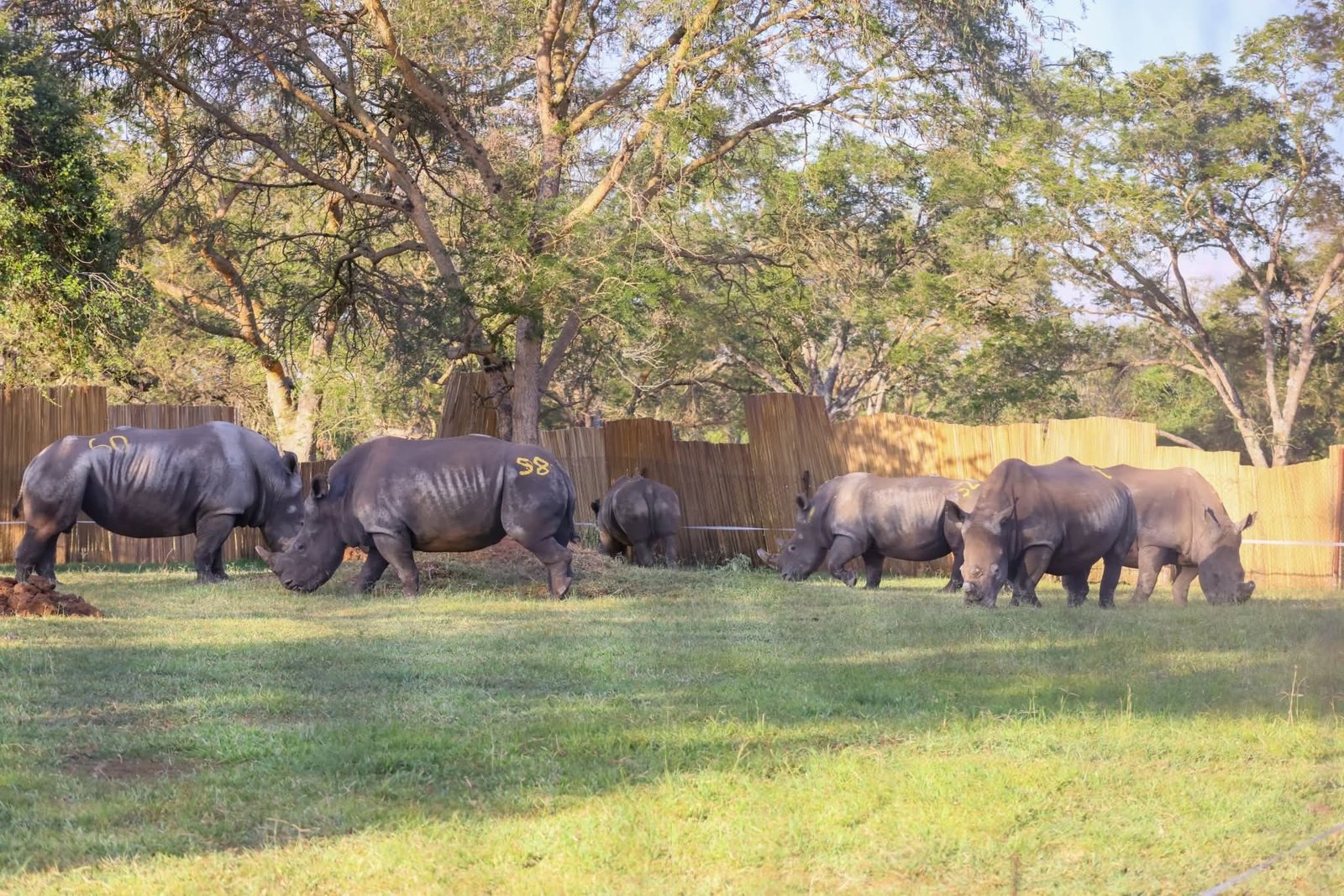
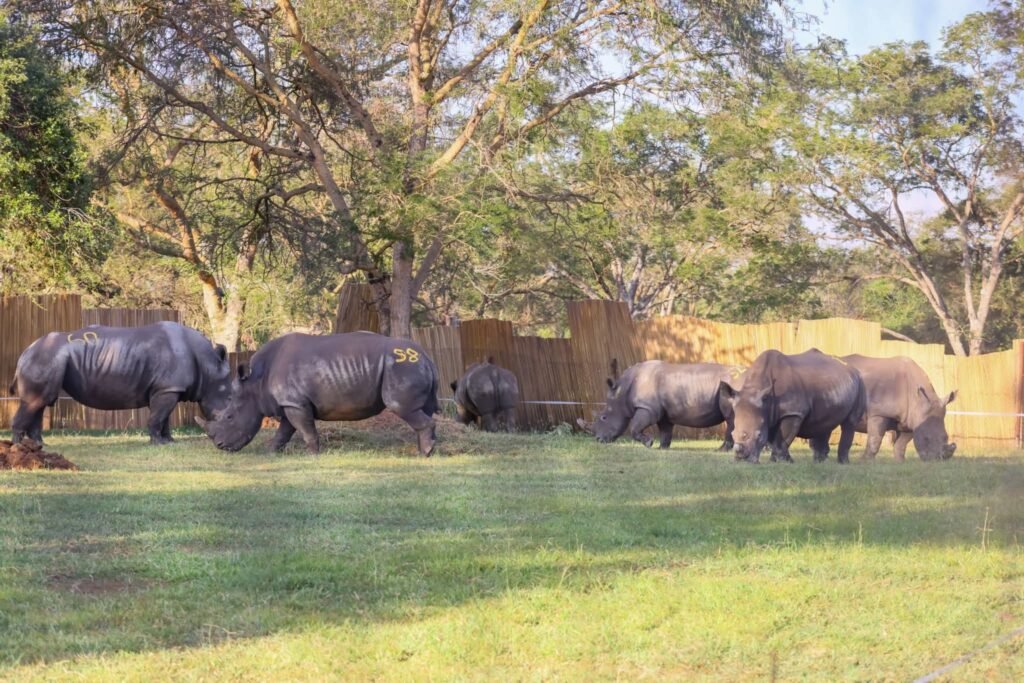
Picture the sun rising over the calm, golden floodplains along the Albert Nile. The grasses sway like ripples on a sleeping lake. Fish eagles cry out from high branches. Somewhere in the distance, the footsteps of Uganda’s returning white rhinos echo—a symbol of hope after decades of waiting. In 2025, the country celebrated a historic moment: Uganda received eight Southern White Rhinos from South Africa, marking the beginning of a new conservation chapter under Uganda Wildlife Authority (#RhinoConservation).
And at the heart of this story stands Ajai Wildlife Reserve, a place preparing once again to be one of Africa’s most meaningful rhino homes.
This is more than a safari.
This is a journey of empowerment—through communities, through conservation, through rediscovery. And Amatsiko Tours, rooted in community uplift, invites travelers to step into this story and experience a side of Uganda that few ever see.

Quick Itinerary Overview (From Kampala to Ajai Wildlife Reserve)
- Start in Kampala – Road trip through landscapes, villages, and cultural stops
- Ajai Wildlife Reserve – Full-day exploration of wildlife, wilderness, and Nile scenery
- Community Encounters – Learn from local leaders, cultural groups, and conservation teams
- Rhino Conservation Insights – Understand the significance of the 2025 rhino arrivals
- Optional Add-ons – Murchison Falls, Ziwa Rhino Sanctuary, Nebbi crafts villages
The Complete Guide to Ajai Wildlife Reserve
Where Exactly Is Ajai Wildlife Reserve?
Ajai Wildlife Reserve lies in northwestern Uganda, close to Arua and the shimmering flow of the Albert Nile. Far quieter than Murchison Falls and less commercial than Queen Elizabeth National Park, Ajai offers something increasingly rare: raw, untouched wilderness.
The reserve covers about 166 square kilometers, a mosaic of grassy savannahs, riverine forests, and wetlands. It’s spacious enough for wildlife to thrive—but intimate enough that you feel connected to every rustle, every glimpse of movement, every shift in the breeze.
A Brief History – From Royal Sanctuary to Conservation Comeback
Ajai’s story is almost mythical.
In the 1930s, during colonial times, the area was protected as a royal hunting reserve. By the mid-20th century, it became home to Uganda’s last population of northern white rhinos. Sadly, like much of Africa, the rhinos were wiped out during periods of instability and poaching.
For years, Ajai became quiet—a sleeping wilderness waiting for new purpose.
That purpose has arrived.
With the 2025 rhino reintroduction initiative and Uganda’s strengthened conservation laws, Ajai Wildlife Reserve is now stepping forward as a future rhino sanctuary, a powerful symbol of renewal.
Wildlife in Ajai Wildlife Reserve
Though still recovering, Ajai is full of life.
Walk slow, breathe deep, and you’ll notice movement everywhere.
What You Might See
- Uganda kob grazing in peaceful herds
- Warthogs trotting with tails pointed to the sky
- Hippos cooling off in the Nile’s shallows
- Crocodiles sunning along muddy banks
- Sitatungas slipping between reeds
- Waterbucks wandering near open pools
- Bushbucks watching quietly from shady corners
- More than 150 species of birds, including:
- African fish eagles
- Grey crowned cranes
- Abyssinian ground hornbills
Ajai is subtle, gentle, and authentic.
This is wildlife without crowds, without safari traffic, without hurry.
Just pure, unfiltered nature.
Ajai and Rhino Conservation – A New Dawn
The story that now defines Ajai is Uganda’s 2025 Rhino Reintroduction Movement, a monumental step celebrated across the region.
When the eight Southern White Rhinos stepped onto Ugandan soil, the ground shook with more than footsteps—it shook with hope.
Why Ajai Matters in Rhino Conservation
- It is part of a long-term plan to diversify rhino habitats in Uganda
- It offers perfect landscapes: open savannah, water sources, grazing fields
- Its remoteness protects against high poaching risk
- Communities here are deeply involved and supportive
Travelers who visit Ajai through Amatsiko Tours contribute directly to this comeback story—not through charity, but through meaningful travel that keeps conservation funded and communities empowered.
Getting to Ajai Wildlife Reserve from Kampala
Your journey begins with the hum of Kampala waking up—boda bodas buzzing, chapati sizzling on roadside pans, and the soft pink glow rising behind the city’s rolling hills.
From here, it’s a scenic 7–8 hour drive north via Gulu or Luweero.
Along the way, Amatsiko Tours makes the road trip feel like unraveling stories:
- roadside fruit markets
- craft stalls
- birds flapping across wetlands
- village smiles
- stretches of savannah glowing under the sun
When you finally arrive, the first thing you notice is the silence.
Deep, honest, grounding silence
Experiences in Ajai Wildlife Reserve (What to Do)
1. Guided Game Drive Through Quiet Wilderness
Forget the packed safari trails of bigger parks. Here it’s just you, your guide, and the soft crunch of tires on sandy tracks. Every sighting feels personal. Every moment feels yours.
Guides from Amatsiko Tours work directly with local rangers who know every inch of this land—every animal path, every rhino monitoring point, every birding corner.
2. Birdwatching Along the Albert Nile
Stand at the riverbank at sunrise and you’ll understand.
The sky glows orange. Birds rise like sparks from water. The world becomes new.
This might easily be one of the most peaceful birdwatching spots in Uganda.
3. Nature Walks With Local Community Guides
This is where the heart of Ajai comes alive.
Local guides—many of them trained through community conservation programs—share stories that no textbook can hold:
- how elders read the wind
- how fishermen navigate the river
- how children learn traditional dances around evening fires
- how the community protects wildlife as family
It’s not a performance.
It’s connection
4. Rhino Conservation Learning Experience
Depending on the stage of reintroduction, you’ll learn about:
- the future of rhinos in Ajai
- what makes rhino habitats thrive
- how poaching is prevented through community vigilance
- how tourism directly supports conservation funding
It’s powerful. Moving. Real.
5. Cultural Encounters in the Alur and Lugbara Communities
Sit with women weaving mats from papyrus.
Listen to traditional drums echoing at sunset.
Taste local dishes prepared with love—fresh fish, millet bread, leafy greens cooked in clay pots.
Community-based tourism is at the heart of Amatsiko Tours.
Every encounter respects dignity, privacy, and authenticity
Why Visit Ajai Wildlife Reserve With Amatsiko Tours?
Because Amatsiko Tours doesn’t just take you there—they help you become part of something meaningful.
1. Community Empowerment First
A portion of every tour supports community schools (including Amatsiko Preparatory School), women’s cooperatives, and conservation groups.
2. Deep Local Roots
Guides come from the very communities surrounding Ajai, creating a travel experience woven with storytelling, pride, and lived knowledge.
3. Authentic, Responsible Travel
Small groups, respectful interactions, eco-friendly trip planning.
4. Behind-the-Scenes Conservation Access
Learn from rangers, community leaders, and conservation officers
Travel Kindly — How to Leave a Positive Footprint Here
- Bring a reusable bottle—plastic harms wetlands
- Buy crafts directly from makers
- Ask before taking photos—always respect privacy
- Stay on designated paths to protect fragile habitats
- Listen deeply when community members share their stories
- Spread awareness about rhino conservation when you return home
Traveling responsibly should feel joyful, natural, and human.

Practical Information for Visiting Ajai Wildlife Reserve
Best Time to Visit:
December–February and June–August (dry seasons)
Entrance Fees:
UWA standard rates apply (updated yearly)
Where to Stay:
Lodges and guesthouses in Arua, Nebbi, or community homestays arranged by Amatsiko Tours.
What to Pack:
Light clothing, binoculars, sunscreen, insect repellent, reusable water bottle, closed shoes.
Ethical Tour Operator:
Amatsiko Tours — “Opening Doors to Uganda’s Least-Known Treasures.”
FAQs About Ajai Wildlife Reserve
1. Is Ajai Wildlife Reserve safe for travelers?
Yes. It’s quiet, remote, and monitored by UWA rangers.
2. Can I see rhinos now?
Rhino reintroduction is ongoing, and sightings depend on the stage of resettlement.
3. How long does it take to reach Ajai from Kampala?
Approximately 7–8 hours by road.
4. Is Ajai worth visiting compared to bigger parks?
Absolutely—especially if you prefer quiet, authentic, non-commercial wilderness.
5. Does my visit support local communities?
Yes. With Amatsiko Tours, every traveler contributes to education, conservation, and community empowerment.
Final Reflection — A Journey Into Uganda’s Future
Ajai Wildlife Reserve is more than a destination—it’s a chapter in Uganda’s conservation story being written right now. When you stand on its quiet plains, you feel the pulse of a land healing, rising, and preparing for the return of giants.
Travelers who visit Ajai today become part of something rare:
a place before the crowds, before the fences, before the brochures—
a place of truth, hope, and wild possibility.
And with Amatsiko Tours guiding you, the journey becomes more than travel.
It becomes connection.
It becomes impact.
It becomes memory.
When you go, remember: Uganda’s least-known treasures are often its greatest.