Gorilla Trekking Safaris Funding Amatsiko School: How Your Trip Helps
Table of Contents
At a Glance
Gorilla trekking safaris Uganda support Amatsiko School in Kabale through tourism revenue.
The logistics of the trip include precise planning around permits, borders, and lodging.
Bwindi and Mgahinga treks follow strict rules for conservation and community benefits.
Sector choice in Bwindi impacts travel plans and lodging decisions.
Transparent operations ensure community projects receive continuous support.

Gorilla trekking safaris in Uganda sit at the intersection of conservation rules, cross-border logistics, and real community outcomes. When you travel with Amatsiko Tours, your itinerary connects directly to Amatsiko School in Kabale through tourism revenue that supports practical needs like classrooms and learning materials. You get a regulated, time-limited gorilla encounter, and the community gets durable progress. That’s the point. And we keep it transparent.
Tourism revenue ties gorilla trekking to Amatsiko School in Kabale
Tourism becomes impact only when the flow of money is deliberate, trackable, and tied to a real project. Our gorilla trekking safaris are designed to do exactly that: link your trip logistics—permits, transfers, lodging coordination—to ongoing support for Amatsiko School in Kabale. You feel it in the details: the same-day border timing we plan, the sector-matched overnights we insist on, the local team who stays accountable long after you fly home.
You’ll hear schoolyard sounds in Kabale that don’t exist in a brochure. Voices, footsteps, pages turning. That’s the outcome we protect.
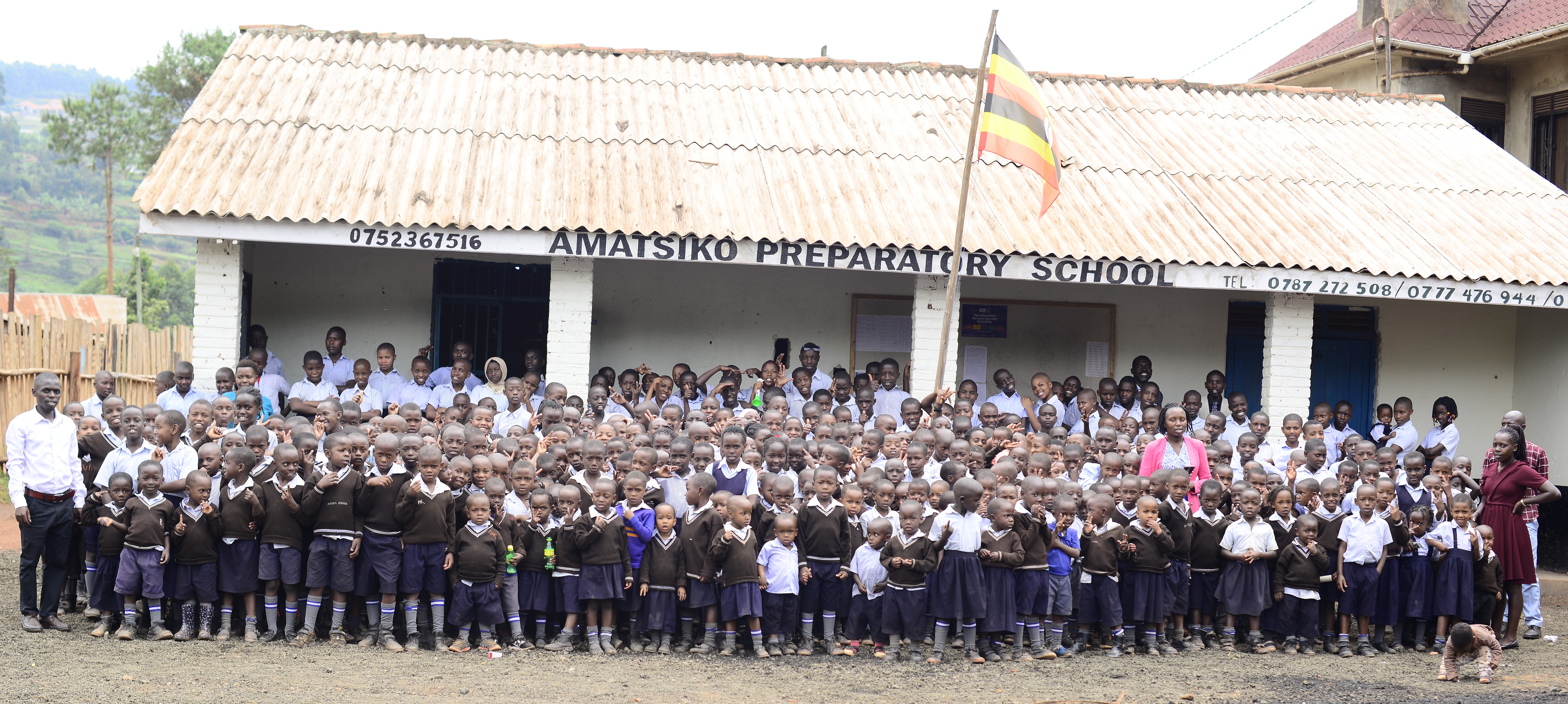
We keep the connection clear: travel revenue contributes to community projects such as classroom support and learning materials, and we communicate that impact as part of how we operate. For background on the school itself, use the Amatsiko School overview.
Wow where to begin with this experience! First, let’s say we were easily the most difficult clients they must have had, throwing them curve balls left and right. From missed flights, to missing baggage, to itinerary changes, plus the added challenge of us working on a film project while with them, Alex and Alfonse made us feel calm and easy in what otherwise would have been a very stressful situation.
— Sophie Schneeberger, Google, 5.00
We had an incredible experience with Amatsiko Tours and would choose them again without hesitation!! We were three American travelers on a custom 2-day safari through Queen Elizabeth National Park and from the start it was clear how special this company is. Their mission is truly beautiful- knowing that all of their profits go back to supporting the school they founded makes traveling with them even more meaningful.
— Hiren Patel, Google, 5.00
Our experience with Amatsiko Tours was nothing short of extraordinary! My kids and I had the opportunity to volunteer and travel in Uganda, and we were deeply touched by the kindness and warmth of the Amatsiko team. From the moment we arrived, we felt incredibly welcomed and cared for.
— Maya Gordon, Google, 5.00
Kigali to Bwindi safari planning keeps the journey predictable and ethical
A Kigali to Bwindi safari works best when you plan around two immovable realities: border time and Bwindi trekking sectors. Most travelers cross the Rwanda–Uganda border by road via Cyanika or Katuna, then overnight in Kabale, Kisoro, or near a Bwindi trekking sector. The typical drive ranges from 4–8+ hours including border time, and that range is exactly why you plan buffers instead of gambling on tight connections.
The road rhythm changes after the border. On the Uganda side, the air cools fast with elevation, and the last miles can feel slower—steeper gradients, narrower roads, and rough or muddy sections in rainy season.
Cyanika border routing aligns with Kisoro, Mgahinga, and southern Bwindi sectors
Cyanika border (Rwanda) ↔ Kisoro (Uganda) is the clean match when your permit points you toward southern Bwindi sectors like Rushaga or Nkuringo, or when Mgahinga Gorilla National Park is in your plan. Kigali → Cyanika → Kisoro commonly runs about 4–6 hours total including a reasonable border stop, then Kisoro → Rushaga/Nkuringo often lands in the 1–2+ hour range depending on road conditions and lodge location.
Insider move: if your trek is in Rushaga or Nkuringo, you sleep on the Kisoro side. Not in Kabale. That single choice protects your morning.
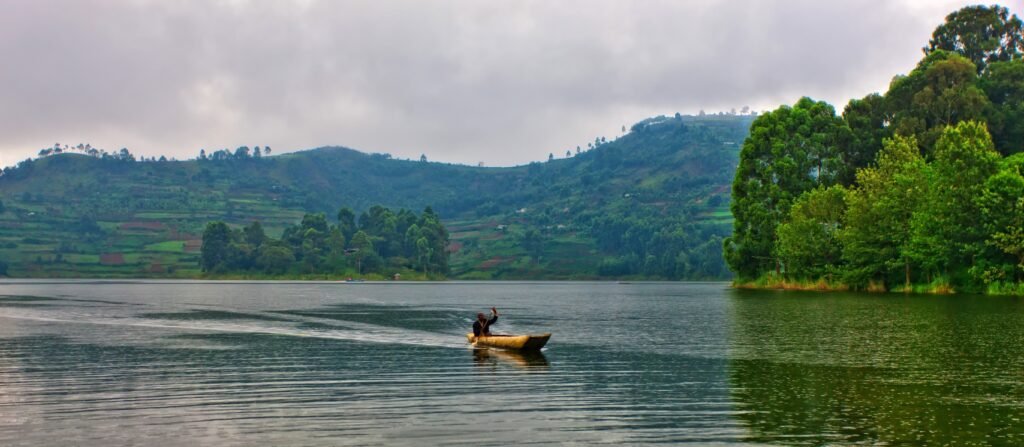
Katuna border routing aligns with Kabale, Lake Bunyonyi, and Ruhija planning
Katuna border (Rwanda) ↔ Kabale (Uganda) fits travelers who want Kabale as a staging hub, who want to add Lake Bunyonyi, or who are routing toward Ruhija and some onward connections toward Buhoma. Kigali → Katuna → Kabale typically runs about 5–7+ hours including border time.
The practical advantage is control. Kabale-based operations let us adjust quickly when weather or roadworks change the last-mile reality.
For deeper destination context, keep our Uganda national parks reference open as you map your route.
Bwindi and Mgahinga gorilla trekking stays responsible through rules and routing
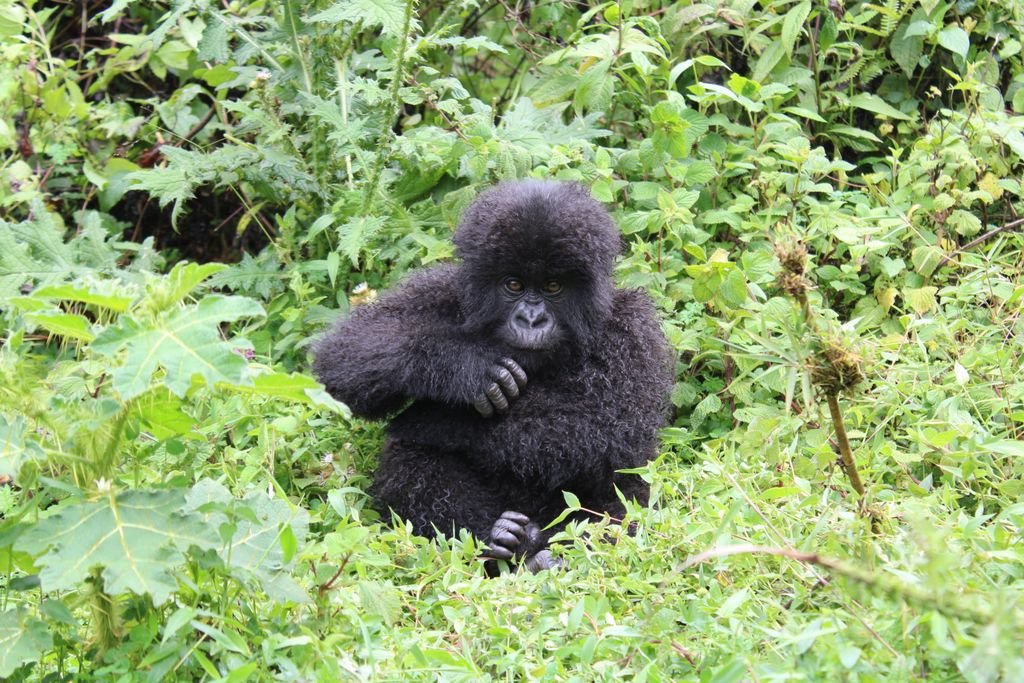
Responsible travel around Bwindi Impenetrable National Park and Mgahinga Gorilla National Park starts with respecting the framework that protects gorillas and habitats. Gorilla trekking in Uganda requires a permit issued by the Uganda Wildlife Authority, and permits are limited per day. That limitation shapes everything: your trek date, your sector assignment, your overnight base, and your driving plan from Kigali.
You’ll feel the forest before you see it. Damp earth, crushed leaves underfoot, and the quiet that settles in once the group starts moving.
Bwindi Impenetrable National Park sector choices drive your overnight strategy
Bwindi Impenetrable National Park is divided into trekking sectors—Buhoma, Ruhija, Rushaga, and Nkuringo—and each sector has its own access roads and briefing points. Sector choice determines whether the Kabale side or Kisoro side is efficient, and it determines where you sleep the night before.
We take a hard line on one rule: match your lodging to your sector. It cuts pre-dawn driving, reduces late-arrival risk, and keeps you rested for a physically demanding trek.
For a practical packing-and-permit orientation, use 7 Essential Tips for a Gorilla Trek Uganda Adventure.
Mgahinga Gorilla National Park works as a quieter primate option from Kisoro
Mgahinga Gorilla National Park is commonly accessed from the Kisoro area via Cyanika, and it’s frequently paired with golden monkey tracking. If your goal is to keep transfers tight from Kigali and stay in the same southwestern corridor, Mgahinga belongs in the conversation early—before you lock lodging.
Insider move: if you’re debating Bwindi versus Mgahinga, decide based on permit availability first, then build the rest of the circuit around that anchor.
Permit-first logistics create transparency you can feel on the ground
Transparent gorilla trekking safaris don’t hide the moving parts. We separate what is fixed from what is flexible, and we plan in the order that prevents expensive mistakes. Permits are the anchor. Border timing is variable. Sector roads demand a 4×4 year-round, and that need becomes non-negotiable in wet months.
You’ll notice the difference in how the trip runs: fewer “we’ll see,” more confirmed handoffs, and calmer mornings.
The standard permit encounter stays time-limited by design
Once gorillas are found, visitors typically spend one hour with them under the standard rule for habituated gorilla treks. That limit matters. It protects the animals, keeps the experience controlled, and helps ensure the trek remains a conservation tool rather than a free-for-all.
Insider move: plan your post-trek transfer with humility. The trek can run long, and the walk back can feel heavier than you expect. Keep the afternoon flexible if you want the day to stay ethical and un-rushed.
A practical planning table for Kigali cross-border gorilla trekking
Planning element | Cyanika border → Kisoro corridor | Katuna border → Kabale corridor | Why it matters |
|---|---|---|---|
Typical Kigali-to-Uganda range | 4–6 hours total incl. border | 5–7+ hours total incl. border | Sets your daylight buffer and arrival stress |
Best alignment | Rushaga, Nkuringo, Mgahinga | Kabale staging, Lake Bunyonyi, Ruhija planning | Protects you from long pre-briefing drives |
Common overnight base | Kisoro or sector-area lodges | Kabale, Lake Bunyonyi, or sector-area lodges | Sleep close to briefing point |
Last-mile road reality | Sector approaches can be steep, narrow, rough | Sector approaches can be steep, narrow, rough | 4×4 strongly recommended year-round |
Trek anchor | Permit date + sector assignment | Permit date + sector assignment | Everything else fits around the permit |
Community impact stays credible through local operations and clear commitments
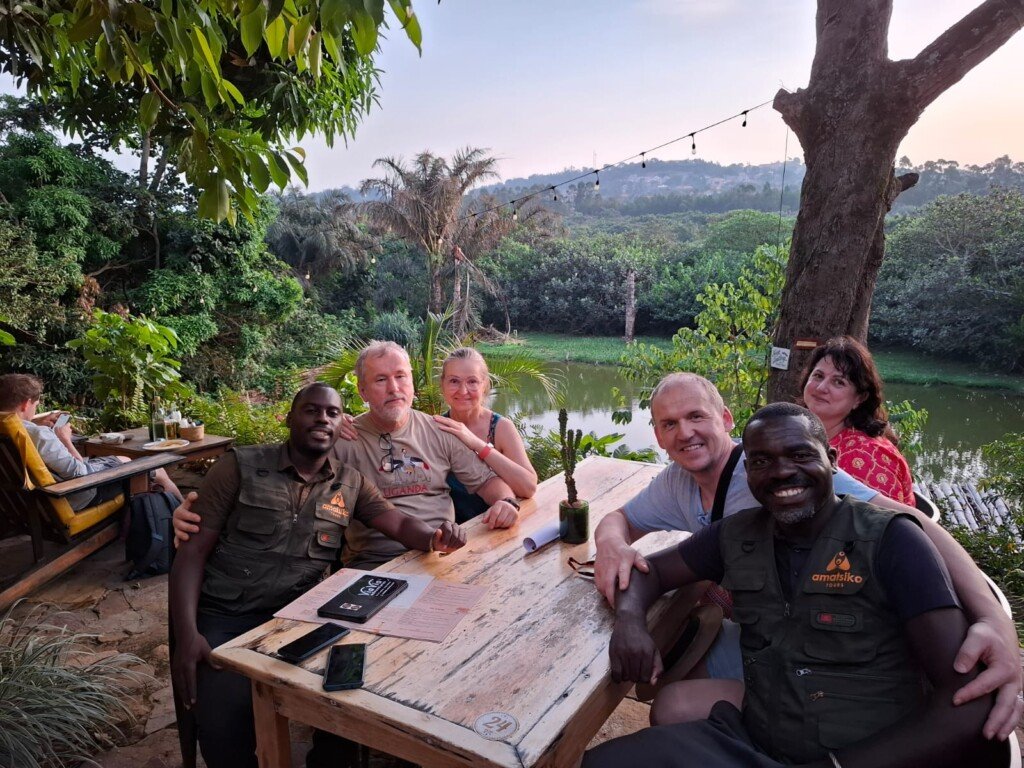
Community benefit gets vague fast in tourism marketing. We keep it specific: Amatsiko Tours is Kabale-based, and Amatsiko School is in Kabale. That proximity shapes how we work and why the support remains grounded in real needs like classrooms and learning materials rather than one-off gestures.
You’ll feel the local footprint in small ways. Familiar greetings at stops, quick coordination when plans shift, and a sense that you’re moving through a lived-in place, not a staged route.
We also keep responsible travel around Bwindi Impenetrable National Park and Mgahinga Gorilla National Park tied to behavior, not slogans:
You plan your trek date first, then match lodging to the confirmed sector.
You choose Cyanika or Katuna based on sector efficiency, not convenience myths.
You use a 4×4 for Bwindi sector access year-round, especially in wet months.
You build buffer time for border processing so you arrive before dark.
You treat the one-hour gorilla encounter as a conservation rule, not a negotiable perk.
If you want to understand who runs your trip and how we show up locally, use our team in Uganda and our purpose and approach.
Key takeaways for planning impact-led gorilla trekking safaris
Gorilla trekking safaris create real local impact when permit-first planning, sector-matched routing, and transparent trip structure stay non-negotiable. Kigali-to-Bwindi travel typically runs 4–8+ hours driving plus border time, with Cyanika aligning to Kisoro, Mgahinga, and southern Bwindi sectors and Katuna aligning to Kabale, Lake Bunyonyi, and Ruhija planning. Bwindi’s sectors—Buhoma, Ruhija, Rushaga, Nkuringo—determine where you sleep and how you drive. One hour with gorillas remains the regulated standard.
Frequently Asked Questions
1. How do gorilla trekking safaris support Amatsiko School in Kabale?
Gorilla trekking safaris with Amatsiko Tours directly support Amatsiko School in Kabale. The revenue generated from tourism is deliberately allocated to community projects like classroom support and learning materials, ensuring a tangible impact on local education.
2. What should I consider when planning a Kigali to Bwindi safari?
A Kigali to Bwindi safari requires careful planning around border crossing times and Bwindi trekking sectors. Most travelers cross the Rwanda–Uganda border via Cyanika or Katuna and plan for overnight stays in Kabale, Kisoro, or near a Bwindi trekking sector to ensure a seamless journey.
3. Why is it important to match lodging to the Bwindi trekking sector?
Matching your lodging to the Bwindi trekking sector is crucial as it minimizes pre-dawn travel, reduces the risk of late arrival, and keeps you well-rested for the physically demanding trek. Each sector—Buhoma, Ruhija, Rushaga, and Nkuringo—has its own access roads and briefing points, which dictate the most efficient lodging options.
4. What are the benefits of choosing Mgahinga Gorilla National Park for trekking?
Mgahinga Gorilla National Park, accessed from the Kisoro area via Cyanika, offers a quieter primate trekking experience. It is often paired with golden monkey tracking and is ideal for those looking to minimize transfers from Kigali while staying within the southwestern corridor.
5. What is the significance of the one-hour gorilla encounter limit?
The one-hour limit during gorilla encounters is a conservation rule designed to protect the animals and ensure the experience remains controlled and sustainable. It is a crucial aspect of responsible gorilla trekking, maintaining the trek’s role as a conservation tool rather than a commercial exploit.
6. How do Cyanika and Katuna border routes differ in terms of travel planning?
The Cyanika border route aligns with the Kisoro corridor, facilitating access to southern Bwindi sectors like Rushaga and Nkuringo, and Mgahinga Gorilla National Park. Conversely, the Katuna border route connects with Kabale, Lake Bunyonyi, and the Ruhija sector, offering flexibility in travel planning and quick adjustments to road or weather conditions.
7. Why is using a 4×4 vehicle recommended for Bwindi sector access?
A 4×4 vehicle is strongly recommended for accessing Bwindi sectors due to the steep, narrow, and potentially rough road conditions, especially during wet months. This ensures a smoother and safer journey to the trekking sectors.
8. How does Amatsiko Tours ensure community impact remains credible?
Amatsiko Tours, based in Kabale, ensures community impact by maintaining proximity to Amatsiko School and focusing on real needs like classrooms and learning materials. Their operations are grounded in transparency and are tied to behavior, not slogans, to keep the support specific and tangible.