Visit Bwindi in July: Dry-Season Trek Conditions and Permit Timing
Table of Contents
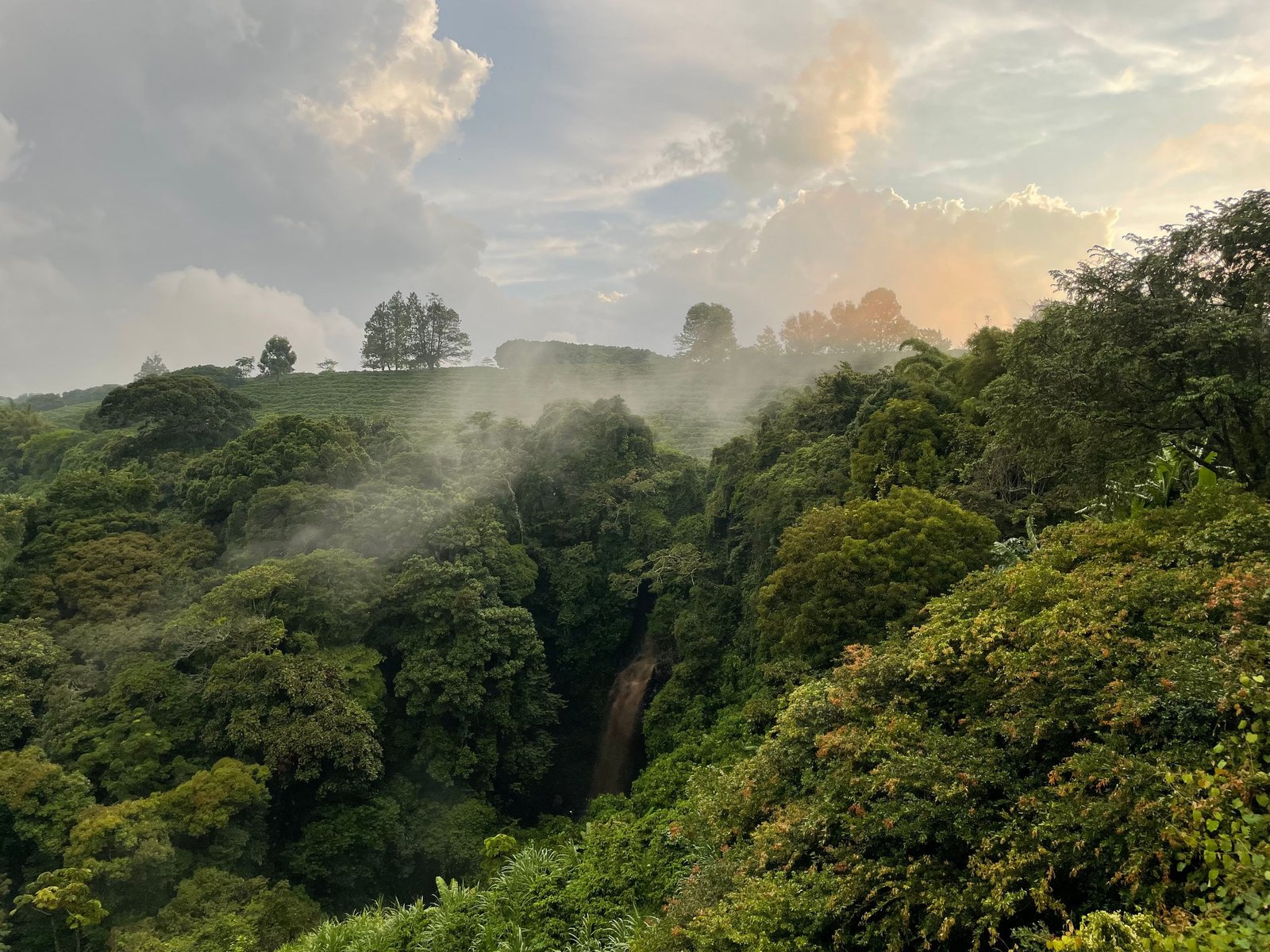
Visit Bwindi in July puts you in Bwindi Impenetrable National Park during Uganda’s dry-season window (June–September), the period most travelers target for gorilla trekking logistics that run on time and roads that cooperate. You still hike in rainforest. Expect damp earth underfoot, wet leaves on your boots, and a cool, shaded forest feel even in “dry” months.
Plan July like a high-demand month: lock your permit timing first, then build the rest of your route around it.
Visit Bwindi in July delivers the most reliable trekking setup of the year
July travel in Bwindi Impenetrable National Park lines up with Uganda’s dry season (June–September), which typically means easier overland access to western Uganda and steadier day-to-day operations for trekking schedules. You’re optimizing for fewer weather delays, clearer trail footing relative to wetter months, and smoother connections to Lake Bunyonyi, Kabale, and other western parks.
The forest still feels like rainforest—humid air, earthy smell, and slick patches where shade holds moisture. That’s normal here.
Key July realities you should plan around:
Dry-season access across June–September supports overland circuits between Entebbe/Kampala and western parks
Gorilla treks still run on steep, uneven, sometimes muddy trails in Bwindi habitat
Trek duration varies widely: under 1 hour to over 4 hours, depending on gorilla movement
Early starts are standard on trekking days, so you want an early night before the briefing
For broader context on how Bwindi fits into Uganda’s protected areas, use our pillar guide to national parks in Uganda.
Gorilla trekking in Bwindi stays unpredictable by design, even in dry season
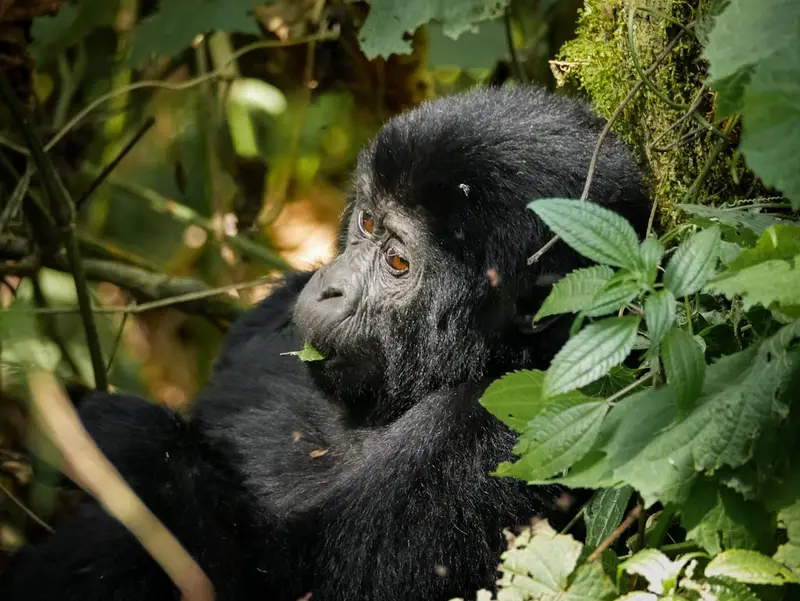
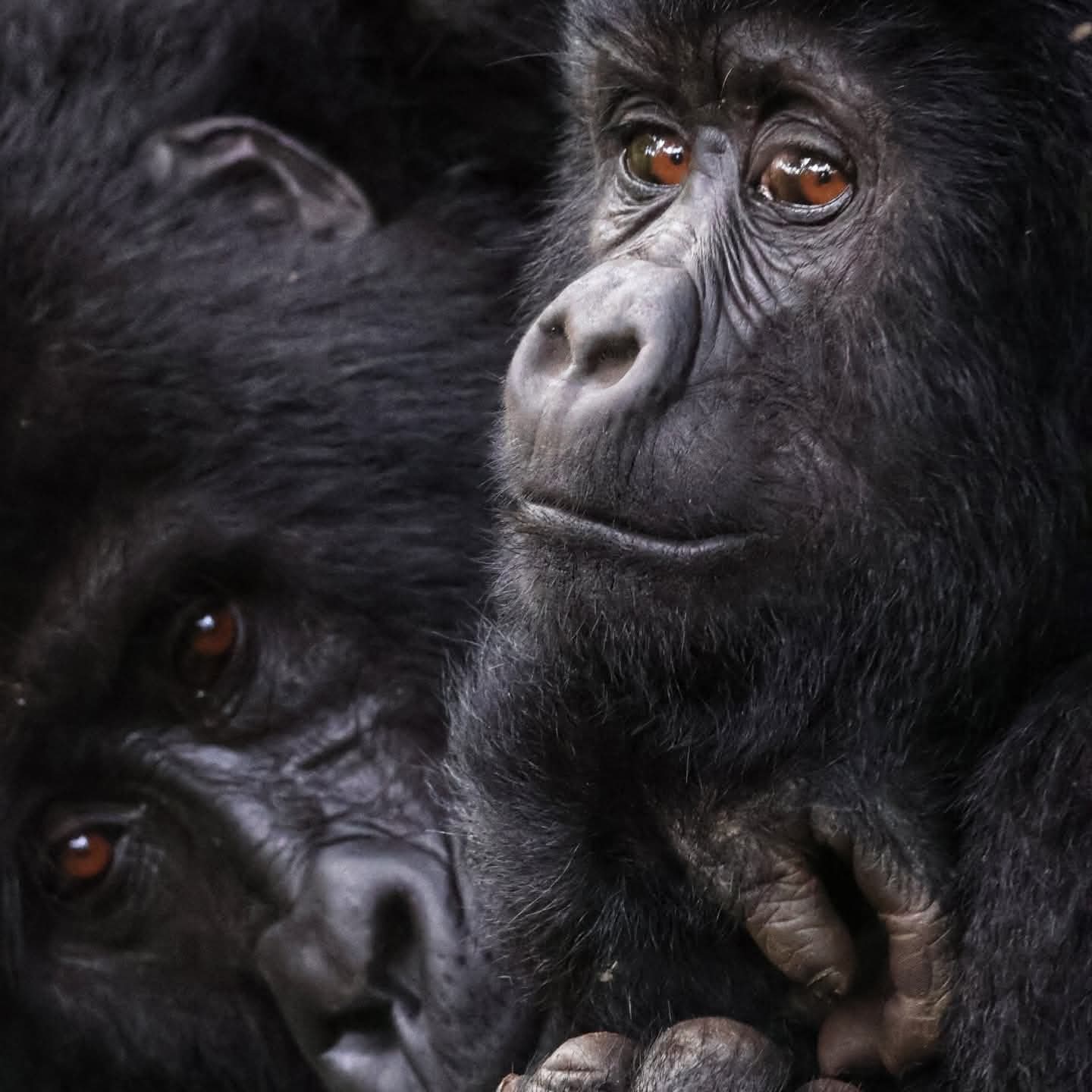
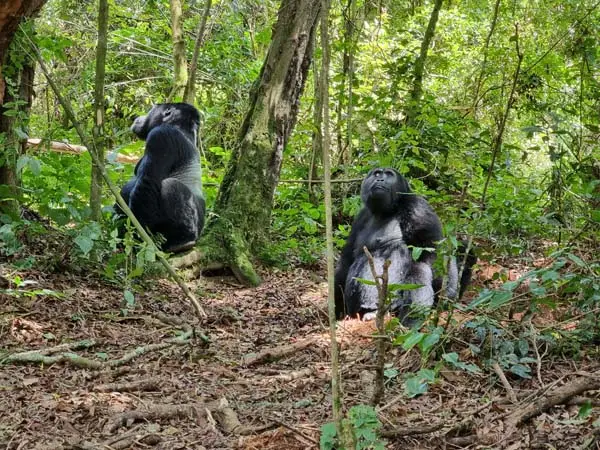
Gorilla trekking in Bwindi Impenetrable National Park is regulated, guided, and tracker-led, but the forest decides how long you walk. In July, the advantage is operational consistency and generally easier movement on access roads, not a “flat trail” experience. You should expect steep grades, dense vegetation brushing your sleeves, and the sound of boots scuffing on roots and packed soil.
The most useful way to think about your day: you’re buying a protected encounter, not a fixed-length hike.
Trek duration and trail feel in July
Your trek can take under an hour or over 4 hours. That range is normal, and it’s why your packing and pacing matter more than your fitness ego.
What you’ll notice on the ground:
Slopes, steps, and uneven footing
Mud patches and slick sections that linger in shade
Dense vegetation that makes gloves and long sleeves feel smart, not optional
Insider detail we treat as non-negotiable: keep your rain gear at the top of your daypack even in July. Bwindi micro-weather shifts fast, and the “dry season” label won’t help you when a short shower hits mid-trek.
For a deeper trek-readiness briefing, follow 7 Essential Tips for a Gorilla Trek Uganda Adventure.

You’ll feel the temperature change as you move between open patches and dense canopy. That cool shade is part of what makes Bwindi physically demanding and deeply rewarding.
Permit timing and crowd strategy matter most in July
July sits in the June–September dry-season window that many travelers treat as the prime period for gorilla trekking in Uganda. That demand pattern makes permit timing the first decision, not an afterthought. You want your permit date set before you commit to lodge nights, long drives, or add-on parks.
Crowds in Bwindi don’t look like a city crowd. They look like competition for the same limited trekking slots and the same clean itinerary flow.
Practical permit-first planning rules we use:
Pick your trekking day early in your itinerary so you can absorb travel delays and still make the briefing
Build a buffer day near Bwindi or Lake Bunyonyi if your trip is tight and you’re connecting from Entebbe/Kampala
Keep your group’s physical ability honest so guides can match difficulty appropriately
Use porters for stability and daypack support if you want more energy for the actual encounter
If you’re mapping your route beyond Bwindi, start with the park overview at Bwindi Impenetrable National Park.
July packing and on-trail comfort decide how your trek feels
Your July Bwindi day feels better when you pack for traction, grip, and sudden dampness, not for sunshine. The forest air carries moisture, and vegetation grabs at bare skin. You want gear that protects you from scratches, improves footing, and keeps your hands comfortable when you’re steadying yourself on roots and slopes.
Pack to move well for 1–4+ hours, then sit still and observe.
Our July-ready essentials (from our trek briefings):
Waterproof hiking boots for mud and slick sections
Long-sleeved clothing for vegetation contact
Light gloves for grip and comfort
Daypack with water, snacks, sunscreen, rain gear, and a camera (no flash)
Sturdy gaiters for mud and ants
Face mask to reduce respiratory risk to gorillas
Walking stick (typically provided as part of trekking logistics)
Insider detail: carry snacks you can eat quickly during short pauses. Trek pace changes fast, and you don’t want a long stop when trackers are ready to move.
For a full gear checklist you can follow line-by-line, use what to pack for Uganda.
Lake Bunyonyi and Kabale turn July trekking into a complete trip
Pairing Bwindi with Lake Bunyonyi and the Kabale region turns a physically demanding trekking day into a balanced itinerary you can actually enjoy. July supports this rhythm: trek in the forest, then recover by the lake with slower mornings, boat time, and community connection that doesn’t feel rushed.
You’ll notice the shift immediately. Quieter soundscape, softer air, and a pace that lets your legs reset.
Recovery sequencing that works in July
We recommend a post-trek stay at Lake Bunyonyi as a deliberate decompression stop between trekking and longer drives to other parks.
What to prioritize:
A calm lakeside schedule the day after your trek
Canoeing or boat time as low-impact movement
A community immersion block in Kabale built around real conversation and participation
If you want the community component to be direct and verifiable, include a school visit or volunteering block at Amatsiko School, where 20% of every fee funds the school and the program supports 400+ children.
Insider detail: schedule your lake time immediately after trekking, not at the end of a multi-park sprint. Your body feels the difference, and your photos do too—steadier hands, more patience, better light choices.
July routes that keep drives efficient and experiences strong
July is ideal for building multi-stop western Uganda circuits because dry-season conditions usually support more predictable road access. Your best route is the one that protects your permit day, keeps recovery time in the plan, and adds extensions only when they fit your pace.
Use this planning table to choose a structure, then tailor the details around your permit date.
July route structure | Best for | Core stops | Wildlife focus | Pace signal |
|---|---|---|---|---|
Gorilla + lake circuit (3–7 days) | Gorilla-first travelers | Entebbe → Bwindi → Lake Bunyonyi → Entebbe | Gorilla trekking | Efficient, recovery-forward |
Primate + safari circuit (western) | Broad wildlife mix | Entebbe → Kibale → Queen Elizabeth → Bwindi → Lake Bunyonyi → Entebbe | Chimps, game drives, gorillas | Full, but balanced |
Cross-border loop | Kigali entry/exit preference | Kigali → Bwindi → Lake Bunyonyi → Queen Elizabeth → Entebbe | Gorillas plus safari | Logistically strategic |
Extended northern–western circuit | Long-form Uganda | Kampala → Murchison Falls → Kibale → Queen Elizabeth → Bwindi | Boat + savannah + primates | High mileage, high reward |
If you’re considering a broader safari build, start with Uganda tours and safaris and then narrow to your preferred circuit.
Decision checklist for the best time to visit Bwindi in dry season
The best time to visit Bwindi for trekking logistics sits in Uganda’s June–September dry-season window, and July is the month that combines strong trail conditions with high permit demand. Your plan should prioritize permit timing, realistic trek expectations (under 1 hour to over 4 hours), and a recovery block around Lake Bunyonyi or Kabale. Pack for rainforest traction and vegetation contact: waterproof boots, long sleeves, gloves, gaiters, rain gear, and a face mask. Build your route so your permit day stays protected.
 Powered by TypeHero