10 Powerful Moments in My Uganda Travel Transformation Journey That Changed My Life
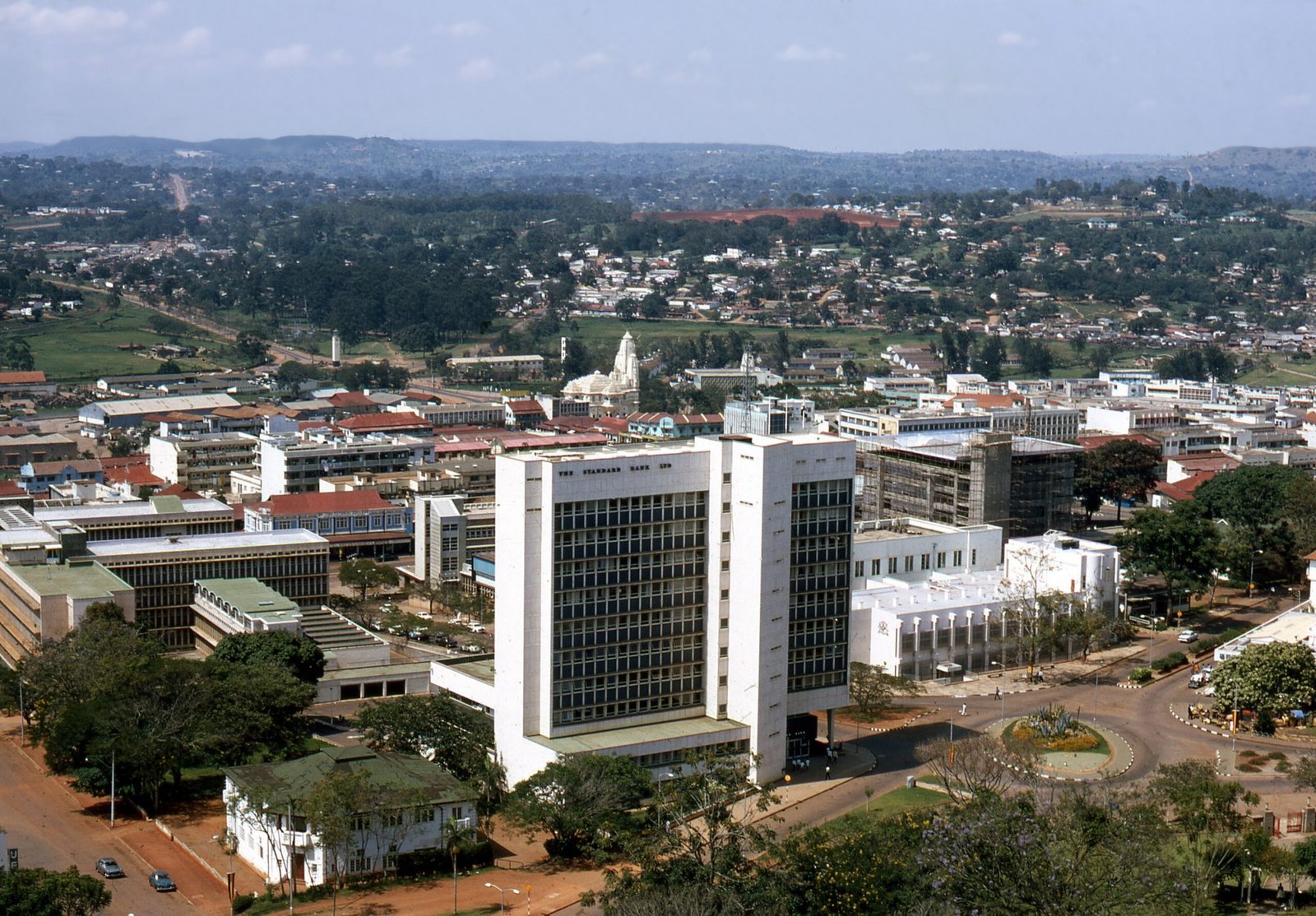
Uganda travel transformation journey begins in Kampala’s heartbeat
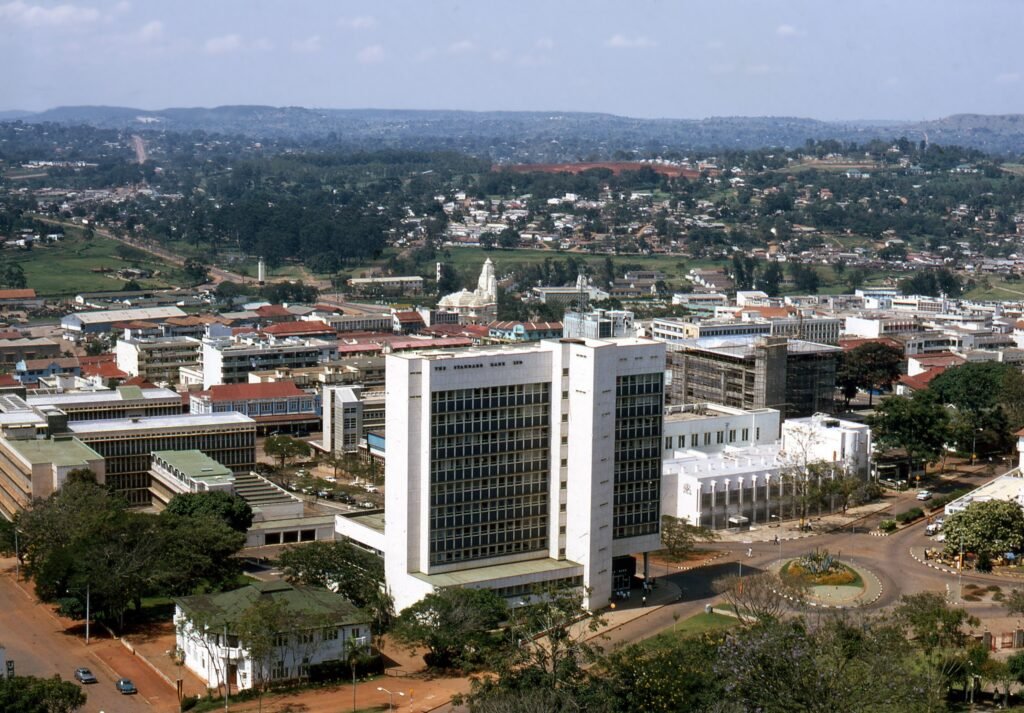
The Uganda travel transformation journey begins in Kampala, a city that doesn’t introduce itself gently, it arrives all at once. The sound of boda bodas weaving through traffic, the smell of grilled street food, the rhythm of everyday life moving fast and fearless.
Table of Contents
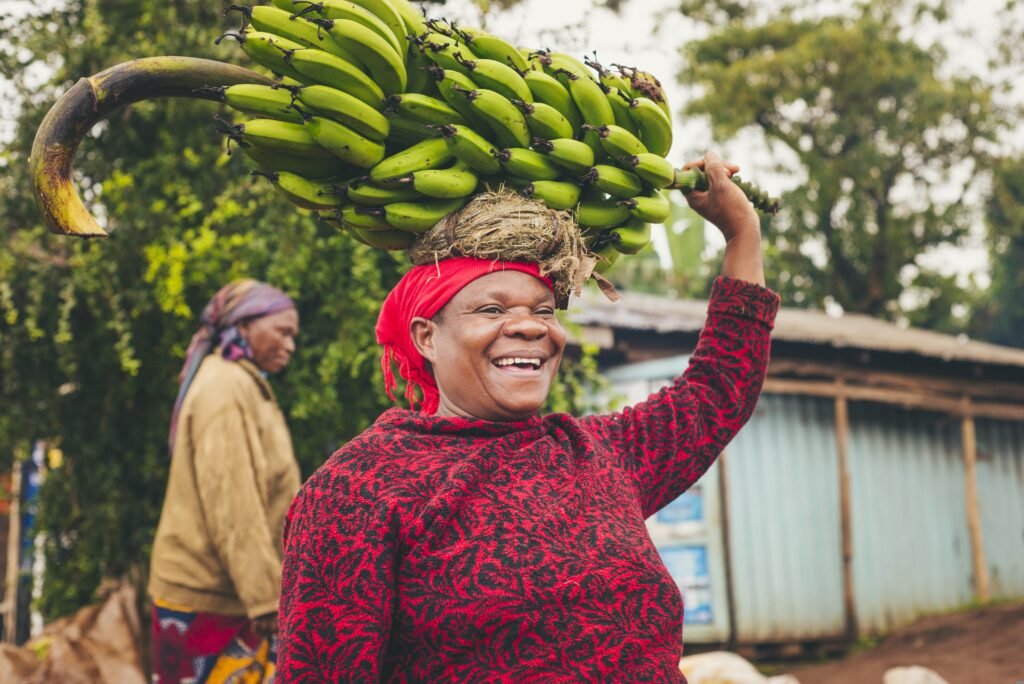
At first, I was just observing. But Kampala doesn’t let you stay an observer for long. A simple conversation with a local vendor near Owino Market shifted something in me. He spoke about life with a calm wisdom that didn’t match the chaos around him.
I remember thinking: I’m not just traveling anymore. I’m being invited into something deeper.
This wasn’t just a trip. It was a window into what hope looks like in action and how we can all have a small part to play in meaningful change.
If you want to understand the deeper meaning behind this kind of journey, read our Uganda Travel Transformation Journey for more inspiring stories from Uganda.
Jinja – Where the Uganda travel transformation journey finds its flow
In Jinja, where the Nile begins its long journey, I felt my own journey quietly reset. The river didn’t rush—it simply was. Standing there, I realized how much of life I had been forcing instead of flowing with.
A boat guide shared stories about how the Nile connects countries and cultures. That moment felt symbolic like my Uganda travel transformation journey was also connecting different parts of myself.
The wind on the water, the gentle waves, the golden light at sunset… everything slowed me down.
For more About Uganda, visit https://www.visituganda.com
Murchison Falls – Power and humility in nature
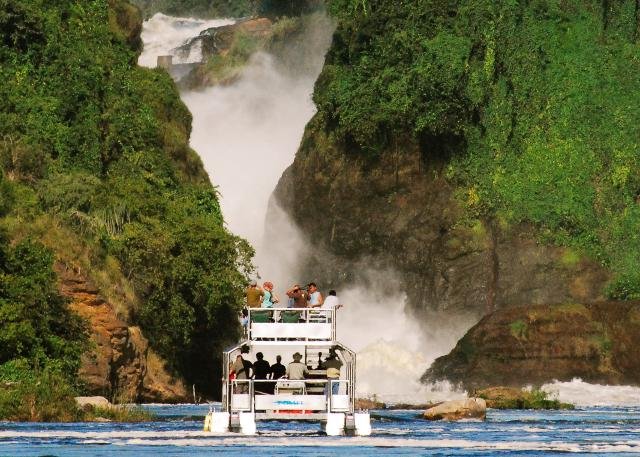
The roar of Murchison Falls is something you feel in your chest before you even see it. Water crashing through a narrow gorge reminded me how powerful nature can be and how small we are within it.
Here, the Uganda travel transformation journey became physical. I wasn’t just thinking differently, I was feeling it in my body. The mist from the falls touched my skin like a reminder to stay present.
A ranger explained how the ecosystem depends on balance. That stayed with me: strength doesn’t mean chaos, it means harmony.
Kibale Forest – Meeting our closest relatives
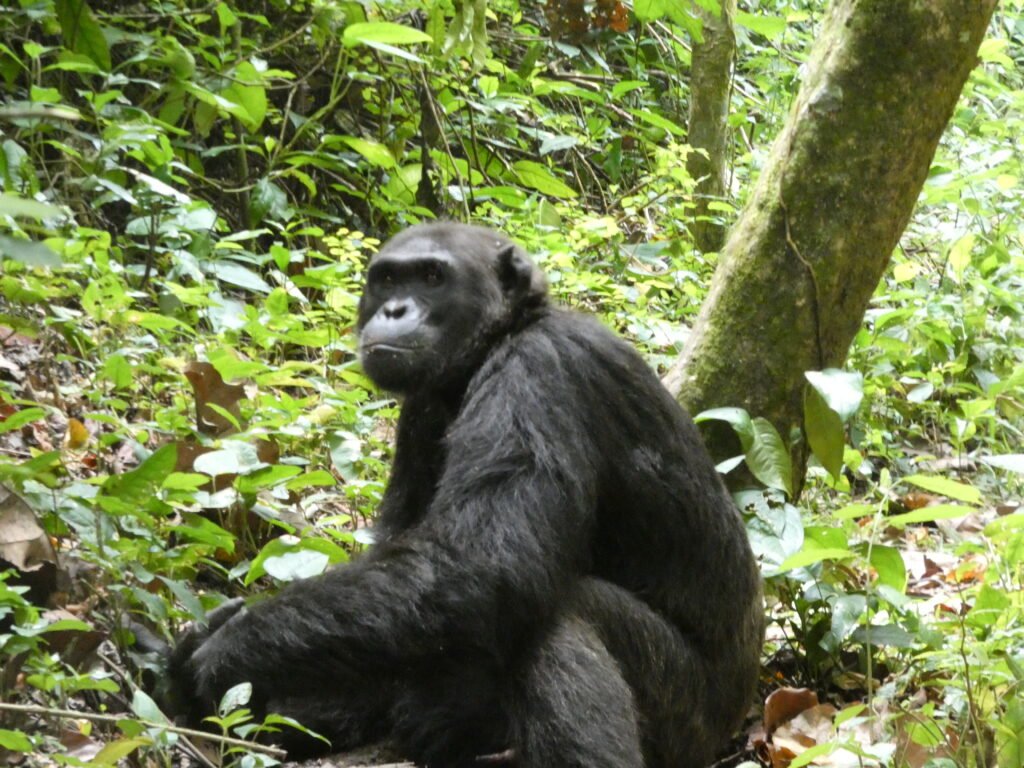
In Kibale Forest, chimpanzees moved through the trees with startling intelligence. Watching them felt strangely familiar, like looking into a quieter version of ourselves.
This part of my Uganda travel transformation journey was about connection. Not domination over nature, but kinship with it.
A local guide told stories about forest life and respect for wildlife. Every step through the forest felt like entering a living conversation between humans and nature.
Queen Elizabeth National Park – Life in balance
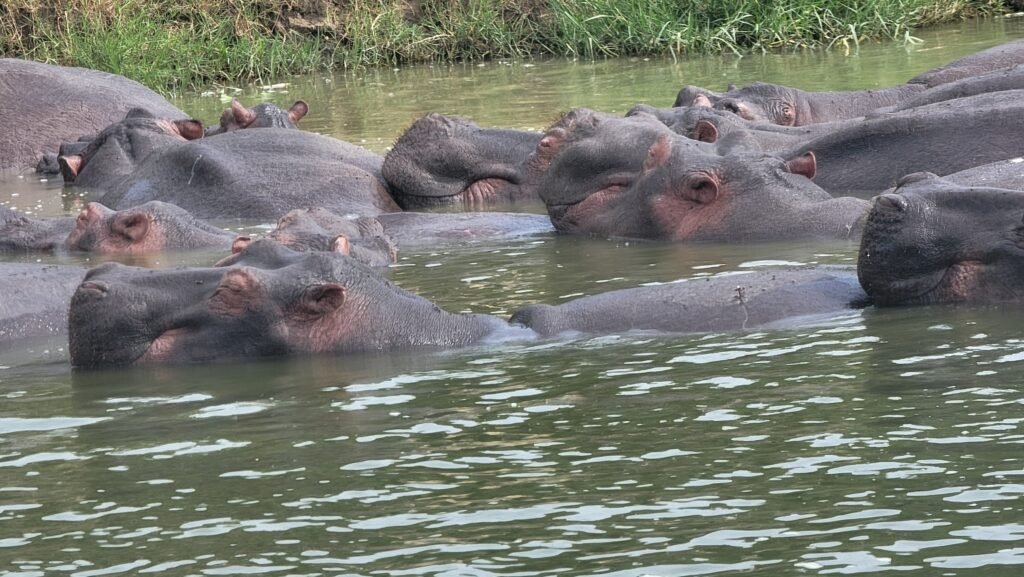
Wide savannahs, elephants moving slowly in the distance, and hippos resting in quiet water, Queen Elizabeth National Park felt like a lesson in coexistence.
The Uganda travel transformation journey here became about balance. Predator and prey, silence and sound, movement and stillness all existing together without conflict.
A boat ride on the Kazinga Channel brought everything closer. Birds skimmed the water, fishermen waved from the shore, and life simply continued.
Bwindi – The Batwa and the voice of the forest
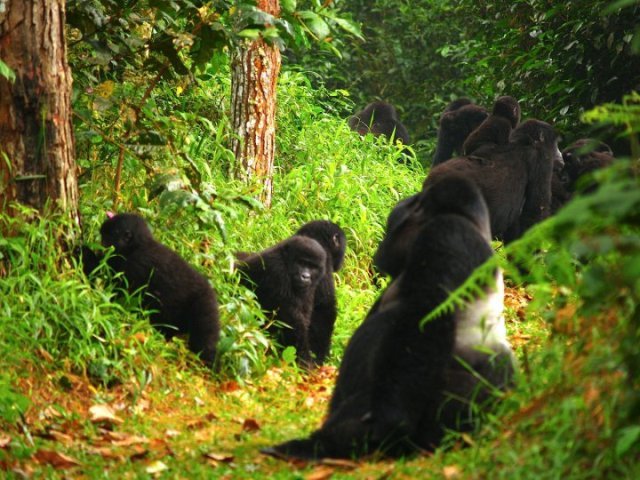
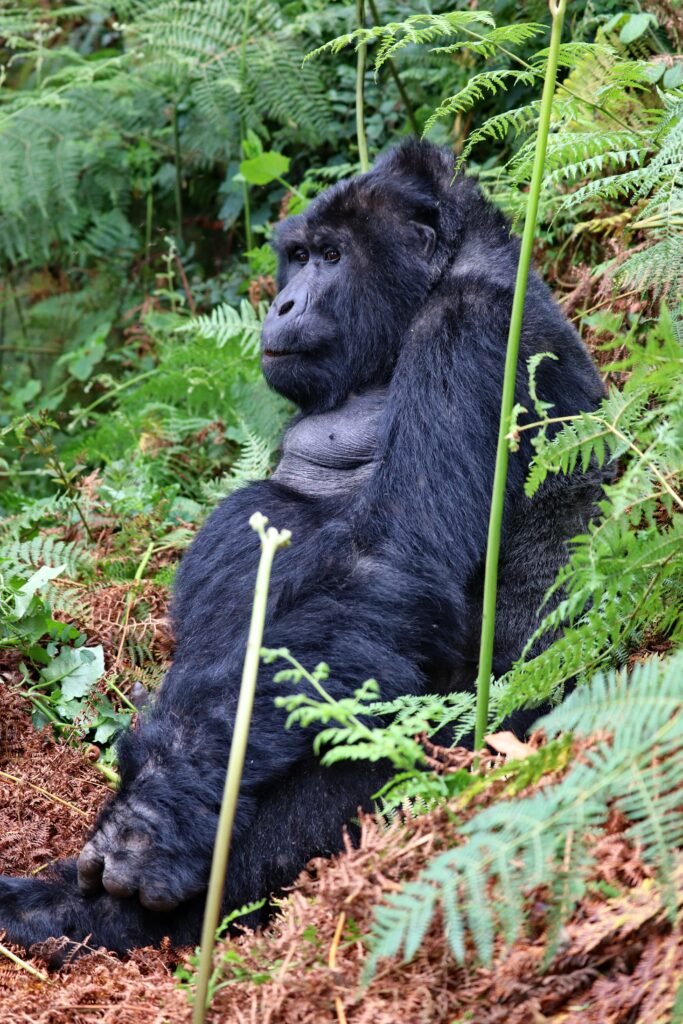
Bwindi Impenetrable Forest is not just a place, it feels like an ancient presence. Mist wraps around the trees like memory itself.
Meeting the Batwa community was one of the most emotional parts of my Uganda travel transformation journey. Their stories of living with the forest, of survival and displacement, carried deep weight.
One elder spoke softly about belonging. Not to land, but to memory. I realized how often travelers pass through places without truly listening to them.
Here, I stopped passing through. I started listening.
Mgahinga – Mountains, culture, and ancestral echoes
At Mgahinga, volcanic peaks rise like silent guardians. The Bakiga and Batwa cultural presence here added depth to the landscape.
The Uganda travel transformation journey became more spiritual in this space. Stories of ancestry, land, and identity echoed through every path.
A cultural guide explained traditional dances and farming practices. It wasn’t performance, it was preservation.
👉 Cultural Experiences in Southwestern Uganda
Lake Bunyonyi – Stillness and reflection
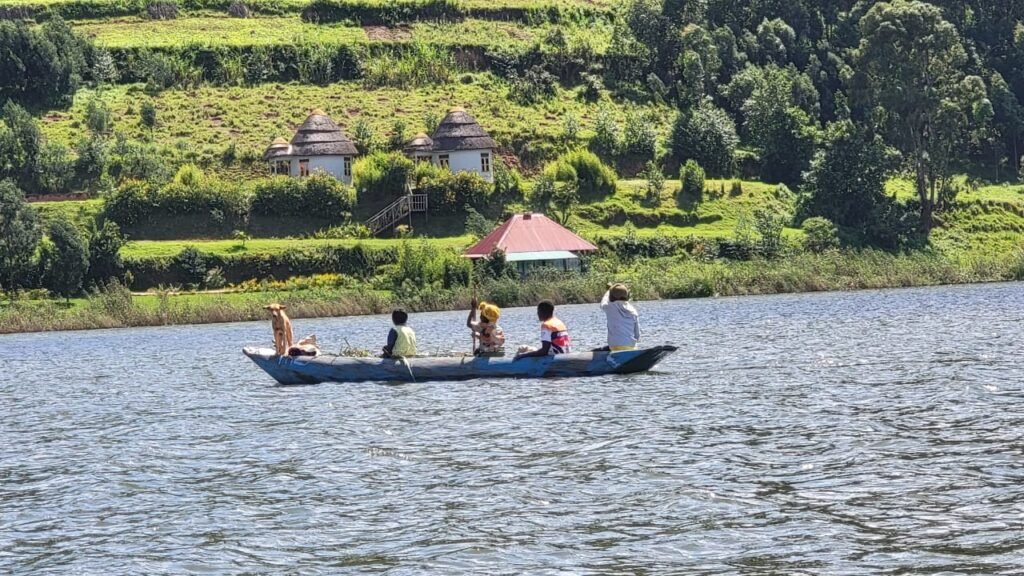
Lake Bunyonyi felt like a deep breath after a long climb. Calm water, small islands, and misty mornings created a sense of peace I didn’t know I needed.
Here, the Uganda travel transformation journey turned inward. I spent hours just sitting by the lake, watching the reflections shift with the light.
A local boat rider shared stories of the lake’s history. Nothing rushed. Everything softened.
This was where the journey started to settle inside me.
Lake Mburo – Gentle endings
Lake Mburo National Park offered something different, soft hills, zebras grazing quietly, and warm golden grasslands.
Unlike the intensity of earlier stops, this felt like closure. The Uganda travel transformation journey here became about gratitude.
I realized transformation doesn’t always come in loud moments. Sometimes it arrives quietly, like dusk.
Kampala to Jinja – The journey comes full circle
Returning toward Kampala after Jinja felt different. The same roads, the same noise but I was no longer the same traveler.
The Uganda travel transformation journey had become a mirror. What I saw outside had shifted what I carried inside.
Conversations, landscapes, cultures, they weren’t just memories anymore. They had become part of how I see the world.
Travel Kindly: How to Leave a Positive Footprint in Uganda
- Engage with local guides and communities instead of only commercial tours
- Reduce plastic use by carrying a reusable water bottle
- Support local craft markets in Kampala, Bwindi, and Jinja
- Keep respectful distance from wildlife in national parks
- Learn basic cultural etiquette from the Bakiga, Batwa, and other communities before visiting
Frequently Asked Questions- Uganda travel transformation journey
1. What is special about a Uganda travel transformation journey?
It combines wildlife, culture, and human connection, creating a deep personal transformation beyond sightseeing.
2. How many days do you need for this journey?
Ideally 10–14 days to experience Kampala, Jinja, national parks, and cultural communities properly.
3. Is Uganda safe for travelers?
Yes, with standard travel precautions and by following local guidance, Uganda is generally safe and welcoming.
4. What cultural experiences can I expect?
You can engage with the Bakiga, Batwa, and other communities through storytelling, music, dance, and guided visits.
5. What is the best time to do this journey?
June–September and December–February are best for wildlife viewing and easier travel conditions.
Final Reflection
This Uganda travel transformation journey reminded me that travel is not about collecting places, it is about collecting meaning.
Uganda didn’t just show me landscapes. It showed me connection, patience, and presence.
And maybe that’s the real journey: not moving across a country, but moving deeper into yourself.
If you ever go, don’t rush it. Let it change you slowly.
I’d love to hear what your journey becomes when you experience it.