7 Inspiring Ways Responsible Travel in Uganda 2026 is Transforming Tourism
Impactful Journeys. Thriving Communities. Protected Wildlife.
Responsible travel in Uganda 2026 isn’t just a buzzword, it’s a movement reshaping how travelers explore the Pearl of Africa. From the misty mountains of Bwindi to the roaring waters of Murchison Falls, visitors are seeking experiences that protect wildlife, uplift communities, and leave a lasting positive impact.
Table of Contents
At Amatsiko Tours, we craft journeys that blend adventure with purpose, ensuring every step you take leaves a meaningful footprint.
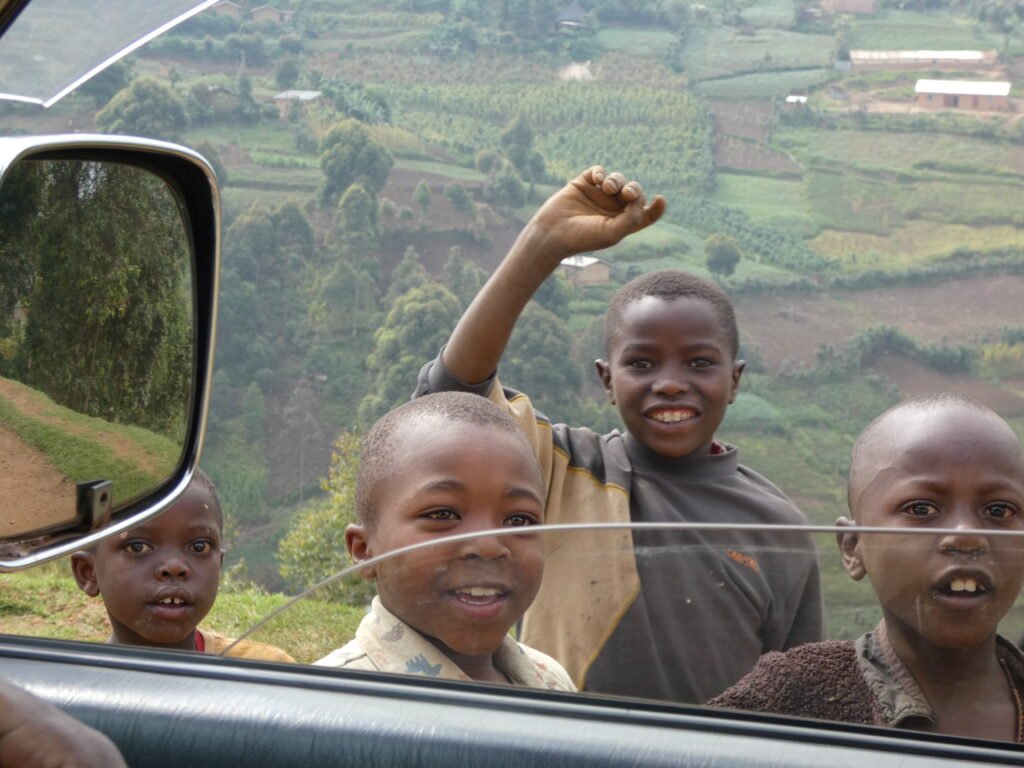
Why Responsible Travel in Uganda 2026 Matters
The tourism landscape in Uganda is evolving rapidly. More than ever, travelers are looking for authentic, mindful experiences. Responsible travel prioritizes:
- Community empowerment – providing income and skills to local people
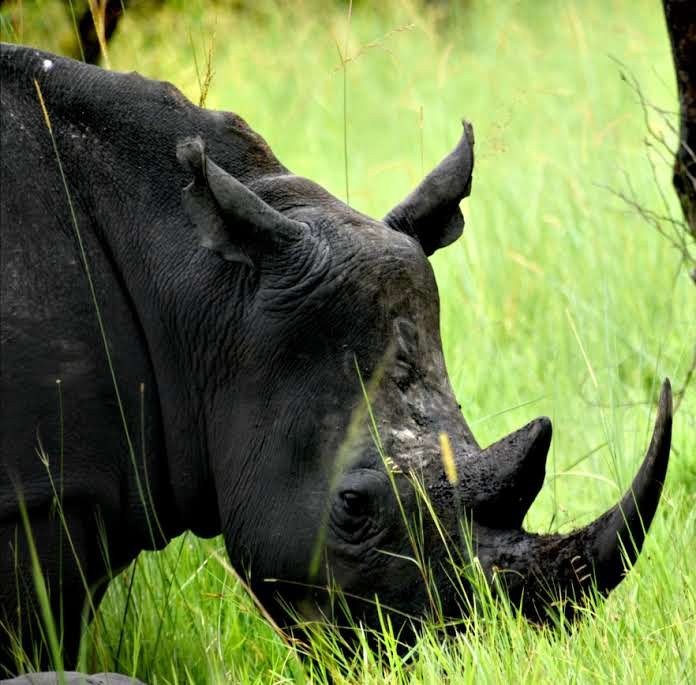
- Wildlife conservation – preserving iconic species for future generations
- Environmental sustainability – reducing carbon footprints and protecting fragile ecosystems
By embracing responsible travel in Uganda 2026, visitors actively contribute to conservation and cultural preservation while enjoying once-in-a-lifetime experiences
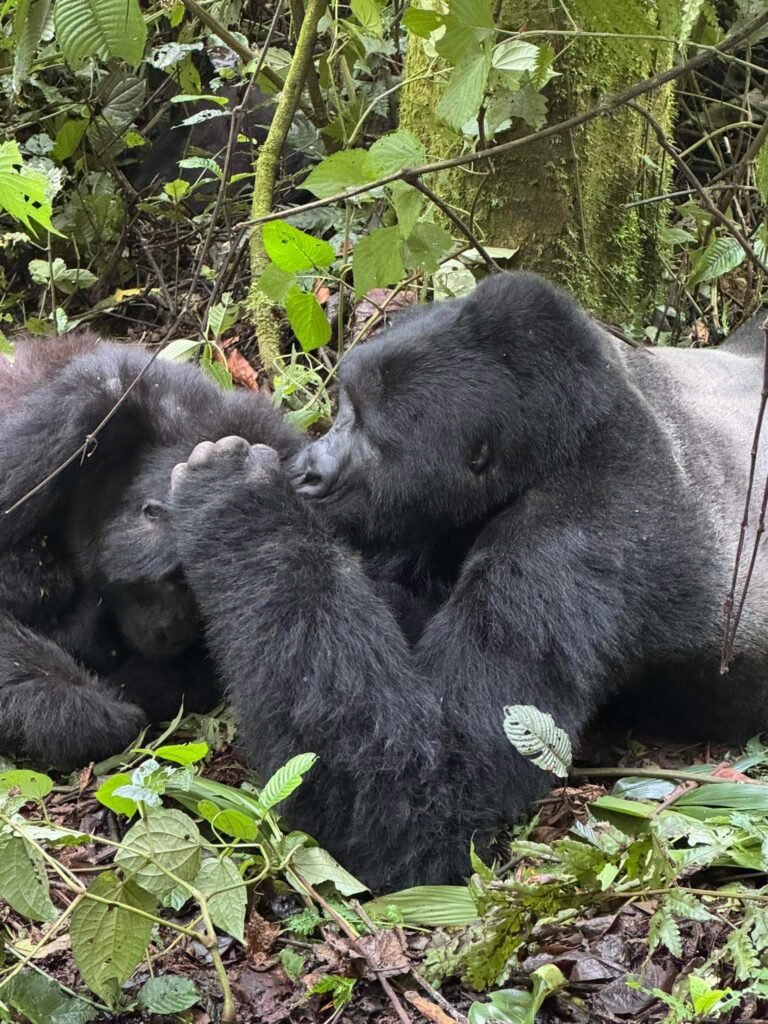
1. Gorilla Trekking That Protects Wildlife
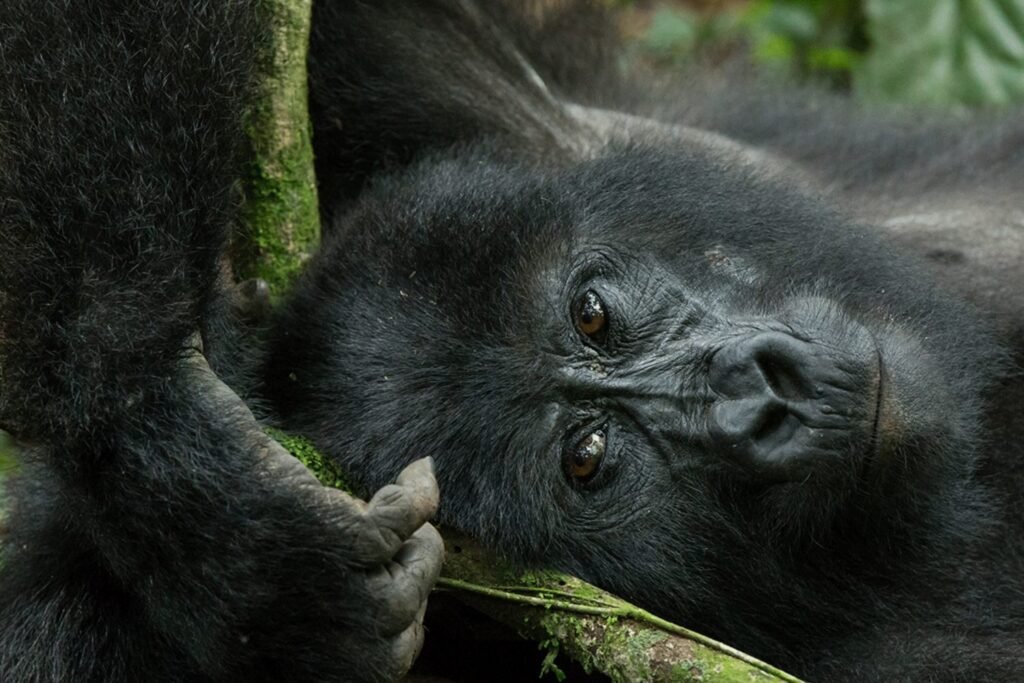
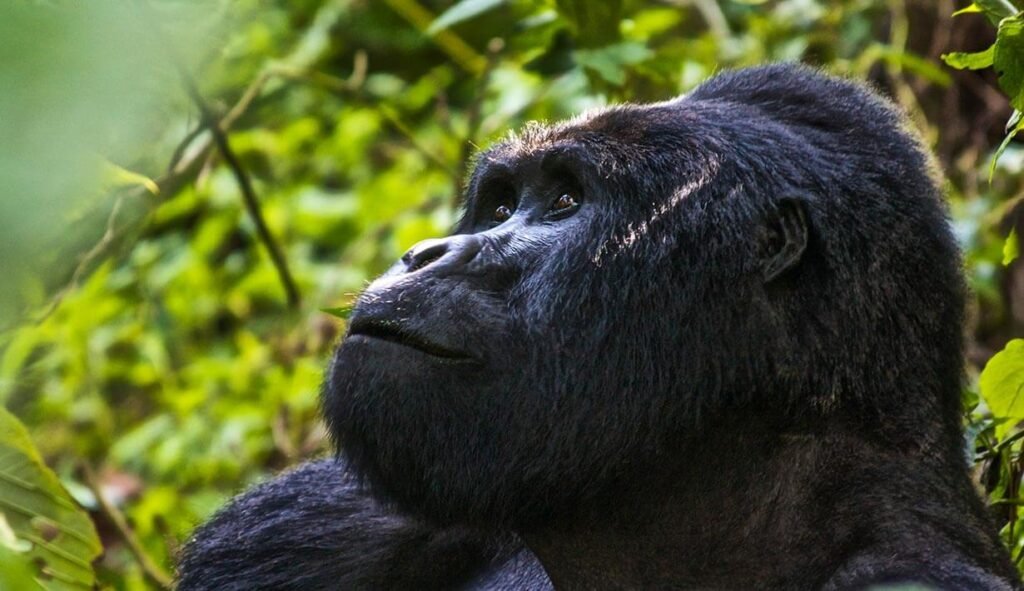
In Bwindi Impenetrable Forest, gorilla trekking isn’t just an adventure, it’s a conservation effort. Every trekking permit supports:
- Ranger salaries and anti-poaching patrols
- Habitat preservation programs
- Community development projects
Choosing responsible travel in Uganda 2026 means your gorilla encounter helps protect these gentle giants for future generations.
Tip: Book with local operators like Amatsiko Tours to ensure tourism dollars benefit surrounding communities.
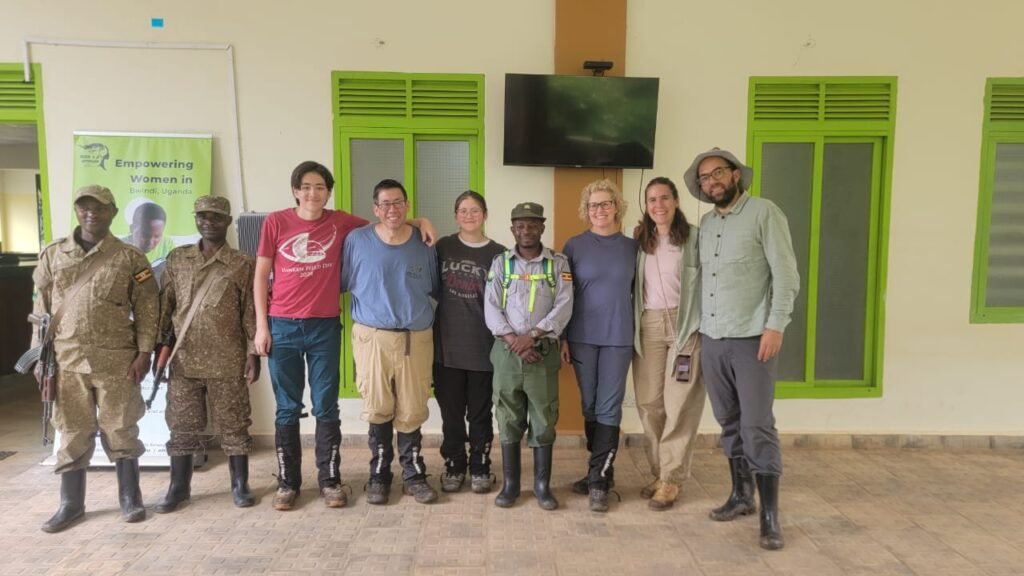
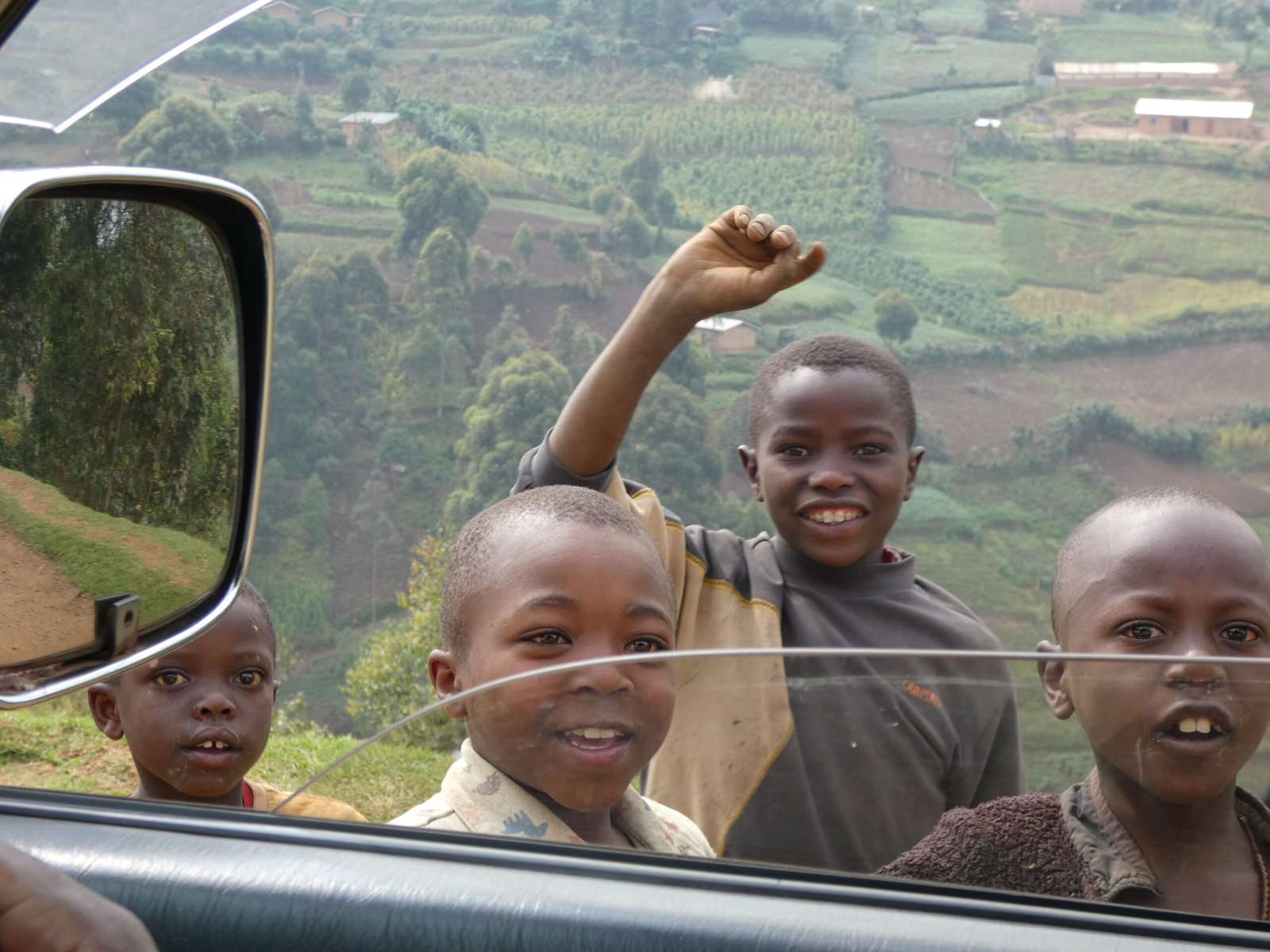
2. Community-Based Experiences
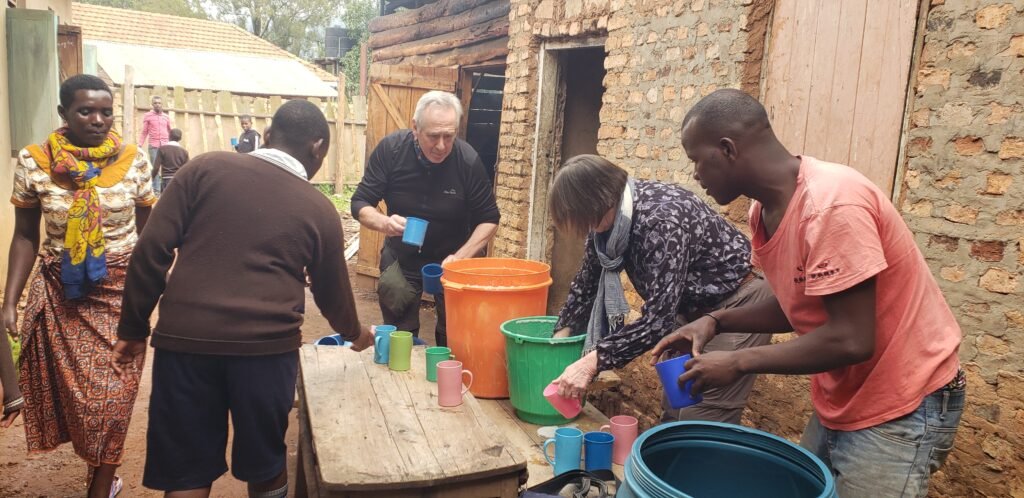
Community-Based Tourism (CBT) is a growing trend in Uganda. Visitors engage in:
- Village homestays with families
- Cooking classes featuring traditional dishes
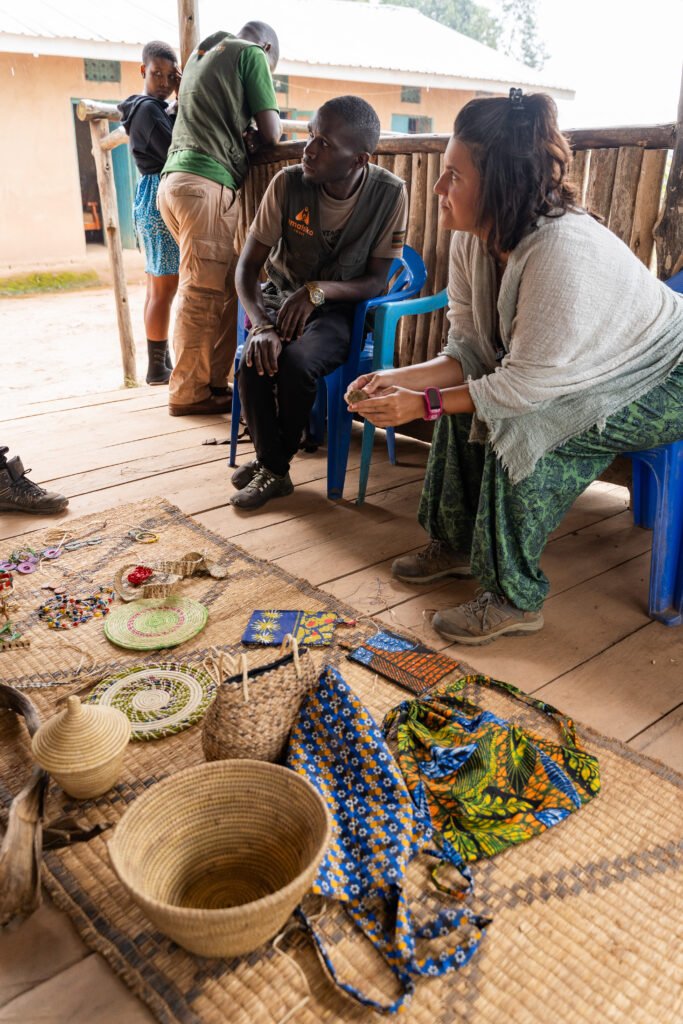
- Craft workshops supporting artisans
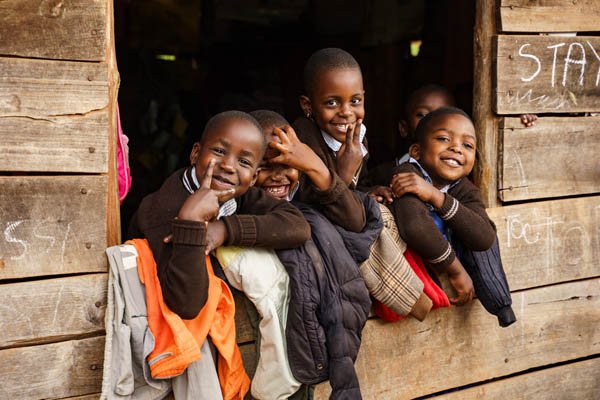
This approach allows travelers to directly support local livelihoods, fund schools and healthcare, and help preserve Ugandan culture.
Responsible travel in Uganda 2026 is about making meaningful connections , your journey becomes a story of mutual benefit and respect.
3. Eco-Friendly Lodges and Low-Impact Stays
Sustainable accommodation is no longer optional. Across Uganda, eco-lodges provide:
- Solar power and water recycling systems
- Locally sourced meals supporting nearby farms
- Wildlife-friendly architecture and minimal light pollution
By choosing responsible travel in Uganda 2026, you reduce your environmental footprint while supporting local employment and conservation efforts.
4. Supporting Local Conservation Initiatives
Many travelers now participate in programs that actively protect wildlife and habitats:
- Wetland restoration projects in Jinja
- Tree planting and reforestation programs
- Community-led wildlife monitoring
Responsible travel in Uganda 2026 ensures your adventures leave a positive environmental legacy.
5. Slow, Sensory Travel for Real Connection
The “slow travel” trend is growing globally. Instead of rushing, travelers:
- Listen to local stories from guides
- Taste authentic Ugandan dishes
- Explore villages at a human pace
This approach allows visitors to immerse fully in Uganda’s culture and environment, making every experience meaningful. Responsible travel in Uganda 2026 is not just about seeing places; it’s about feeling and understanding them.
6. Education and Awareness for Travelers
Responsible travel is also about preparing yourself:
- Learn cultural norms and etiquette
- Understand wildlife and environmental protection rules
- Take conscious steps to minimize impact
By educating yourself, your Uganda trip becomes a force for good, reinforcing the purpose of responsible travel in Uganda 2026.
For more ; WTM Africa Responsible Tourism Awards
7. Recognized Sustainable Operators Lead the Way
Industry recognition builds trust. Awards like the WTM Africa Responsible Tourism Awards highlight operators prioritizing:
- Community benefit
- Eco-conscious practices
- Cultural preservation
Booking with reputable operators like Amatsiko Tours ensures your responsible travel in Uganda 2026 choices are effective, meaningful, and transparent.
Travel Kindly: How to Leave a Positive Footprint
- Choose community-led tours to ensure benefits go to local people
- Support local artisans and markets instead of mass-produced souvenirs
- Follow wildlife rules — never feed or disturb animals
- Minimize waste — bring reusable bottles and bags
- Ask questions — know how your tour contributes to the community and environment
Every choice reinforces responsible travel in Uganda 2026, creating a lasting impact for both you and the places you visit.
FAQs About Responsible Travel in Uganda 2026
1. What is responsible travel in Uganda 2026?
It’s travel that prioritizes positive impact, including supporting communities, protecting wildlife, and preserving the environment.
2. How does responsible travel in Uganda 2026 benefit local communities?
Tourism revenue supports schools, healthcare, artisans, and sustainable livelihoods, empowering local people.
3. Which destinations are best for responsible travel in Uganda 2026?
Top spots include Bwindi Impenetrable Forest, Murchison Falls, Queen Elizabeth National Park, and Jinja.
4. How can I practice responsible travel in Uganda 2026 responsibly?
Choose eco-lodges, community-based tours, follow wildlife and cultural rules, and minimize waste.
5. What makes responsible travel in Uganda 2026 different from regular tourism?
It focuses on impact over sightseeing, ensuring that your visit benefits people, wildlife, and the environment.
Final Thoughts
Responsible travel in Uganda 2026 is about connecting deeply, leaving a positive mark, and ensuring that every journey supports both nature and communities.
At Amatsiko Tours, we invite you to experience Uganda with purpose, enjoying the adventure while contributing to conservation, culture, and community. When you travel responsibly, you’re not just exploring , you’re helping Uganda thrive for generations to come. Learn more here