New National Parks in Uganda: A Sustainable Tourism Milestone
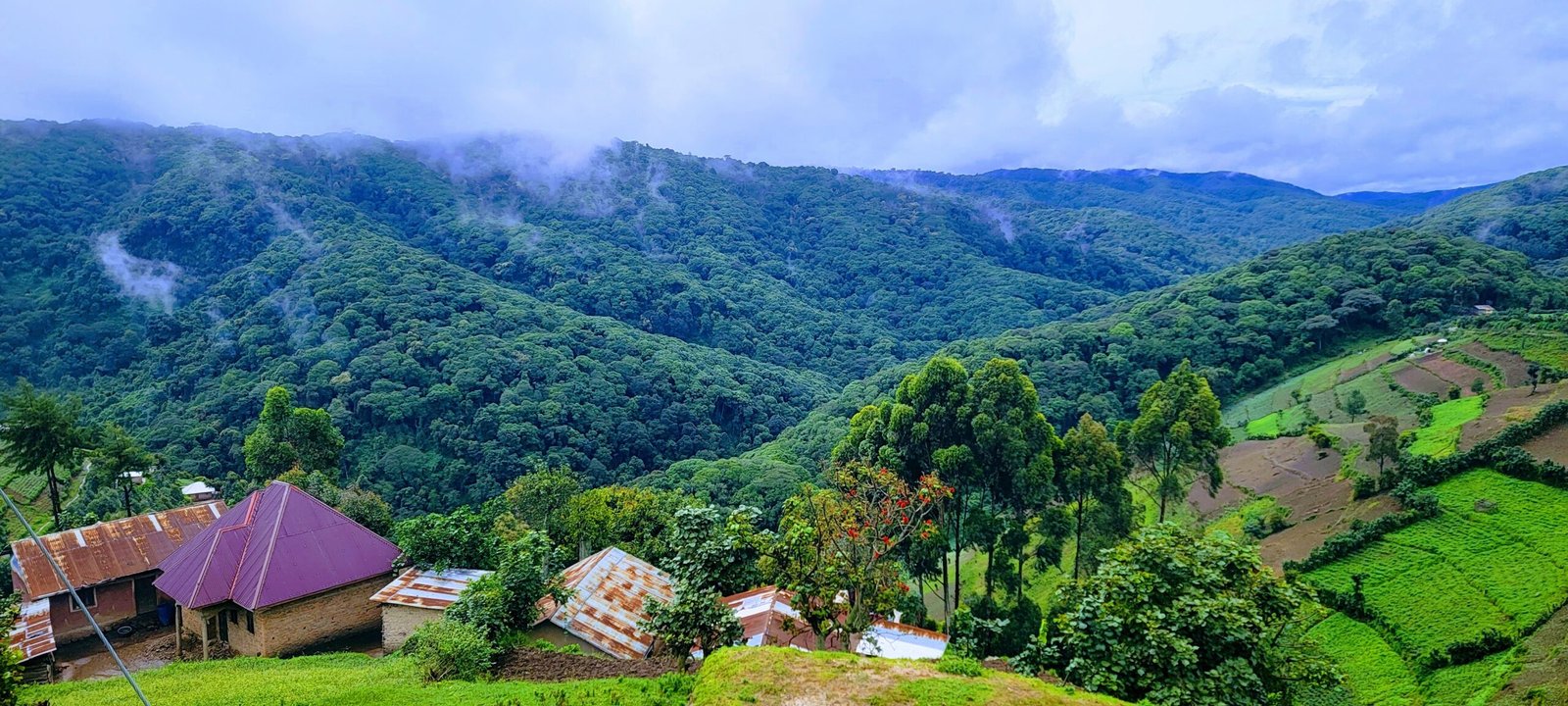
Uganda has recently upgraded six former wildlife and forest reserves to national park status, marking a major step forward for conservation, biodiversity protection, and sustainable tourism development. These new national parks expand Uganda’s protected area network while creating responsible travel opportunities that support local communities and long-term environmental stewardship.
Table of Contents
This decision positions Uganda as a regional leader in conservation-led tourism and opens exciting new possibilities for travelers seeking authentic, low-impact safari experiences beyond the traditional routes.
Uganda’s Newly Upgraded National Parks Explained
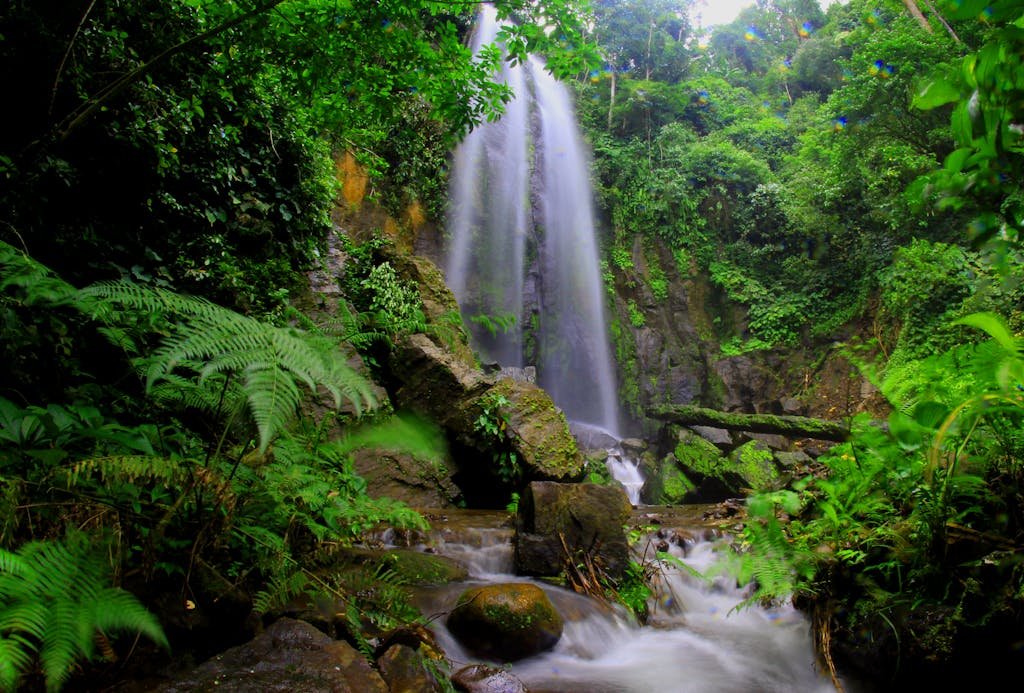
The upgrade of several protected areas to national park status reflects Uganda’s growing commitment to protecting its natural heritage. National parks receive stronger legal protection, improved management, and greater international recognition, helping to safeguard ecosystems that are vital to both wildlife and people.
For travelers, this means access to newly protected landscapes that are quieter, less crowded, and rich in biodiversity. For sustainable operators like Amatsiko Tours Uganda, it creates opportunities to design experiences rooted in conservation, cultural respect, and meaningful community engagement.
Conservation, Communities, and Sustainable Tourism Growth
Elevating these reserves to national parks is not just about wildlife protection — it is also about people. National park status helps regulate land use, reduce environmental degradation, and create structured tourism opportunities that benefit surrounding communities.
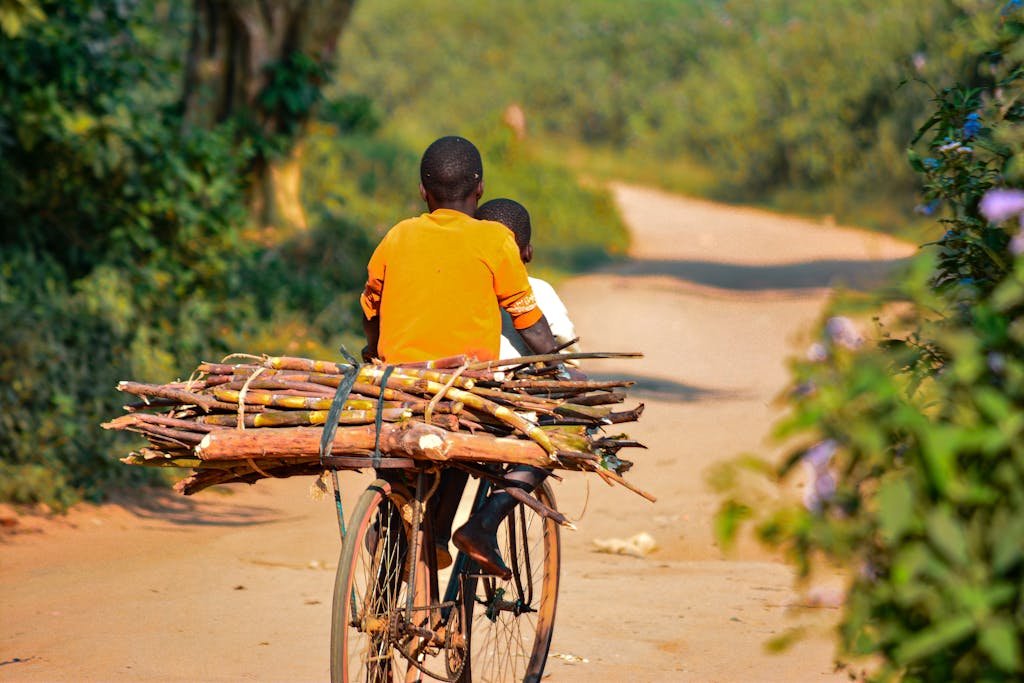
Through community-based tourism in Uganda, local residents can earn livelihoods as guides, rangers, lodge staff, artisans, and conservation partners. This approach ensures that tourism revenue supports education, healthcare, and environmental protection while giving travelers deeper, more authentic connections with the places they visit.
This model aligns closely with global sustainable tourism principles promoted by organizations such as the Uganda Wildlife Authority, the Uganda Ministry of Tourism, and the UN World Tourism Organization.
Overview of Uganda’s New National Parks (2025)
Uganda’s newly upgraded national parks represent a diverse range of ecosystems — from savannah and wetlands to montane forests and lakeshores.
Kigezi National Park
Kigezi National Park protects open savannah landscapes and important wildlife corridors in southwestern Uganda. The upgrade strengthens protection for elephants, antelopes, and predators while offering classic safari scenery in a quieter, emerging destination.
This park has strong potential for guided game drives, photography safaris, and community-linked cultural experiences.
Kyambura National Park
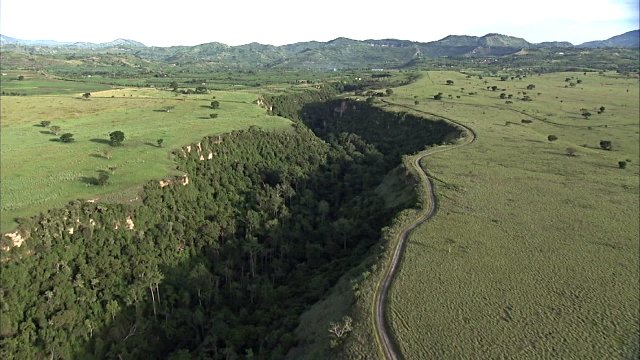
Kyambura National Park is centered around the dramatic Kyambura Gorge, a lush forested valley known for its chimpanzee population. National park status enhances protection for primates and supports regulated chimpanzee trekking and forest conservation.
The park is especially appealing to travelers interested in primate tourism and biodiversity conservation.
Echuya National Park
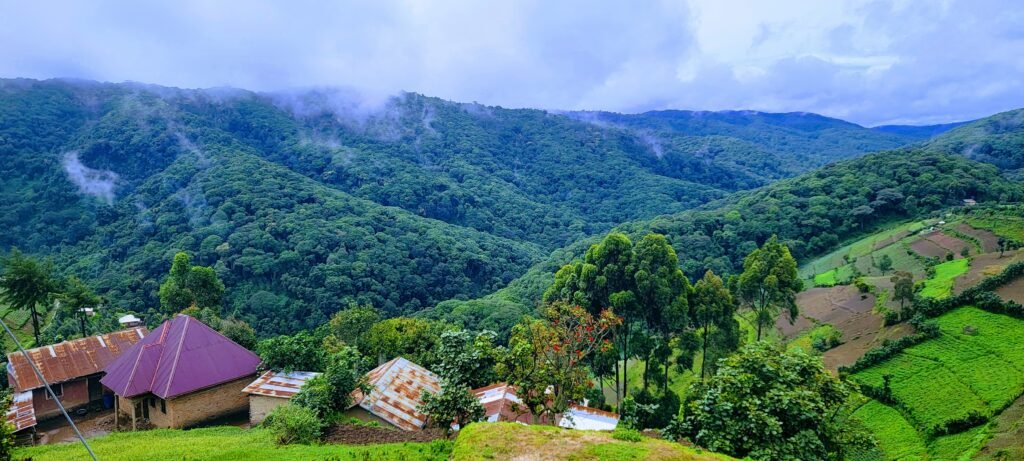
Located within the Albertine Rift, Echuya National Park preserves ancient montane forest ecosystems with exceptionally high biodiversity. It is an important site for birdwatching, forest walks, and conservation research.
The upgrade helps protect rare species while promoting low-impact tourism in a fragile but ecologically critical area.
Bukaleba National Park
Bukaleba National Park lies along the shores of Lake Victoria, combining wetlands, woodlands, and freshwater ecosystems. The park plays a vital role in bird conservation and offers opportunities for nature walks, birding, and lakeside experiences.
Its location makes it an accessible destination for travelers seeking peaceful nature experiences close to major transport routes.
Katonga National Park
Katonga National Park protects wetlands and grasslands along the Katonga River system. These habitats are essential for birdlife and wetland biodiversity.
The park is emerging as a serene destination for birdwatching, guided walks, and conservation-focused travel.
Toro National Park
Formerly a wildlife reserve, Toro National Park features woodland savannah, rivers, and diverse wildlife in western Uganda. The upgrade improves habitat protection and creates new opportunities for sustainable tourism development in the region.
Sustainable Safari Experiences Beyond the Classic Routes
Uganda’s new national parks invite travelers to move beyond the well-known safari circuits and discover lesser-visited landscapes. These destinations offer quieter encounters with nature, deeper cultural engagement, and a reduced environmental footprint.
By choosing Uganda safari experiences that focus on conservation and community benefit, travelers help distribute tourism more evenly across the country while protecting its most valuable ecosystems.
How Community-Based Tourism Supports Conservation
At Amatsiko Tours Uganda, sustainable tourism is at the heart of every journey. Tours to Uganda’s new national parks prioritize local guides, small-scale eco-friendly accommodation, and respectful cultural exchange.
This approach ensures that tourism revenue stays within local communities and directly supports conservation initiatives. By practicing responsible travel experiences, visitors become active partners in protecting Uganda’s natural and cultural heritage.
FAQs About the New National Parks in Uganda
How many new national parks are there in Uganda?
Uganda has upgraded six former forest and wildlife reserves to national park status, expanding its protected areas and strengthening conservation efforts nationwide.
Why did Uganda upgrade these areas to national parks?
The upgrades aim to improve biodiversity protection, prevent habitat loss, and promote sustainable tourism models that benefit local communities and ecosystems.
Are Uganda’s new national parks open to tourists?
Yes. Most of the newly designated national parks are open to visitors, with activities such as guided nature walks, birdwatching, primate tracking, and cultural tourism gradually expanding.
What makes these parks important for sustainable tourism?
These parks encourage low-impact travel, community participation, and conservation funding, ensuring tourism benefits both nature and local people.
How can travelers visit Uganda’s new national parks responsibly?
Travelers can choose ethical operators like Amatsiko Tours, respect park regulations, support local businesses, and minimize environmental impact during their visit.
Final Thoughts
Uganda’s newly upgraded national parks mark a powerful shift toward conservation-led tourism. By protecting biodiversity and empowering communities, these parks offer travelers the chance to explore the Pearl of Africa in a way that is meaningful, responsible, and future-focused.
For those seeking authentic connections with nature and people, Uganda’s newest national parks represent the next chapter in sustainable African travel.