
Horns of Dawn: The Ankole Cow Milking Experience in Uganda
Let me take you to a quiet Ugandan morning where the world feels soft and unhurried.
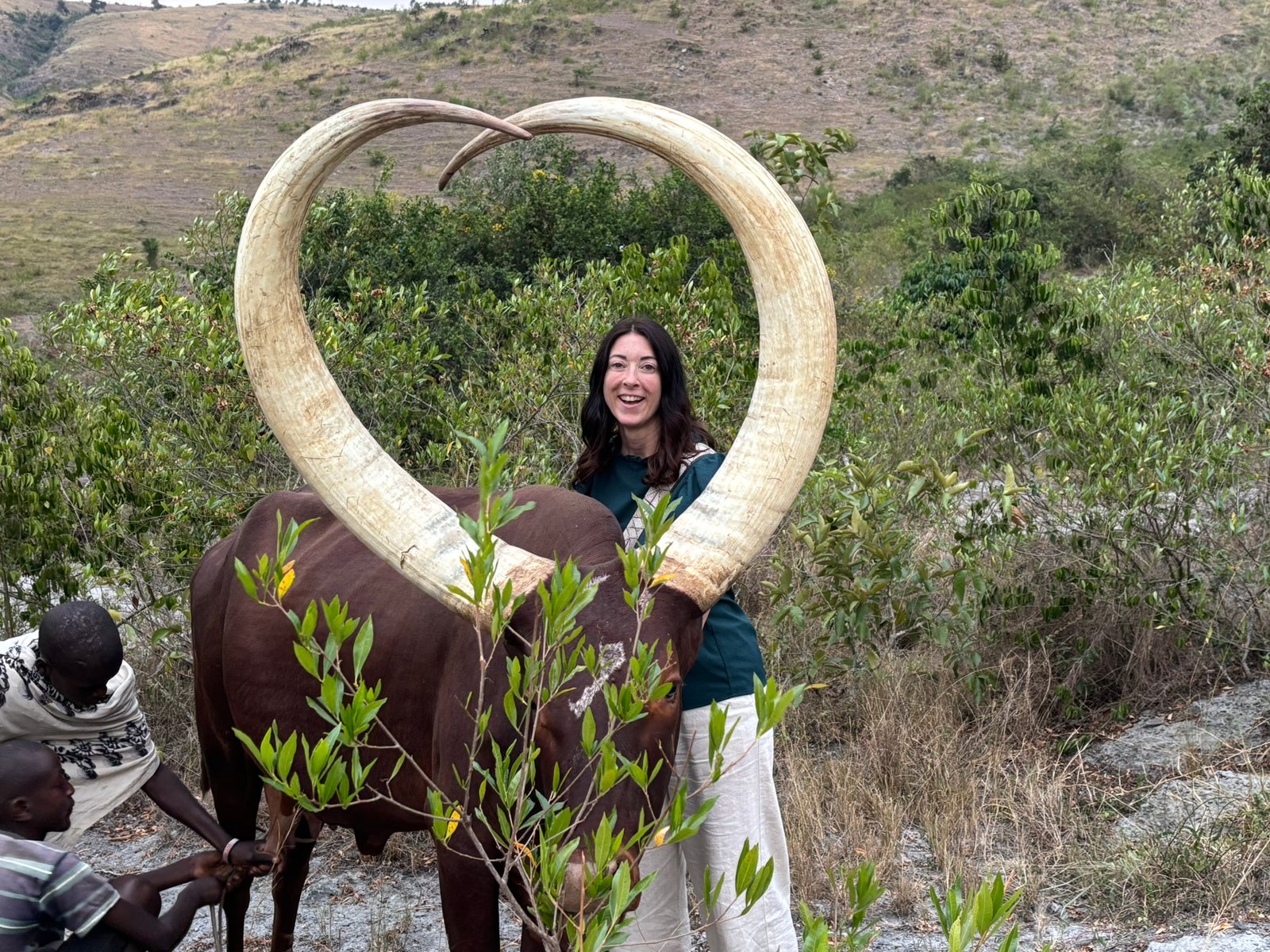
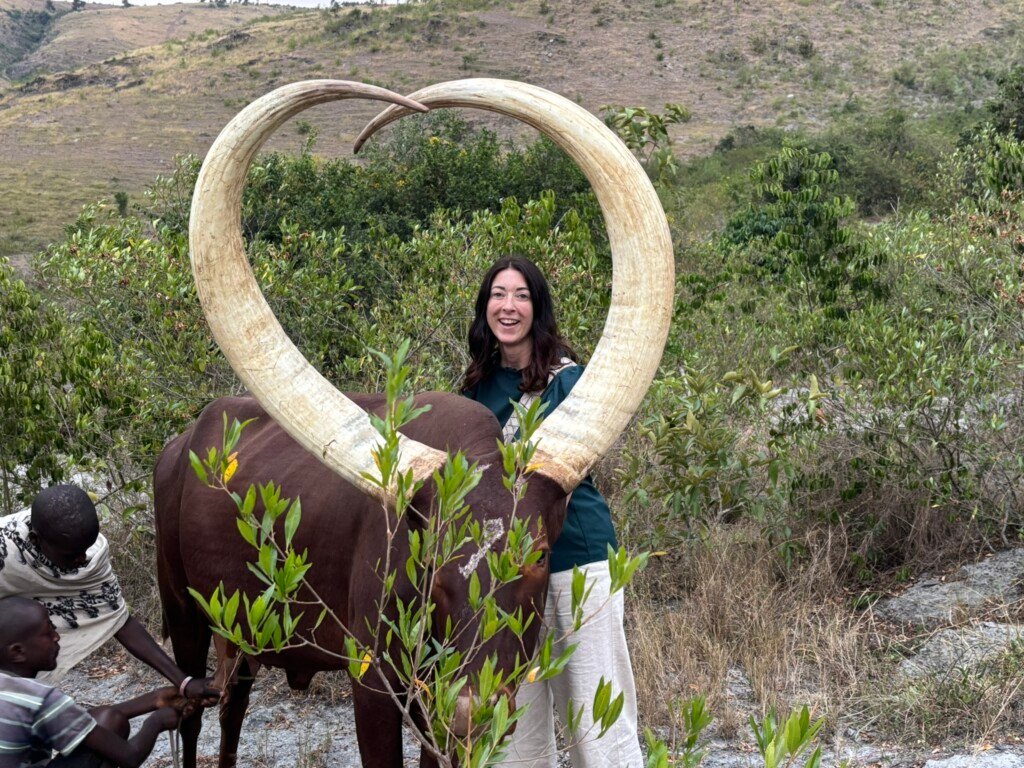
The sky is still a pale watercolor, the earth smells cool and sweet, and in the distance, the silhouettes of Ankole cattle—their spectacular crescent-shaped horns rising like royal crowns—begin to glow with the first touch of sunrise.
Table of Contents
This is the Ankole cow milking experience, a rare and soul-stirring window into the pastoral life of the Banyankole people, who have cared for these magnificent long-horned cattle for centuries. Here, milking isn’t just a task. It’s a ritual. A moment of gratitude. A connection between people, land, and animals that has shaped local identity for generations.
And when you join this intimate ritual respectfully and responsibly, you aren’t just witnessing culture—you’re helping preserve it.
Quick Overview of the Ankole Cow Milking Experience
- Learn traditional Banyankole milking techniques
- Hand-milk the iconic long-horned Ankole cattle at sunrise
- Walk with local herders and hear their stories
- Discover how milk becomes ghee, eshabwe, or yogurt
- Understand the cultural symbolism of Ankole cows
- Support conservation and community-based tourism
The Story: Inside the Ankole Cow Milking Experience
1. Dawn on the Farm – The World Wakes Slowly
The experience begins just before sunrise, when the land is still wrapped in blue-grey mist. As you walk toward the kraal, you’ll hear the soft clinking of cowbells, the low hum of herders beginning their day, and the gentle rustle of cattle shifting their weight.
The Ankole cows stand tall and elegant, their enormous horns curving toward the sky like natural sculptures. When they breathe, you see faint clouds rise into the cool morning air. There’s a calmness here—an energy that feels sacred.
A herder named Isaac might welcome you with a warm smile, a wooden bucket, and a quiet, reassuring laugh. “Don’t worry,” he says. “They can feel if your heart is gentle.”
2. Learning the Ritual – A Dance Between Hands and Rhythm
Milking an Ankole cow is not rushed. It’s done with respect and intention.
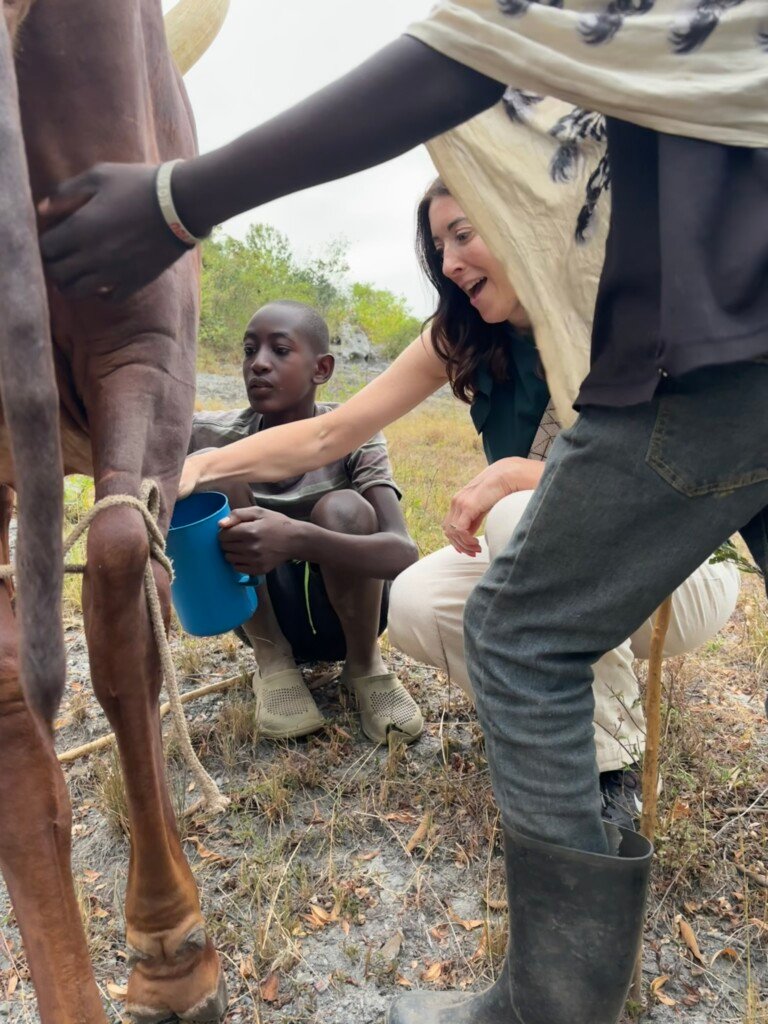
You kneel beside the cow, feel the warmth of her flank, and hear her breath as she chews softly on fresh grass. Isaac shows you how to rest your forehead gently against the cow’s belly—a traditional gesture that calms both you and the animal.
The milk flows in warm streams into the bucket, frothy and fragrant. The sound is rhythmic, almost meditative. It’s easy to lose yourself in the moment.
Sustainability is woven into everything here. You notice metal buckets instead of plastic. You refill your water bottle at the farm rather than opening a new one. And because this experience is community-led, every visit directly supports local families who have carried this knowledge for generations.
3. Stories by the Fire – Culture Comes Alive
After milking, you gather with the herders around a small fire. This is where the magic deepens.
They tell you how Ankole cattle are more than livestock—they’re heritage. They’re used in blessings, marriages, and songs. Their horns appear in dance, their milk in ceremonies, their presence in every chapter of pastoral life.
You might hear about the ancient practice of naming cattle, where each cow’s name reflects its beauty, pattern, or personality. You might listen to stories of droughts overcome, herds protected, and how community tourism now helps preserve the breed from disappearing.
The moment is simple… but powerful.
4. From Milk to Flavor – Tasting the Traditions
The fresh milk you helped collect is then processed the traditional way.
You may learn how the milk is kept in enkoko (gourd containers), how it ferments naturally, and how it transforms into:
- Eshabwe: a creamy white sauce served at ceremonies
- Ghee: rich, golden, and deeply aromatic
- Yogurt: smooth, tangy, and served in generous calabashes
Tasting these flavors feels like tasting history itself—rich, pure, and deeply rooted in the land.
5. The Walk to the Pastures – Following the Rhythm of Life
As the sun climbs higher, the herders lead the cattle to graze. The shadows stretch long. The horns glisten. The air fills with the scent of wild grass.
Walking alongside the herd is a grounding experience. You feel the slow pulse of pastoral life, the harmony between people and land, and the quiet resilience that defines rural Uganda.
And as you leave, Isaac’s words stay with you:
“Cattle teach us patience. They teach us to listen.”
Travel Kindly: How to Leave a Positive Footprint
- Choose community-led experiences like this one to support local families.
- Bring a reusable bottle and avoid single-use plastics on the farm.
- Ask before taking photos—especially of people, children, or inside kraals.
- Buy local dairy products to support small-scale farmers.
- Walk slowly and quietly around the cattle—they respond to calm energy.
Final Wrap-Up: A Journey That Stays With You
The Ankole cow milking experience isn’t just an activity.
It’s a gentle invitation to slow down, breathe, and connect with a living tradition that has shaped Uganda’s pastoral heart for centuries.
It reminds us why we travel:
To learn, to feel, to share moments that make the world a little richer—for us and for the communities who welcome us.
If you ever travel to southwestern Uganda, don’t miss this dawn encounter with the long-horned giants of the savannah. And when you go, I’d love to hear your story.
📌 Useful Info Box
Best Time to Visit:
Dry seasons (June–August and December–February) offer the clearest dawns.
Location:
Southwestern Uganda—often near Mbarara, Bushenyi, or cultural villages like Nshenyi.
Duration:
2–3 hours (starting just before sunrise).
Recommended Ethical Operator:
Amatsiko Tours — community-based, conservation-friendly experience.
What to Bring:
Closed shoes, long trousers, light jacket, reusable water bottle.
❓ Frequently Asked Questions About the Ankole Cow Milking Experience
1. What is the Ankole cow milking experience?
The Ankole cow milking experience is a cultural tourism activity in southwestern Uganda where visitors join local herders at sunrise to hand-milk the iconic long-horned Ankole cattle. It’s an immersive way to learn traditional Banyankole techniques, listen to pastoral stories, and understand why these majestic cows are treasured symbols of heritage.
2. Where does the Ankole cow milking experience take place?
Most experiences happen in southwestern Uganda, especially around Mbarara, Bushenyi, Ntungamo, and cultural villages such as Nshenyi. Several community farms and local tour operators, including Amatsiko Tours, offer authentic, family-led versions of this tradition.
3. Are Ankole cows friendly and safe to milk?
Yes—Ankole cows are known for their calm, gentle temperament, especially when handled by experienced herders. During the experience, you are always guided step-by-step by professionals who know the cows intimately. As long as you move calmly and respectfully, the activity is safe and peaceful.
4. Why are Ankole cows culturally important?
To the Banyankole people, Ankole cattle represent wealth, identity, beauty, and social pride. Their milk is used during ceremonies, their horns appear in dances and symbolism, and many families pass down traditional herding knowledge through generations. Participating in this experience helps preserve this heritage.
5. What should I wear for the milking experience?
Wear closed shoes, comfortable trousers, and a light jacket for the cool dawn hours. Avoid bright colors or loose, flapping clothing. Bringing a reusable water bottle and a hat for when the sun rises is also recommended.
6. Can children participate in the Ankole cow milking activity?
Yes, many farms allow children to join as long as they are supervised. It can be an educational and memorable cultural lesson. Always check with the operator beforehand regarding age guidelines.
7. What products are made from Ankole cow milk?
Ankole milk is rich and flavorful, used to produce:
- Eshabwe (a ceremonial white sauce)
- Ghee
- Traditional yogurt
- Fresh milk served in gourds
You may get to taste some of these during the experience.
8. Is this experience sustainable and ethical?
Absolutely—when done through community-led operators. Your participation supports traditional herders, helps conserve the Ankole breed, and ensures that cultural knowledge remains alive. The activity is done with deep respect for the animals and the families who depend on them.
Ready to Feel the Magic of Dawn in Uganda?
If your heart is craving a journey that’s real, grounding, and beautifully human, then the Ankole cow milking experience is waiting for you. Step into the sunrise, meet the herders, touch the heartbeat of Banyankole culture — and create memories you’ll carry forever.
👉 Book your Ankole Cow Milking Experience today and become part of a living tradition.
Your visit supports local families, preserves heritage, and brings you closer to the soul of Uganda.




One Comment