Where Your Gorilla Trek Money Goes: The Real Story Behind Uganda’s Mountain Gorillas
Follow the Money Trail
At a Glance
Uganda’s gorilla safaris support conservation and local communities.
Table of Contents
Gorilla trekking fees benefit the Uganda Wildlife Authority and local projects.
Responsible tourism includes local ownership and transparent contributions.
Trekking involves steep, dense terrain and requires preparation.
Conservation efforts have increased Uganda’s gorilla population.
Uganda is home to around half of the world’s remaining mountain gorillas, but the real story begins long before you meet one in the forest. Your gorilla trek is part of a much bigger journey one that connects your permit to conservation, your guide and porter to local livelihoods, and your stay to communities living around Bwindi. The choices you make as a traveler can help strengthen that connection. So, rather than simply telling you how to see gorillas in Uganda, I want to show you what happens behind the experience and where your money can make a difference.
We run our tours from Kabale, in southwestern Uganda. Alex and Alphonse, our founders, grew up here. They know the trails, the communities, and many of the park rangers by name. That local knowledge shapes the way we design our trips and the people we choose to work with. It also means that our commitment to community support is something we can put a name and a place to: Amatsiko School in Kabale, which serves more than 400 children. When you visit, you can see the school for yourself, meet the people behind it, and understand where this part of your travel contribution goes.
What Gorilla Trekking in Uganda Actually Involves
Gorilla trekking in Uganda means heading into the forests of Bwindi Impenetrable National Park or Mgahinga Gorilla National Park with a Uganda Wildlife Authority ranger and local guides who know the terrain and the gorilla families they are following. Some treks may take only a few hours, while others can stretch much longer depending on where the gorillas have moved that day. Once you find your habituated family, you normally have one precious hour to sit quietly and observe them. In Bwindi, elevations range from roughly 1,160 to 2,607 metres, so expect steep slopes, thick vegetation, muddy trails, and a proper workout—but that is also part of what makes reaching the gorillas so memorable.
The permit costs USD 800 per person for foreign non-residents. That fee goes to UWA, and a portion is redistributed to surrounding communities. It’s not cheap, and it shouldn’t be. The permit system limits daily trekking numbers, which directly reduces pressure on gorilla families.
If you’re thinking about how to plan a gorilla tracking safari in Uganda, start with the permit. Availability is limited, especially during the dry seasons (June to September and December to February). Book months ahead. We handle permit acquisition as part of our 7-day gorilla trekking and safari itinerary, which takes the guesswork out of timing and logistics.
Honestly, the trek itself can be physically demanding. Bring waterproof boots, long sleeves, and garden gloves for gripping vegetation on steep slopes. Our packing guide for Uganda covers the specifics.
Responsible Tourism Uganda: How to Tell the Real Thing
Uganda is home to a significant share of the world’s remaining mountain gorillas, and their numbers have increased over the past two decades. Can you follow the money from your booking to a named school, a specific conservation program, a community you can visit? If the answer is vague, the commitment probably is too.
Here’s what to look for:
Named beneficiaries. Not “we support local communities.” Which community? What project? We fund Amatsiko School directly, and you can visit it during your trip.
Local ownership. Our team is from Kabale. Guides, drivers, hosts. The income stays here.
Consent-led cultural visits. Community encounters should be briefed, voluntary, and reciprocal. Not performances.
Transparent cost breakdowns. You should know what covers the permit, what covers guiding, what goes to conservation, and what covers operations.
Sustainable gorilla tracking in Uganda means choosing operators who can answer those questions without hesitation.
Gorilla Conservation Uganda: Where Permits and Community Funding Intersect
Uganda now shelters 51% of the world’s mountain gorillas. That number has climbed over the past two decades, and it didn’t happen by accident. Gorilla conservation in Uganda depends on a model where tourism revenue directly funds anti-poaching patrols, habitat monitoring, and community benefit-sharing.
UWA manages Bwindi Impenetrable National Park, Uganda’s primary gorilla trekking destination and home to a significant share of the world’s remaining mountain gorillas, across roughly 331 square kilometres of montane forest. The park sits within a landscape where farming communities live close to the forest boundary, making the relationship between conservation and local livelihoods especially important. Tourism revenue, when shared through established community programmes and spent locally, can help create a stronger economic reason to protect the forest and the wildlife within it.
When you book with a locally owned operator, more of your travel spending can remain within the local economy. Your guide earns a local income, your accommodation supports its staff and suppliers, and choosing locally made services or experiences can benefit families and small businesses around the park. If you visit a Batwa community, choose an experience that is community-led and based on consent, so that the people sharing their culture and knowledge have a meaningful role in the experience and benefit from it.
The best time to visit Uganda for gorilla tracking is during the drier months, June through September or December through February, when trails are more manageable. But gorilla trekking runs year-round, and the wet season (March to May, October to November) brings fewer crowds and the same gorillas.
Choosing Lodges and Guides That Align with Your Values
Not all lodges around Bwindi Impenetrable National Park operate the same way. Some are internationally owned, while others are locally built, locally staffed, and locally supplied. If keeping more of your travel spending within the local economy matters to you, ownership and sourcing are worth asking about before you book.
Ask these questions before booking:
Factor | What to look for |
|---|---|
Ownership | Locally founded and managed |
Staff | Guides, cooks, and drivers from surrounding communities |
Supply chain | Food sourced from nearby farms, not imported |
Waste management | Composting, water treatment, minimal single-use plastic |
Community contribution | Named projects with verifiable outcomes |
We work with family-run lodges near Bwindi and Lake Bunyonyi that meet these criteria. Our 10-day African safari Uganda itinerary includes stays at properties where the owner lives on site and and staff are recruited from surrounding communities.
Reducing waste on safari is simpler than you’d think. Carry a reusable water bottle (most lodges can refill it). Skip individually wrapped snacks. Use a headlamp instead of disposable batteries. These are small things, but they compound across thousands of visitors per year.
What to Expect on a Gorilla Tracking Safari in Uganda
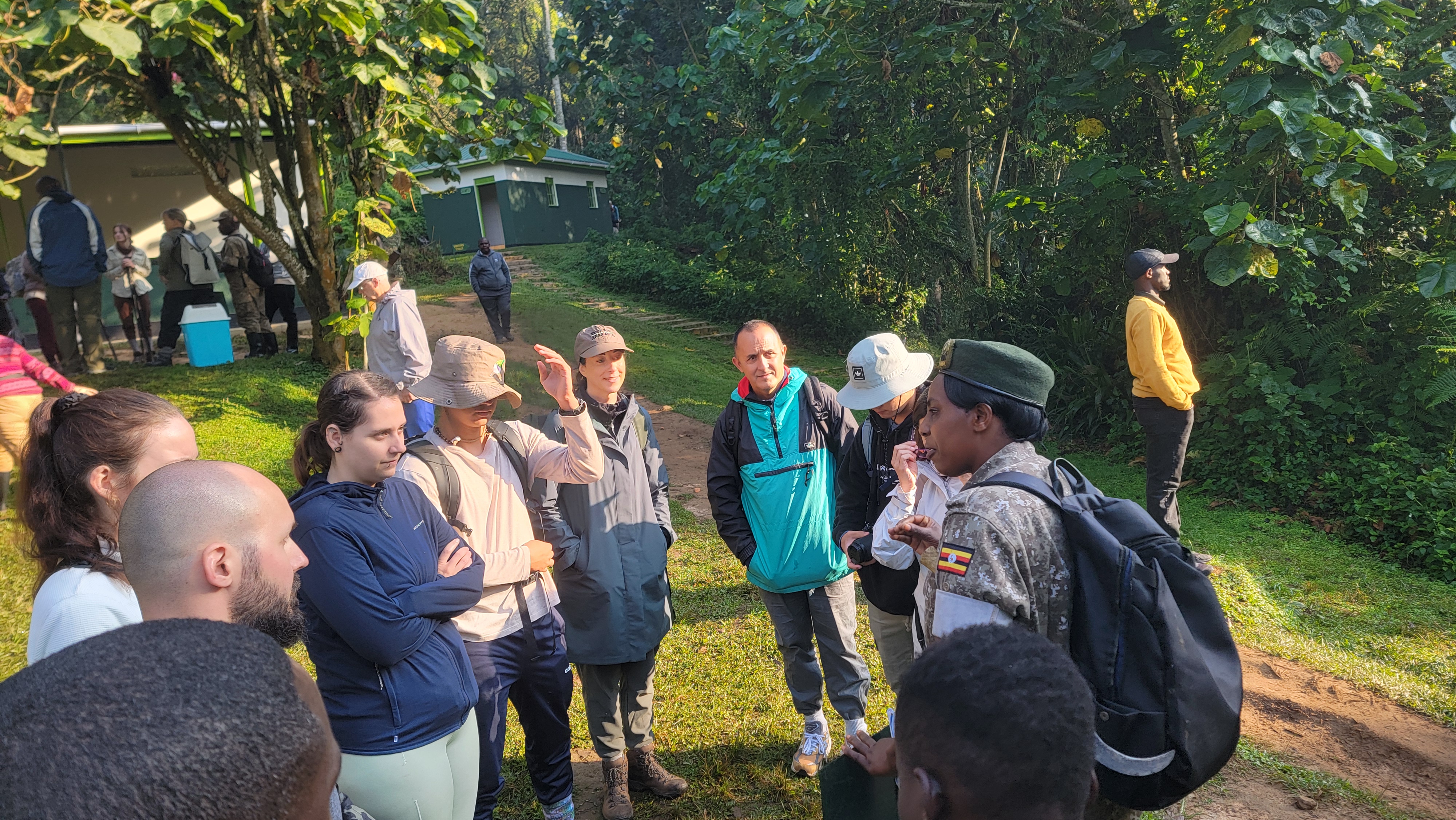
The morning starts early. You’ll gather at the park headquarters for a briefing from UWA rangers before heading into the forest. Groups are assigned to specific gorilla families, and the ranger explains the viewing rules, including keeping the recommended distance from the gorillas, avoiding flash photography and not eating near them. Gorillas share more than 98% of their genetic sequence with humans, which is one reason infectious diseases that affect people can also threaten them. If you’re unwell, especially with a respiratory illness, follow the park’s health guidance and don’t trek.
Then you walk. The forest floor is uneven, tangled with roots, and often muddy. Porters (hired from the local community, around USD 20 per day) carry your daypack and help you over the rough sections. Hiring a porter is one of the most direct ways your money reaches a local family.
When you find the gorillas, it’s quiet. That’s the part that surprises people. No drama. A silverback pulling apart a vine to eat. A juvenile rolling down a slope. A mother nursing. You watch for one hour. The rangers time it. And then you leave.
What to expect on a gorilla tracking safari in Uganda is hard to convey in words. I’d say this: it’s the quietest powerful experience you’ll have. Your mileage may vary, but most people come back from that hour in the forest changed in a way they can’t quite articulate.
Uganda Travel Tips for a Responsible Visit
Practical guidance for responsible practices for gorilla trekking in Uganda, and for the rest of your trip:
Permits: Book 3 to 6 months ahead for peak season. We secure permits as part of your safari package.
Health: Yellow fever vaccination requirements depend on your travel history and current Ugandan entry regulations. Check the latest requirements before you travel, and speak with a qualified travel-health professional about recommended vaccinations.
Visas: Many travelers need a Ugandan tourist visa and should apply online before arrival. Check the latest immigration requirements for your nationality before booking your trip.
Currency: Ugandan shilling. USD accepted widely, but carry small denominations. Our money exchange guide covers the details.
Cultural respect: Ask before photographing anyone. Dress modestly in rural areas. Learn a few words of Rukiga or Luganda. People notice, and they appreciate it.
Uganda travel tips that actually matter tend to be the unglamorous ones. Bring a rain jacket even in dry season. Tip your porter and guide directly. And don’t rush the cultural visits. Sit down. Have tea. Listen.
Community Conservation Uganda: The Model That Works
Community conservation in Uganda isn’t an abstract policy. It can mean a child gaining access to school, a local family earning income from tourism, a community member sharing knowledge and culture on their own terms, or a ranger earning a living protecting the forest. These connections matter because conservation becomes stronger when the people living alongside protected areas can also see meaningful benefits from protecting them.
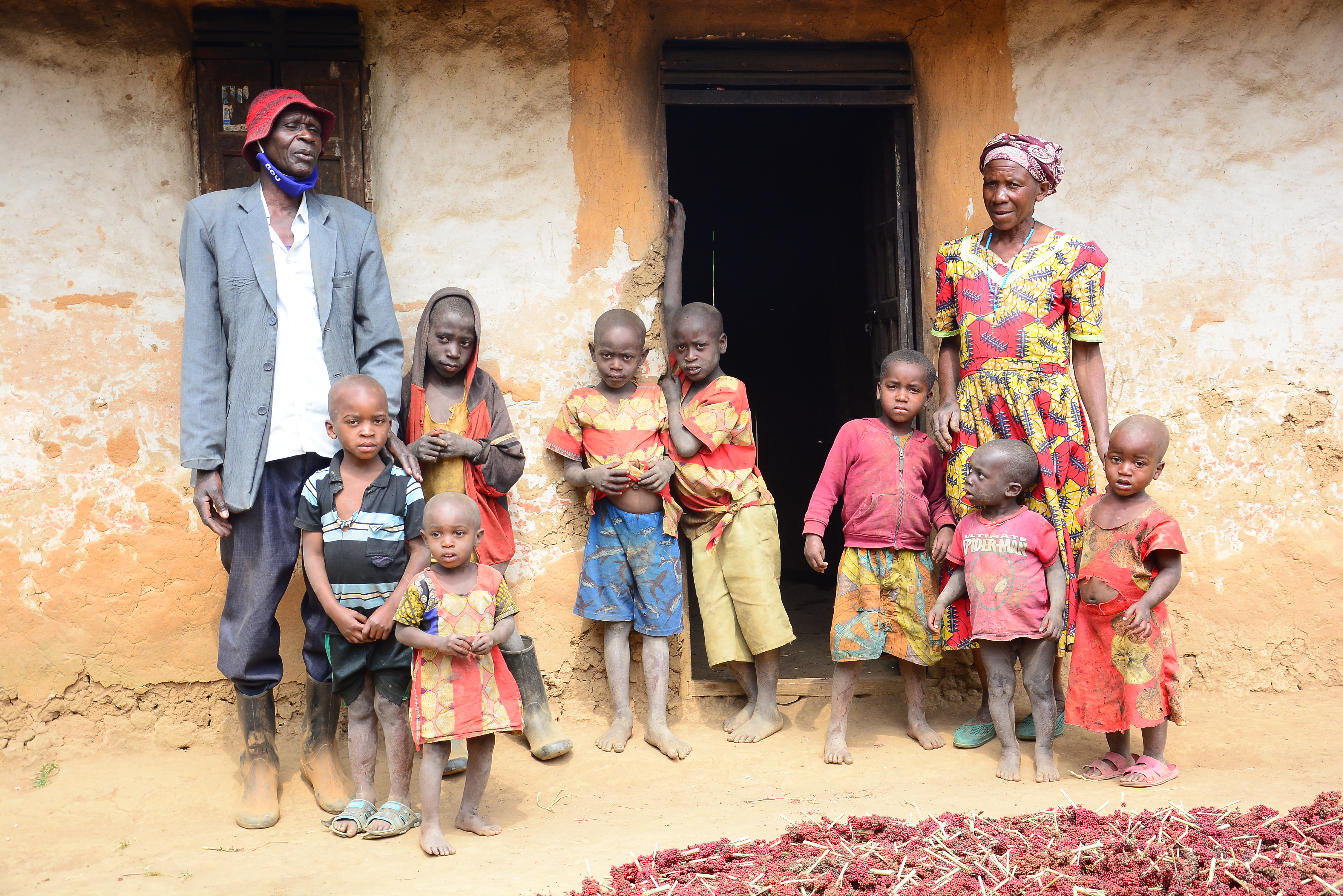
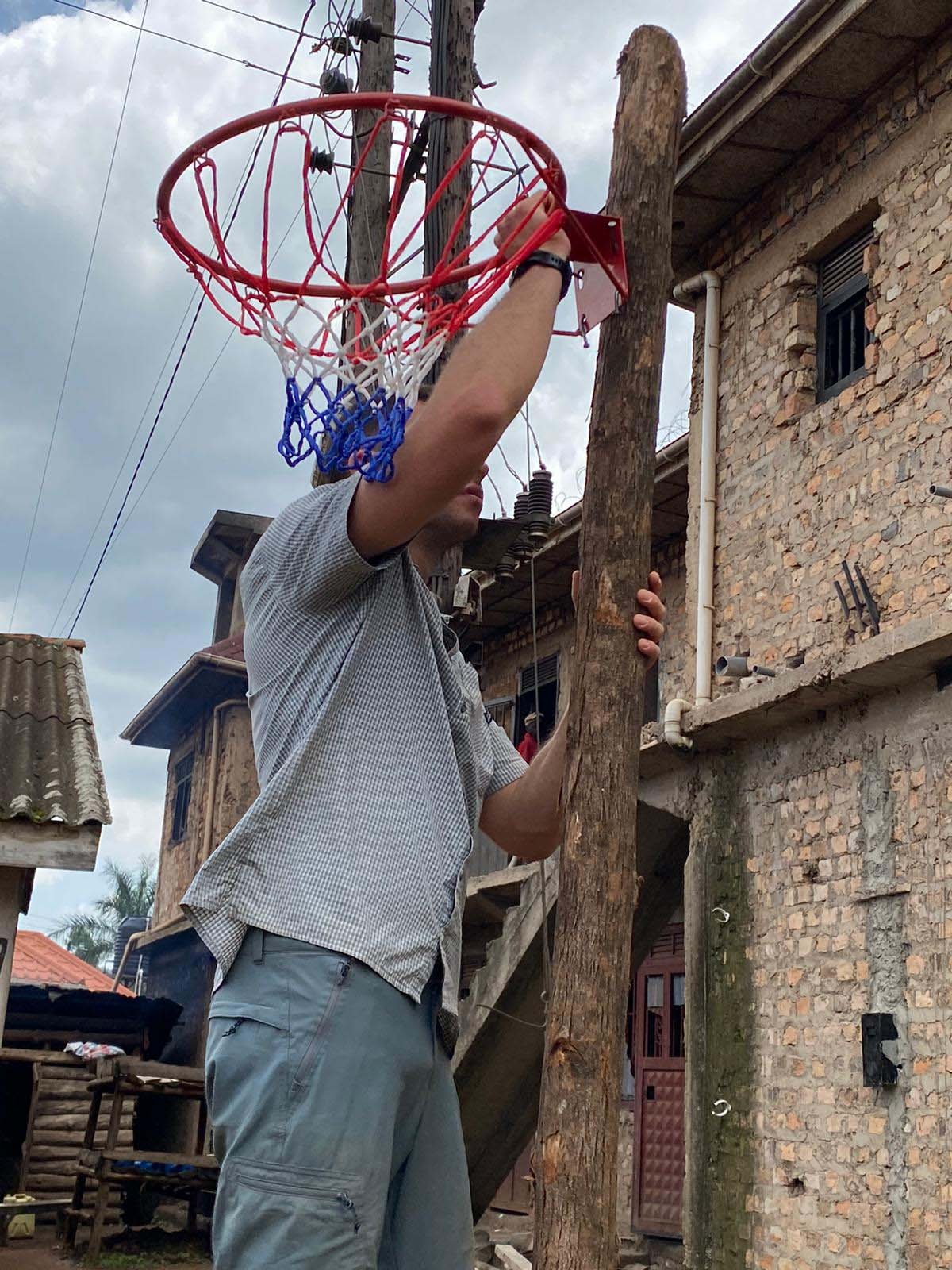
Twenty percent of every fee paid to Amatsiko Tours goes to Amatsiko School, which has provided education, meals, and support to over 400 children in Kabale for 11 years. You can visit the school. You can meet the teachers. That’s community conservation with a name and an address.
A Responsible Safari Starts with One Decision
A gorilla trek in Uganda is much more than an encounter with one of the world’s most remarkable animals. Your permit contributes to the conservation system, your guide and porter earn a living from your journey, your accommodation supports local workers and suppliers, and the choices you make beyond the park can send even more of your spending into the communities around Bwindi. When those connections are made thoughtfully, a once-in-a-lifetime experience can become part of something much bigger.
Ready to experience Bwindi with a local team? Contact us to start planning your gorilla trek and the rest of your Uganda journey.
Frequently Asked Questions
How to plan a gorilla tracking safari in Uganda?
To plan a gorilla tracking safari in Uganda, start by securing a permit, which currently costs USD 800 for foreign non-residents. Booking should be done months in advance, especially for the dry seasons. Consider using a package tour that handles logistics and timing.
What to expect on a gorilla tracking safari in Uganda?
Expect a physically demanding trek through dense forests in Bwindi Impenetrable National Park. The duration varies depending on where the gorilla family is located that day, and once you find them, you normally have one hour with the habituated family. Porters can assist you during challenging sections and are a valuable way to support the local economy.
What are the responsible practices for gorilla trekking in Uganda?
Responsible practices include booking with local operators who support community projects, respecting gorilla viewing guidelines, and engaging in consent-led cultural visits. Understanding where your spending goes can help you make more meaningful choices and support conservation and local communities.
What is the best time to visit Uganda for gorilla tracking?
The best time for gorilla tracking in Uganda is during the dry seasons from June to September and December to February. Trails are more manageable in these months, although gorilla trekking is a year-round activity. The wet seasons offer fewer crowds.
How does gorilla conservation in Uganda work?
Gorilla conservation in Uganda is supported by tourism revenue, alongside government funding, conservation partnerships, research, and community programmes. Tourism helps fund protected-area management and contributes to community benefit-sharing. Choosing a locally owned operator can also help keep more of your spending within the local economy through guides, drivers, accommodation, and other services.
 Powered by TypeHero