10 Incredible Facts: What Is the Difference Between a Gorilla and an Ape? (Ultimate Wildlife Guide)
If you are a wildlife enthusiast, safari traveller, or nature lover planning a trip to East Africa, you may be wondering: what is the difference between a gorilla and an ape? The terms are often used interchangeably, but scientifically they are not the same. All gorillas are apes, but not all apes are gorillas.
Table of Contents
Understanding this distinction enhances your appreciation of primates and makes your safari experiences in Uganda, Rwanda, or the Democratic Republic of Congo even more meaningful. It also deepens your awareness of conservation, evolution, and animal behaviour.
In this ultimate guide, we explore 10 incredible facts about gorillas and apes, explain the key differences between a gorilla and an ape, and share expert insights for travellers who want to connect with wildlife responsibly.
Whether you are trekking mountain gorillas in Bwindi Impenetrable Forest, tracking chimpanzees in Kibale National Park, or planning a primate safari across East Africa, this guide will help you understand what truly sets gorillas apart within the ape family.
In this ultimate guide, we explore the 10 incredible facts about gorillas and apes, explain the key differences, and offer expert insights for travellers who want to connect with wildlife responsibly.
What is the difference between a gorilla and an ape?
1. Understanding the Term “Ape”
Apes belong to a primate group called Hominoidea. They are larger, more intelligent, and socially complex than monkeys. Unlike monkeys, apes do not have tails, and they display behaviours that closely resemble humans.
Apes are divided into two main categories:
- Lesser Apes: Gibbons and siamangs, known for their incredible swinging abilities and smaller size.
- Great Apes: Gorillas, chimpanzees, bonobos, orangutans, and humans.
This means gorillas fall under the great apes, making them part of a broader family of highly intelligent primates.
For more on apes in general, see National Geographic’s Ape Guide.
2. Gorillas: The Gentle Giants of Africa
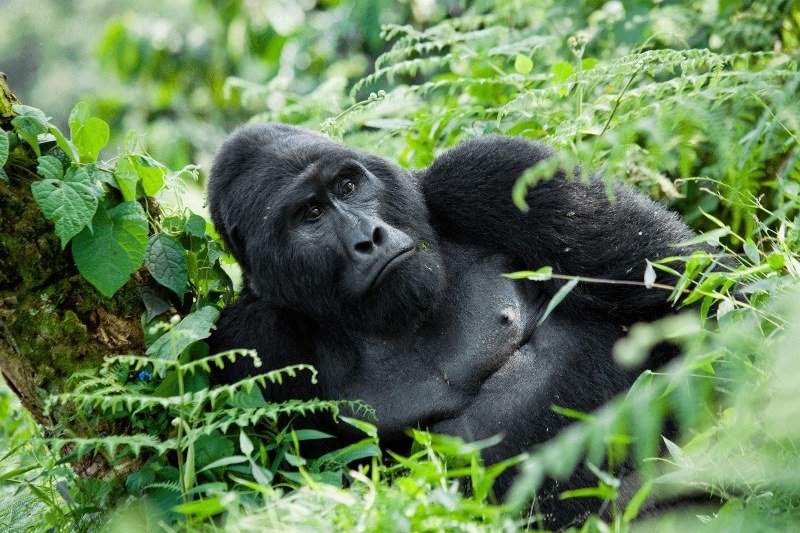
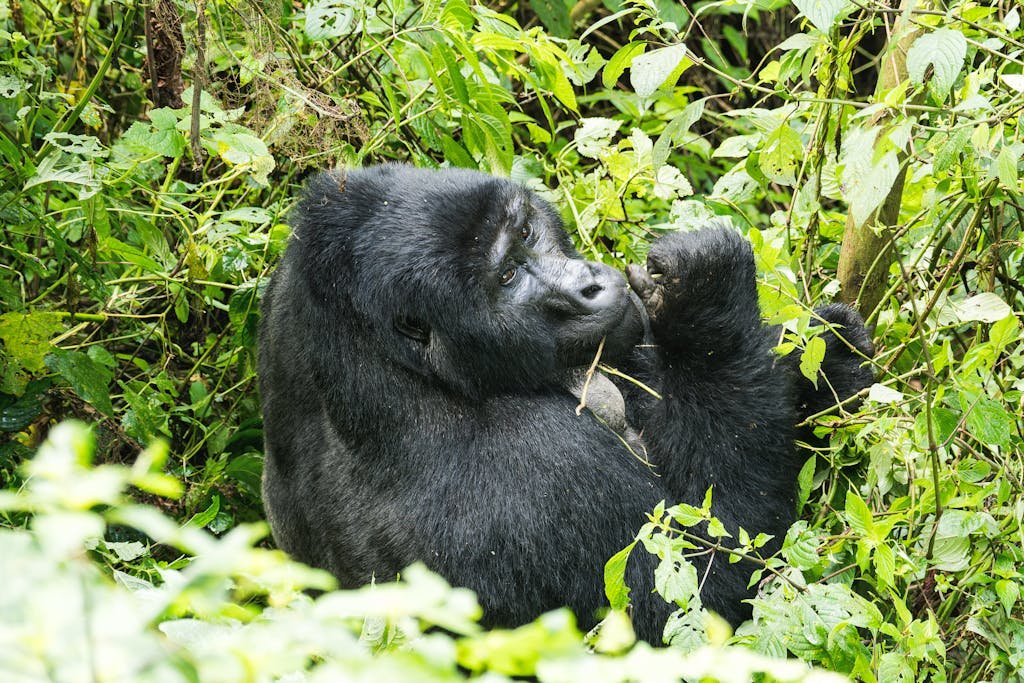
A gorilla is the largest primate on Earth and one of the most fascinating great apes. Gorillas are native to the forests of central and eastern Africa. They are renowned for their strength, calm demeanor, and family-centred social structure led by a dominant silverback male.
There are two species of gorillas, each with two subspecies:
- Eastern Gorilla: Mountain Gorilla and Eastern Lowland (Grauer’s) Gorilla
- Western Gorilla: Western Lowland Gorilla and Cross River Gorilla
Mountain gorillas, which are often the focus of trekking tours in Uganda, Rwanda, and the DRC, are critically endangered but highly treasured by conservationists and travellers alike.
Learn more about gorillas here: World Wildlife Fund – Gorilla Species.
3. Key Difference: Gorilla vs Ape
Understanding the difference boils down to taxonomy:
- Ape: A broad category of primates including chimpanzees, orangutans, bonobos, gibbons, humans, and gorillas.
- Gorilla: A specific type of great ape.
In simple terms: all gorillas are apes, but not all apes are gorillas.
Other distinctions include size, behaviour, habitat, and conservation status. This distinction is critical for wildlife enthusiasts and safari planners.

4. Size and Physical Features
One of the most visible differences between a gorilla and other apes is size and body structure.
Gorillas are the largest primates on Earth. Adult males can weigh up to 220 kilograms (485 pounds) and stand about 1.7 to 1.8 meters tall when upright. They have broad chests, powerful arms, thick necks, and a pronounced sagittal crest on the skull, which supports strong jaw muscles.
Other apes vary significantly in size and appearance:
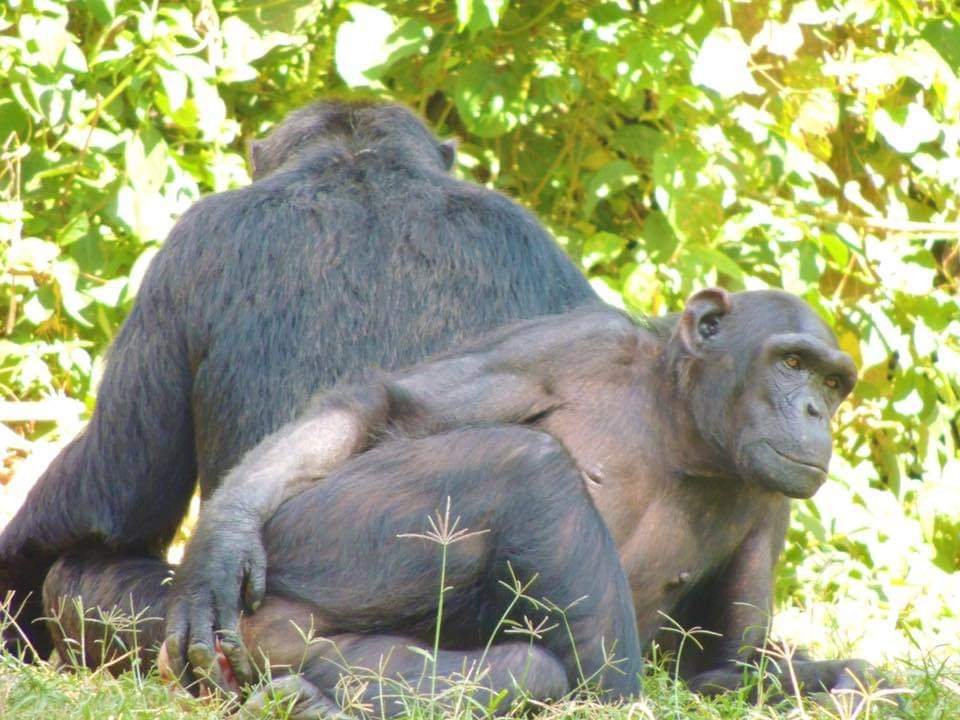
Chimpanzees are slimmer and highly agile
Bonobos are smaller and more graceful
Orangutans have long red-orange hair and long arms
Gibbons are much smaller and built for swinging through trees
Despite their immense strength, gorillas are mostly herbivorous and display calm, gentle behaviour within their family groups.
Fun fact: Despite their immense size, gorillas are mostly vegetarians and exhibit gentle social behaviour.
5. Behaviour and Social Structure
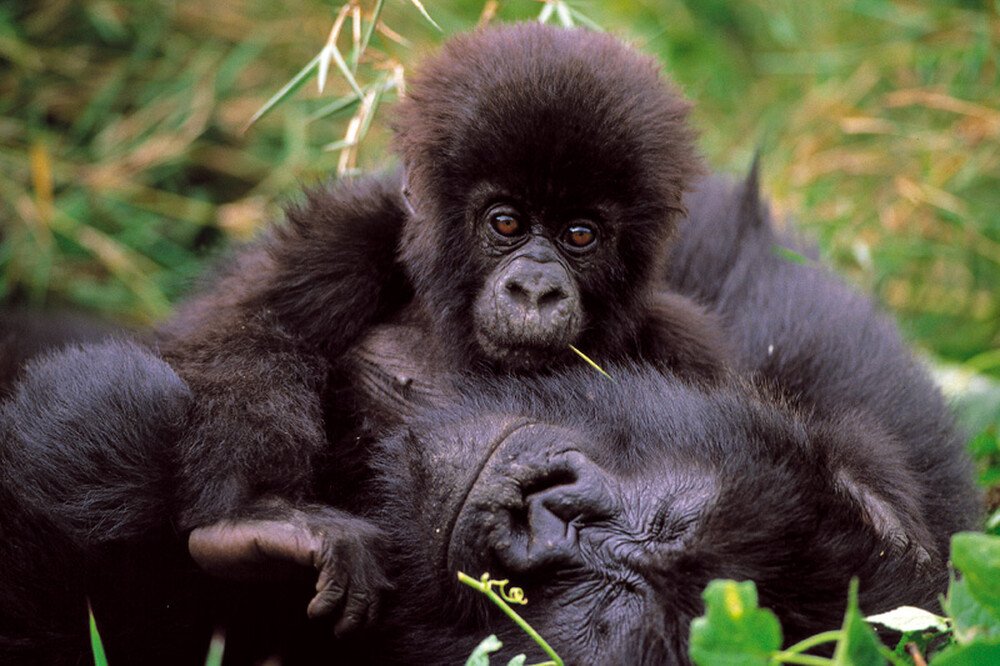
Gorillas live in close-knit family units called troops, led by a dominant silverback male. The silverback protects the group, makes decisions about movement and feeding, and maintains social order.
Gorilla behaviour is generally peaceful. Aggression is rare and usually only displayed when they feel threatened.
In comparison:
Chimpanzees are highly energetic, competitive, and known to use tools
Bonobos are matriarchal, cooperative, and conflict-avoidant
Orangutans are mostly solitary and spend much of their lives in trees
For safari travellers, understanding these behavioural differences helps promote respectful wildlife viewing, especially during gorilla trekking in Uganda and Rwanda..
6. Habitat and Geographic Range
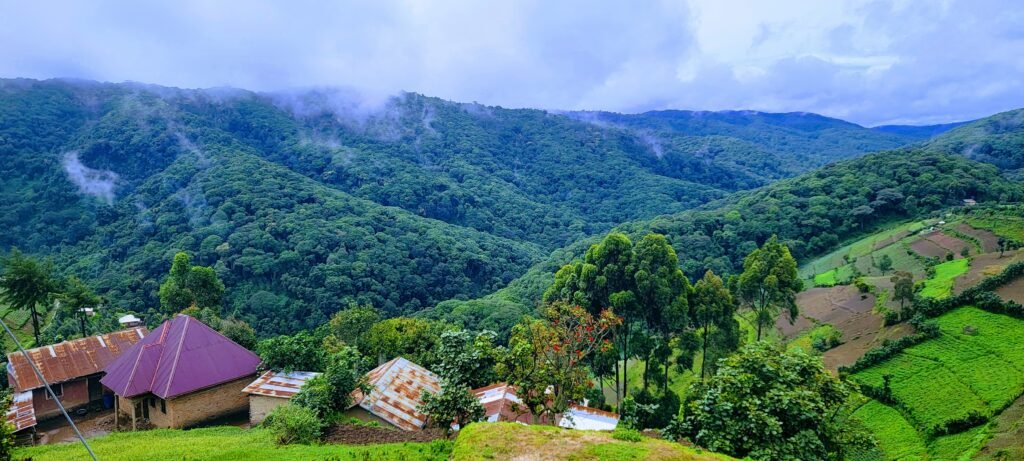
Gorillas are only found in Africa, in tropical forests and mountainous regions:
- Mountain Gorillas: Bwindi Impenetrable Forest (Uganda), Volcanoes National Park (Rwanda), Mgahinga Gorilla National Park (Uganda), Virunga National Park (DRC)
- Lowland Gorillas: Dense forests in central Africa
Other apes have wider ranges:
- Orangutans: Asia (Borneo, Sumatra)
- Gibbons: Southeast Asia
- Chimpanzees and Bonobos: African forests
Tip for travellers: Gorilla trekking in Uganda and Rwanda is among the most unique wildlife experiences because it allows you to witness these gentle giants up close in their natural habitat.
7. Intelligence and Communication
Both gorillas and other apes are highly intelligent. They use facial expressions, gestures, and vocalizations to communicate.
- Gorillas can learn basic sign language and recognize symbols.
- Chimpanzees are tool users and demonstrate problem-solving skills.
- Orangutans show incredible memory and adaptability.
Insight for visitors: Understanding these communication behaviours can enhance your safari experience, making encounters more meaningful.
8. Conservation Status
All gorilla species are endangered or critically endangered, with threats including poaching, habitat loss, and disease.
Conservation efforts rely heavily on tourism:
- Trekking permits fund anti-poaching patrols
- Ranger salaries
- Community development projects
Supporting responsible gorilla tourism directly contributes to the survival of these magnificent animals.
For more information: IUCN Red List – Gorillas
9. Gorillas vs Humans: Evolutionary Connection
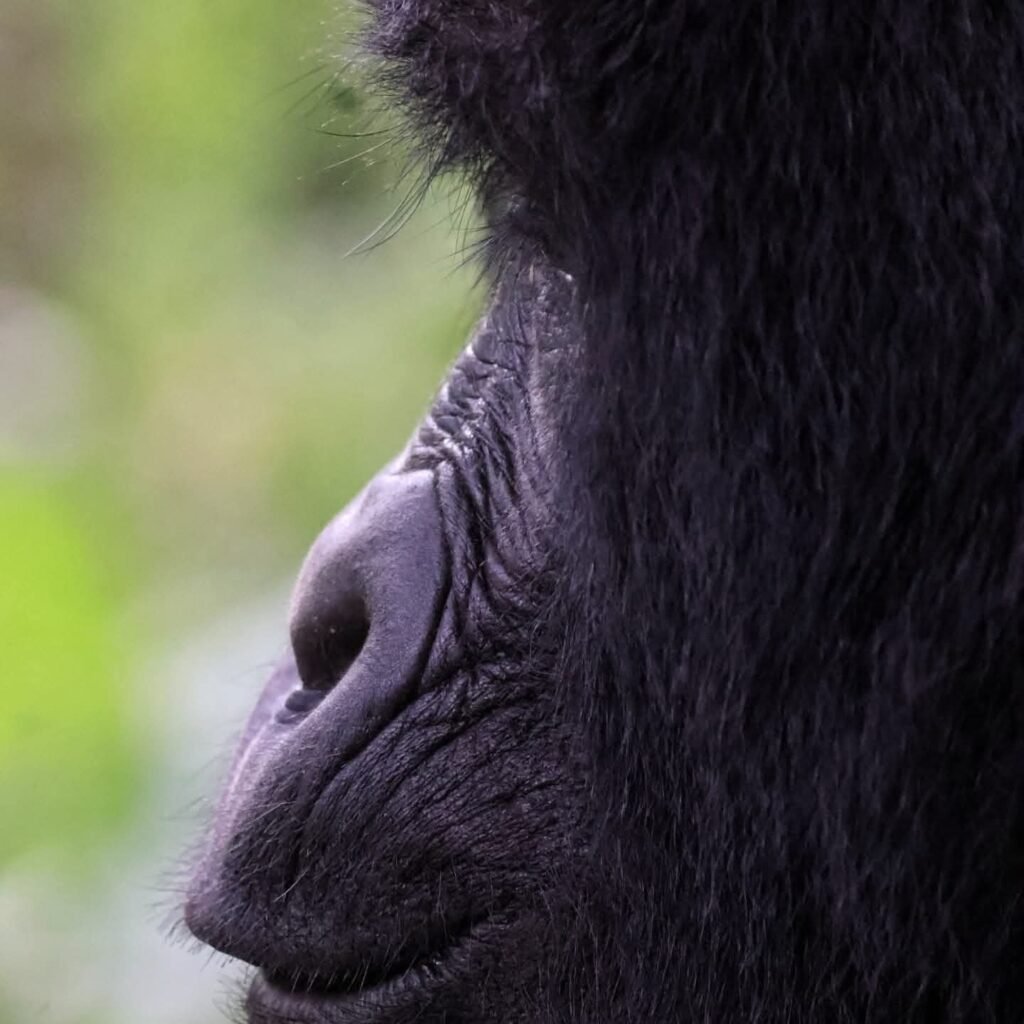
Humans share about 98% of DNA with gorillas, highlighting their close evolutionary relationship. This connection explains many similarities in behaviour and social structure.
- Both species care for family, form social bonds, and display intelligence.
- Gorillas have slower reproduction rates: typically one offspring every 4–6 years, making conservation critical.
Understanding this link adds a deeper appreciation when observing gorillas in the wild.
10. Why Knowing the Difference Matters
For travellers, wildlife enthusiasts, and conservationists, knowing what is the difference between a gorilla and an ape is more than a scientific exercise. It helps you:
- Recognize the uniqueness of gorillas
- Observe them respectfully and safely
- Support conservation with informed awareness
- Appreciate the diversity of primates globally
- Make your safari experience educational and meaningful
Whether you are trekking mountain gorillas in Uganda, visiting orangutans in Borneo, or observing chimpanzees in Kibale National Park, understanding this difference enhances the experience.
Expert Tip for Safari-Goers
Always follow park guidelines, maintain a safe distance, and avoid feeding gorillas. Remember, your responsible behaviour supports their survival.
What Is the Difference Between a Gorilla and an Ape?
The difference between a gorilla and an ape is primarily scientific and taxonomic. An ape is a broad category of primates that includes gorillas, chimpanzees, bonobos, orangutans, gibbons, and humans. A gorilla, on the other hand, is a specific type of great ape.
In simple terms:
All gorillas are apes, but not all apes are gorillas.
This distinction is important for wildlife enthusiasts, conservation supporters, and safari travellers because it clarifies how gorillas fit into the wider primate family and why they are uniquely significant in Africa’s ecosystems.
Why This Difference Matters for Safari Travellers
Knowing the difference between a gorilla and an ape is more than a scientific detail. It helps you:
Appreciate the uniqueness of gorillas as Africa’s largest primates
Understand primate diversity across Africa and Asia
Observe wildlife more respectfully and responsibly
Support conservation with informed awareness
Enhance your overall safari experience in Uganda, Rwanda, and the DRC
For travellers planning gorilla trekking tours in Uganda or Rwanda, this knowledge adds depth and meaning to every encounter with these gentle giants.
Frequently Asked Question between the difference between a gorilla and an ape
FAQ 1: What is the difference between a gorilla and an ape?
The difference between a gorilla and an ape is scientific and taxonomic. An ape is a broad category of primates that includes gorillas, chimpanzees, bonobos, orangutans, gibbons, and humans. A gorilla is a specific type of great ape. In simple terms, all gorillas are apes, but not all apes are gorillas.
FAQ 2: Are gorillas apes or monkeys?
Gorillas are apes, not monkeys. Unlike monkeys, apes do not have tails and are generally more intelligent and socially complex. Gorillas belong to the great apes, a group that also includes chimpanzees, bonobos, orangutans, and humans.
FAQ 3: How are gorillas different from chimpanzees?
Gorillas are much larger and stronger than chimpanzees and have a more peaceful social structure led by a silverback male. Chimpanzees are more agile, highly energetic, and known for using tools. While both are great apes, gorillas are mostly herbivorous, whereas chimpanzees are omnivorous.
FAQ 4: Where do gorillas live in the wild?
Gorillas live only in Africa. Mountain gorillas are found in Bwindi Impenetrable Forest and Mgahinga Gorilla National Park in Uganda, Volcanoes National Park in Rwanda, and Virunga National Park in the Democratic Republic of Congo. Lowland gorillas inhabit dense rainforests across Central Africa.
FAQ 5: Why are gorillas endangered?
Gorillas are endangered due to poaching, habitat loss, disease, and human-wildlife conflict. Their slow reproduction rate also makes population recovery difficult. Responsible tourism, such as gorilla trekking in Uganda and Rwanda, helps fund conservation efforts and supports local communities protecting these animals.
FAQ 6: Is gorilla trekking in Uganda safe and ethical?
Yes. Gorilla trekking in Uganda is safe and highly regulated by wildlife authorities. Strict rules limit visitor numbers, maintain safe distances, and protect gorilla health. Choosing ethical operators like Amatsiko Tours ensures your visit supports conservation and local communities.
Book your safari with Amatsiko Tours today and experience firsthand what is the difference between a gorilla and an ape.