Uganda Gorilla Trekking 2026: Best Tips & Ethical Tours
Face-to-face with mountain giants
Warm Introduction – Let Me Take You There- Uganda Gorilla Trekking 2026
Uganda Gorilla Trekking 2026 is one of the most unforgettable wildlife experiences you can have. Imagine stepping into the misty forests of Bwindi or Mgahinga, hearing leaves rustle as a silverback gorilla watches you silently, and feeling the raw presence of nature like nowhere else on Earth. For first-time visitors, adventure travelers, couples, or those exploring on a budget, this guide shows you how to trek ethically, plan your journey from Kigali or Entebbe, and support local communities while witnessing these gentle giants up close.
Table of Contents
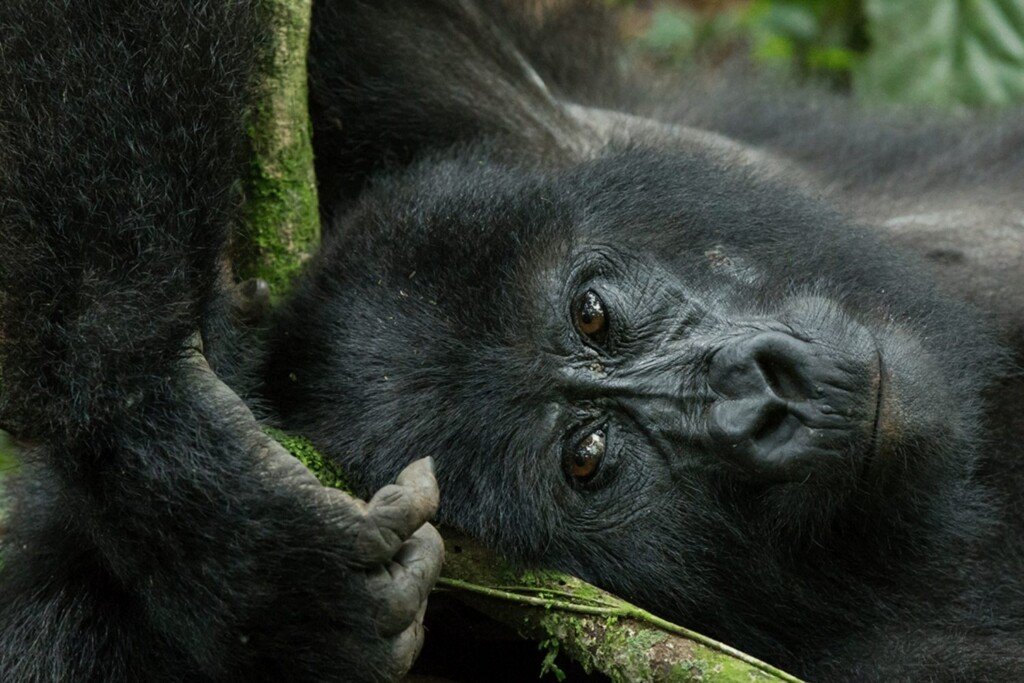
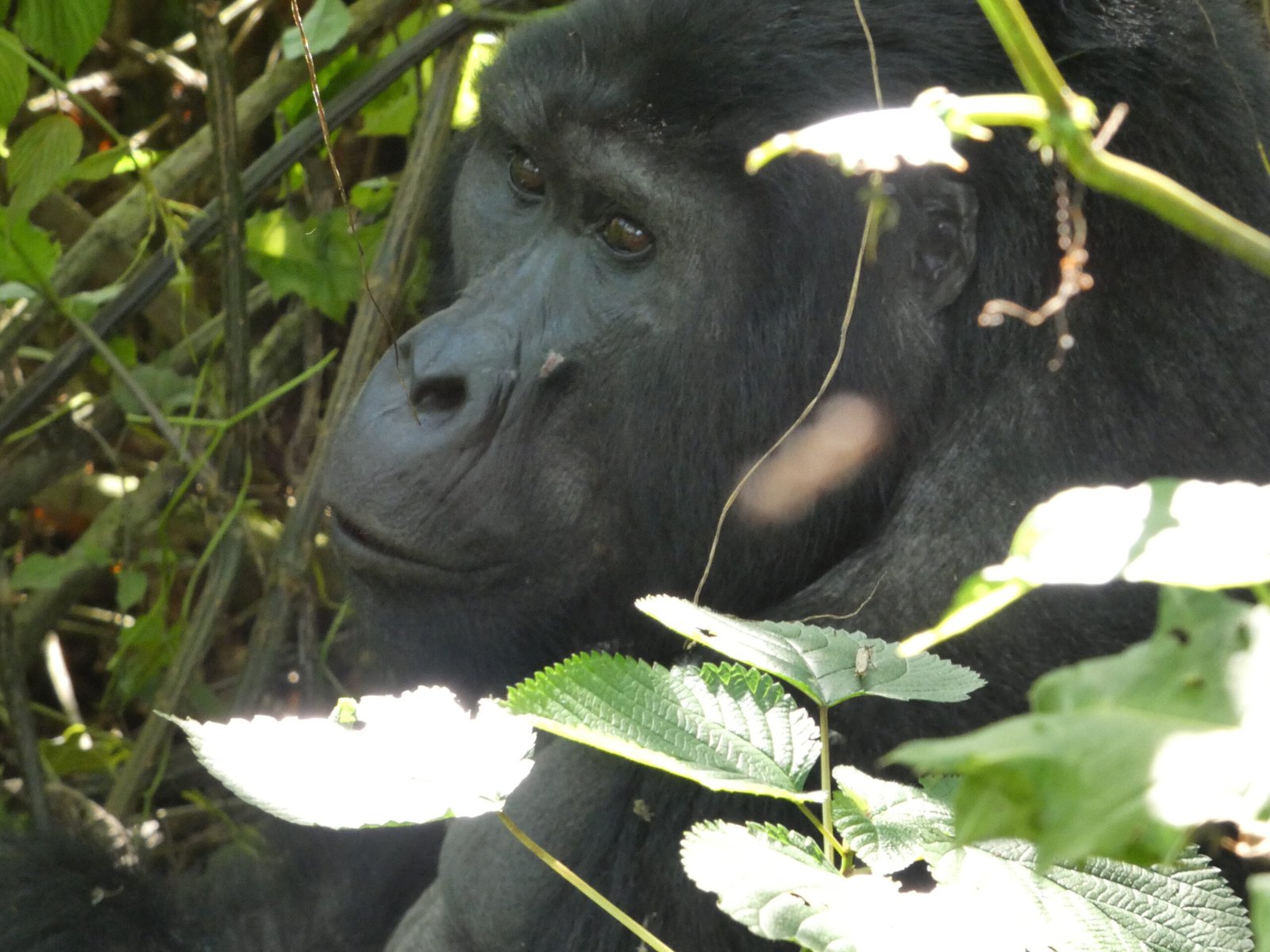
The forest is quiet at first. Then you hear it — a low rustle, branches bending, a deep breath that feels almost human. Standing in the emerald heart of southwestern Uganda, I locked eyes with a mountain gorilla for the first time. In that moment, time slowed. The mist hung heavy in the air, birds called from the canopy, and everything else faded away.
Uganda gorilla trekking in 2026 is not just a bucket-list activity. It’s a rare privilege — one that brings you face-to-face with one of the planet’s most endangered and intelligent beings, while directly supporting conservation and local communities.
If you’re a first-time visitor, a budget or adventure traveler, or a couple looking for a meaningful experience, this guide will walk you through everything you need to know; ethically, practically, and confidently.
Quick Overview – Uganda Gorilla Trekking 2026 at a Glance
- Best Parks:
- Best Starting Points:
- Kigali, Rwanda (shorter drive, lower costs)
- Entebbe, Uganda (classic safari route)
- Permit Cost (2026): USD 800 per person
- Ideal Trip Length: 3–4 days
- Best For: First-time visitors, couples, budget & adventure travelers
- Focus: Ethical gorilla trekking + community experiences
Day-by-Day Hybrid Itinerary & Guide
Day 1 – Crossing Borders, Entering the Forest (Kigali or Entebbe to Bwindi/Mgahinga)
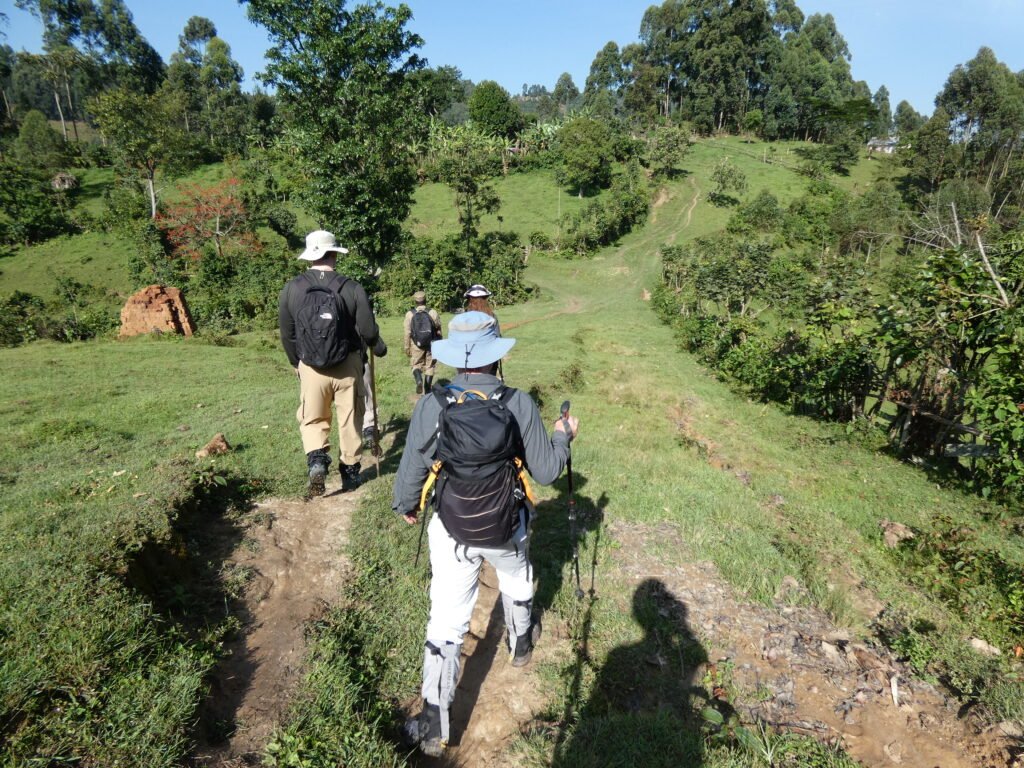
If you start your journey in Kigali, Rwanda, the road to Uganda is surprisingly scenic. Rolling hills, terraced farms, and friendly border towns ease you gently into East Africa. Within just a few hours, you cross into Uganda and feel the shift — warmer smiles, deeper greens, and a slower rhythm of life.
From Entebbe, the journey is longer but equally rewarding. You pass through rural Uganda, watching daily life unfold: women carrying baskets of bananas, children waving by the roadside, and cattle grazing lazily in open fields. It’s a reminder that this journey is as much about people as it is about wildlife.
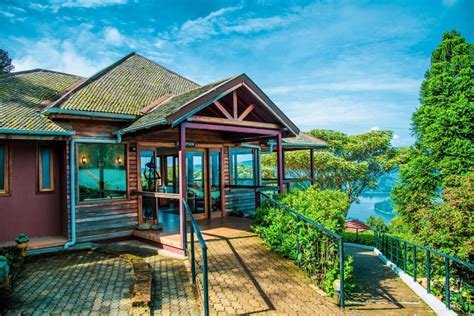
That evening, you arrive near Bwindi or Mgahinga, where the air turns cool and the forest hums with life. Lodges here range from simple, community-run guesthouses to cozy eco-lodges built with local materials. Sitting by the fire, listening to insects and distant forest calls, anticipation settles in.
Travel kindly: choose locally owned lodges and eat locally sourced food — your presence already supports the community.
Day 2 – Gorilla Trekking in Bwindi Impenetrable National Park
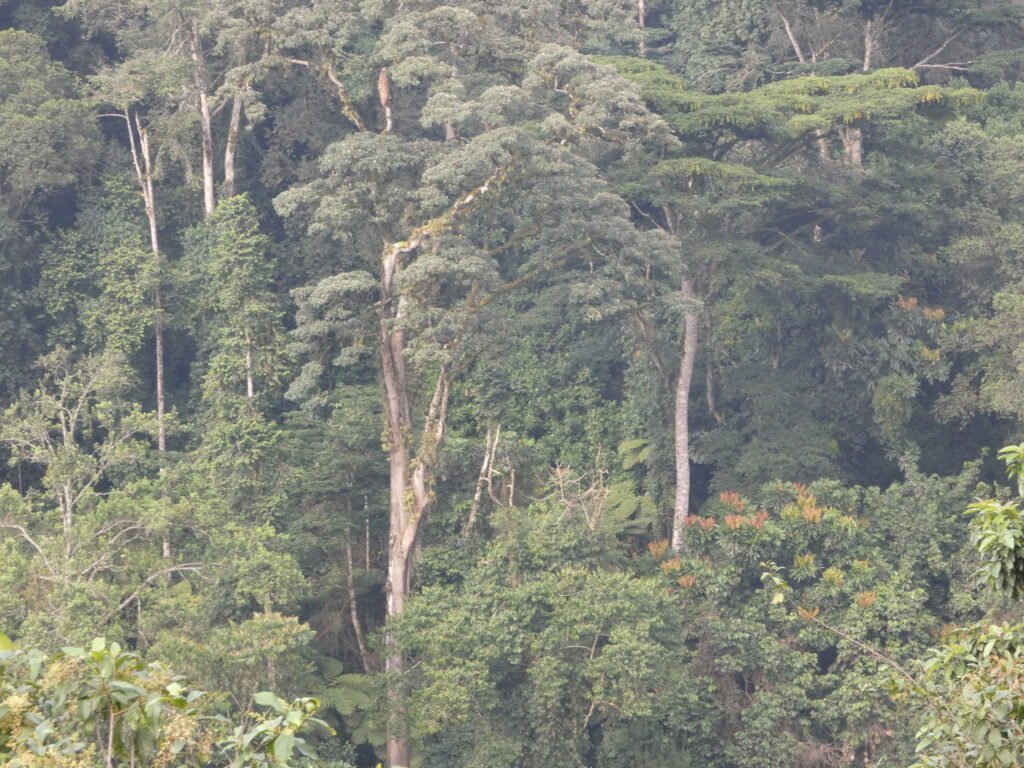
Bwindi doesn’t reveal itself easily — and that’s part of its magic. This ancient rainforest is thick, tangled, and alive. After an early briefing, you meet your ranger and trackers, whose deep knowledge of the forest comes from years of walking these paths.
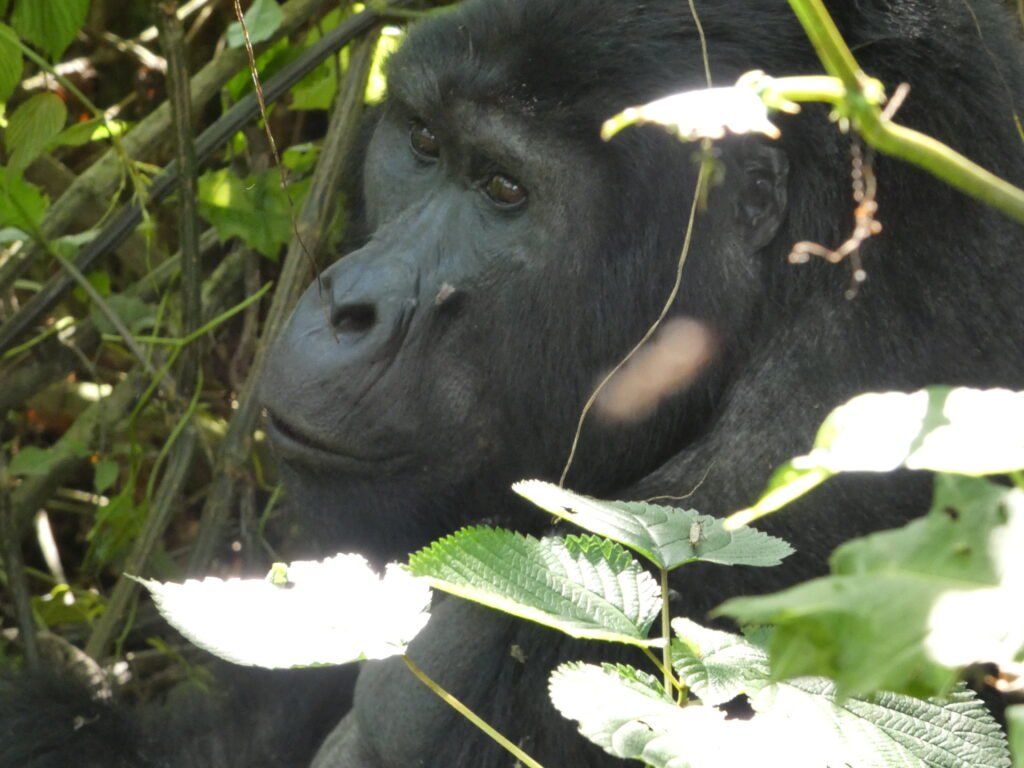
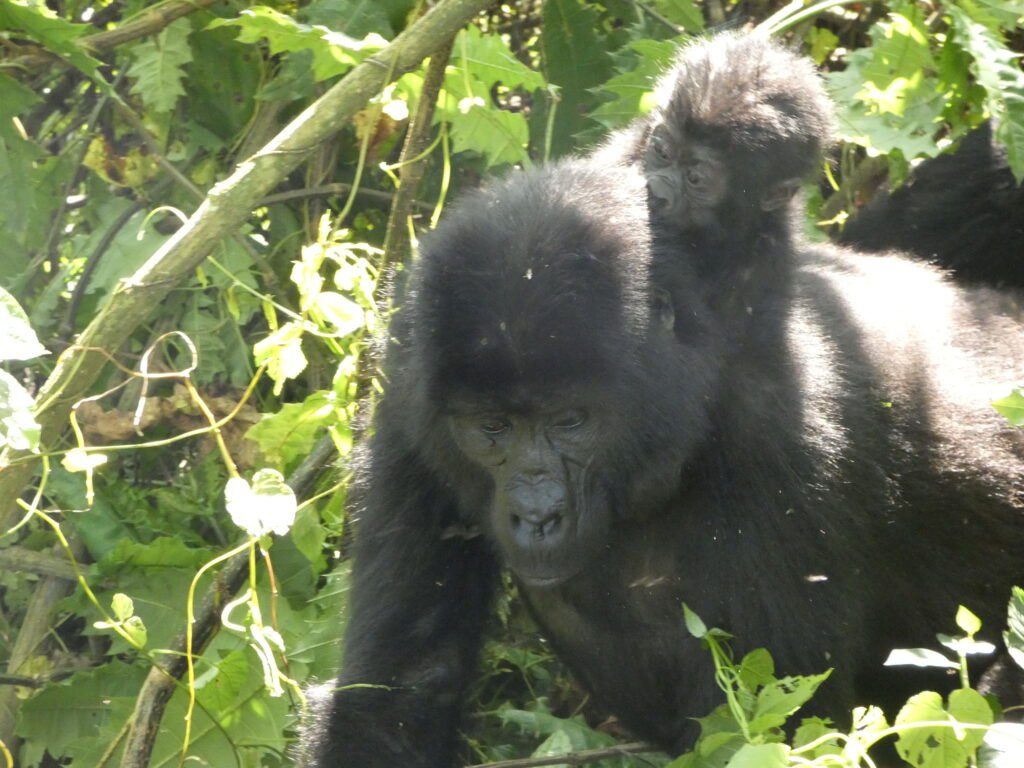
The trek can take anywhere from one to five hours. You climb muddy slopes, duck under vines, and pause often — not just to rest, but to listen. Then suddenly, they’re there. A silverback sits calmly, juveniles tumble nearby, and a mother gently grooms her baby.
That one hour with the gorillas passes in a heartbeat. You don’t touch. You don’t crowd. You simply observe — quietly, respectfully — knowing your permit directly funds conservation and ranger livelihoods.
This is ethical gorilla trekking in Uganda at its best: limited numbers, strict rules, and a focus on protection over profit.
Day 3 – Mgahinga Gorilla National Park & Batwa Community Experience
Mgahinga feels different — quieter, more intimate, framed by the dramatic Virunga volcanoes. Trekking here is ideal for travelers who prefer fewer crowds and deeper immersion.
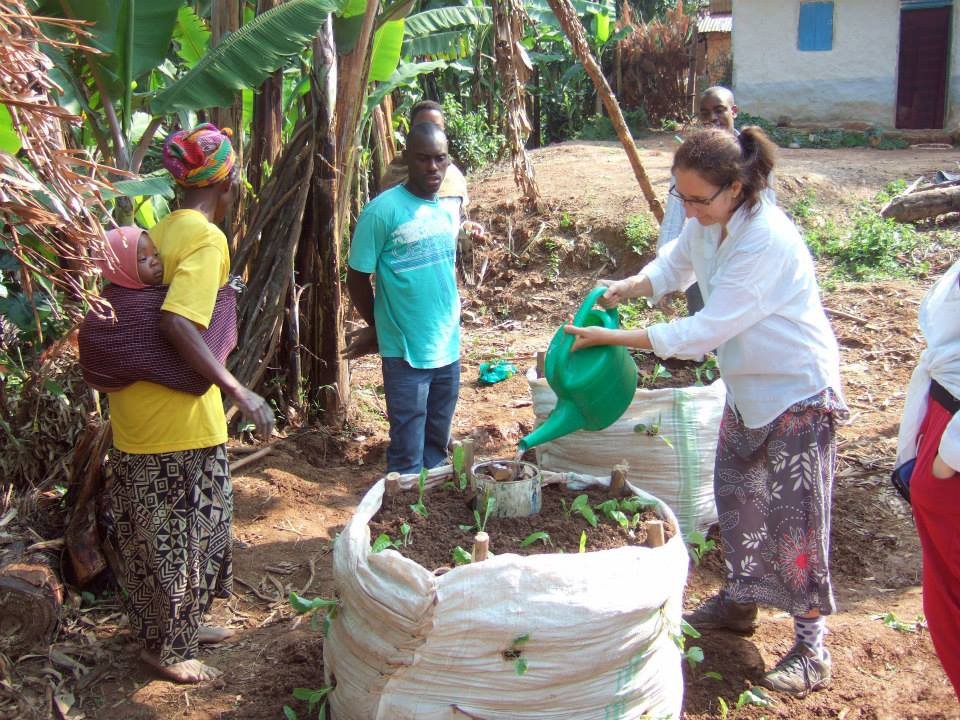
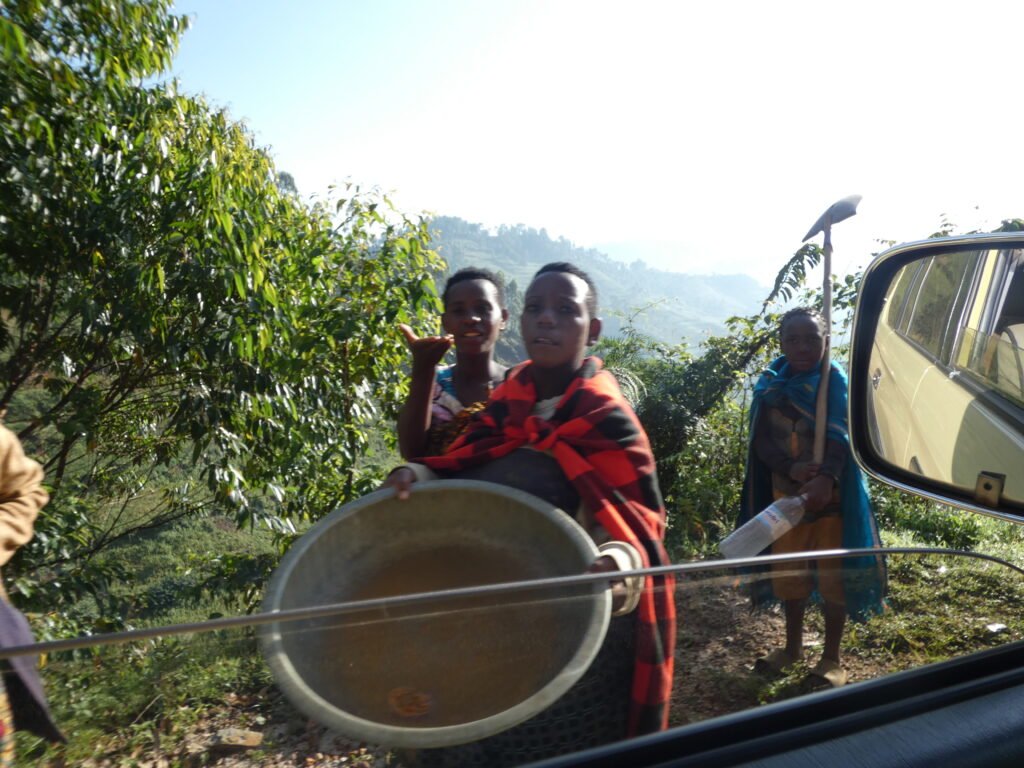
After your gorilla experience, the story continues with people. The Batwa community, once forest dwellers, now share their culture through guided walks, storytelling, music, and demonstrations of traditional skills. You walk alongside them, learning how the forest once provided everything — food, medicine, shelter.
This isn’t a performance. It’s a conversation. Fees go directly back to the community, supporting education and sustainable livelihoods.
As the sun sets behind volcanic peaks, you feel something deeper than excitement — connection.
Optional Day 4 – Lake Bunyonyi or Volcano Hike (Adventure Extension)
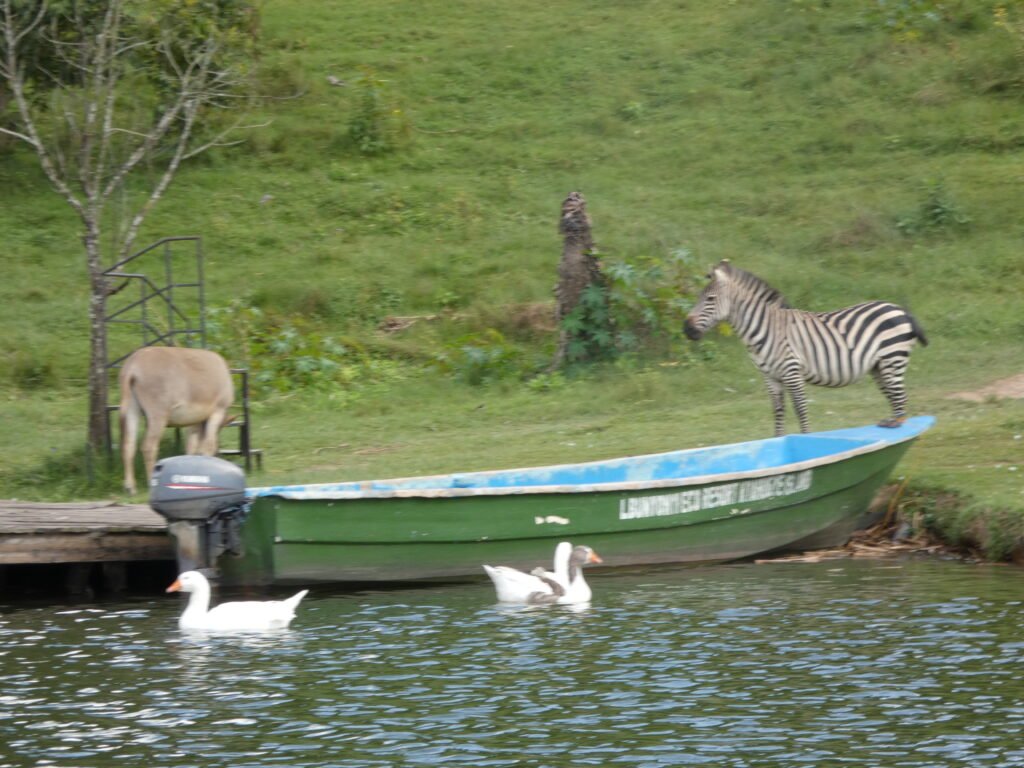
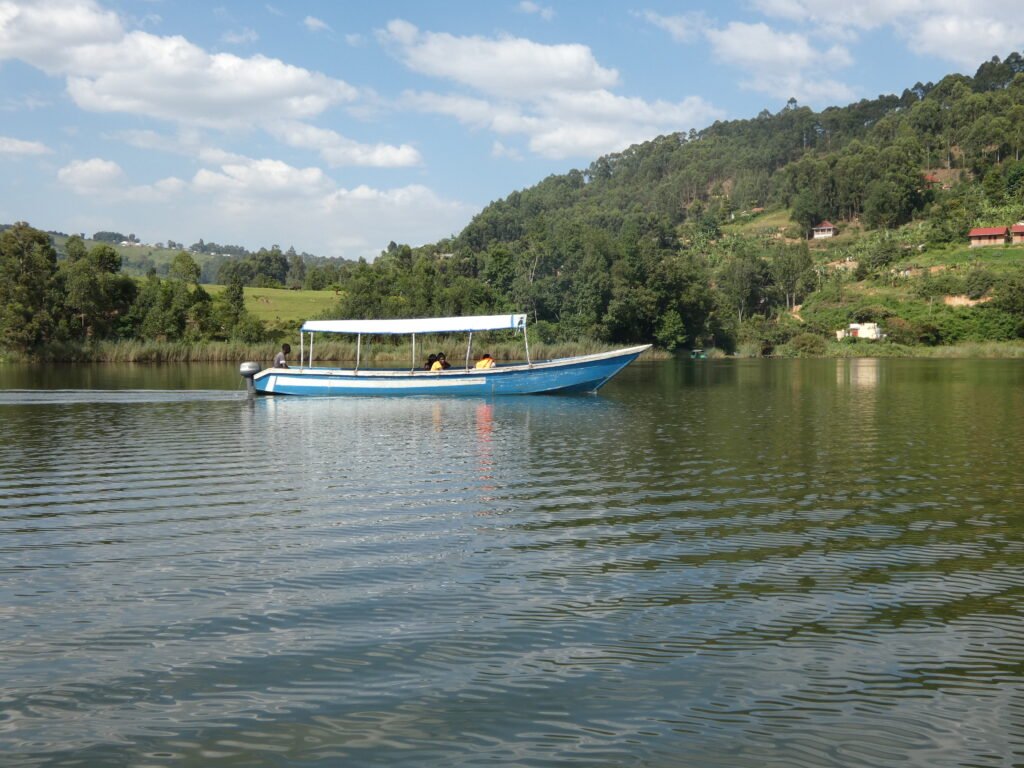
If time allows, slow things down. Lake Bunyonyi, dotted with misty islands, is the perfect place to rest after trekking. Paddle a canoe, take a village walk, or simply sit by the water and reflect.
For adventure lovers, hike one of the Virunga volcanoes near Mgahinga — a challenging but unforgettable way to close the journey.
Best Tips for Uganda Gorilla Trekking 2026 (First-Time Visitors)
- Book permits months in advance, especially for peak seasons
- Hire a local porter — it supports families and makes trekking easier
- Wear long sleeves, gloves, and waterproof hiking boots
- Keep voices low and follow ranger instructions strictly
- Choose ethical operators who prioritize conservation and communities
Travel Kindly – How to Leave a Positive Footprint
- Support community-led tours and lodges
- Carry a reusable water bottle
- Respect photography rules — no flash
- Avoid single-use plastics
- Learn a few local words; smiles go a long way here
Useful Information Box
Best Time to Go:
June–September & December–February (drier months)
Getting There:
- Kigali → Bwindi/Mgahinga: 4–5 hours
- Entebbe → Bwindi: 8–9 hours (or fly to Kihihi/Kisoro)
Gorilla Permit Cost (2026):
USD 800 per person
Recommended Ethical Operators:
Community-focused local tour companies with conservation partnerships (such as Amatsiko Tours)
Frequently Asked Questions – Uganda Gorilla Trekking 2026
1. Is Uganda gorilla trekking safe in 2026?
Yes. Gorilla trekking in Uganda is well-regulated, guided by professional rangers, and considered very safe for visitors.
2. Why choose Uganda over Rwanda for gorilla trekking?
Uganda offers the same unforgettable experience at a much lower permit cost, especially attractive when starting from Kigali.
3. Can budget travelers afford gorilla trekking in Uganda?
Yes. With Uganda’s lower permit fees and community lodges, budget travelers can experience ethical gorilla trekking without luxury prices.
4. Is gorilla trekking suitable for couples?
Absolutely. Many couples describe it as one of the most emotional and bonding travel experiences they’ve ever shared.
5. How physically demanding is gorilla trekking?
Moderate. Fitness helps, but porters and guides make it accessible for most travelers.
Final Thoughts – Why This Journey Matters
Uganda gorilla trekking in 2026 is more than a trip. It’s a shared responsibility and a rare gift — to witness, to protect, and to connect.
When you walk away from the forest, boots muddy and heart full, you carry more than photos. You carry stories — of gorillas, of communities, and of a country that quietly changes you.
If you go, go gently. And if you’re ready to plan it the right way, ethical local experts are there to guide you every step of the journey.