Uganda Cultural Travel: Beyond Wildlife, Into the Soul of Africa
This is the Uganda that changes you.
Table of Contents
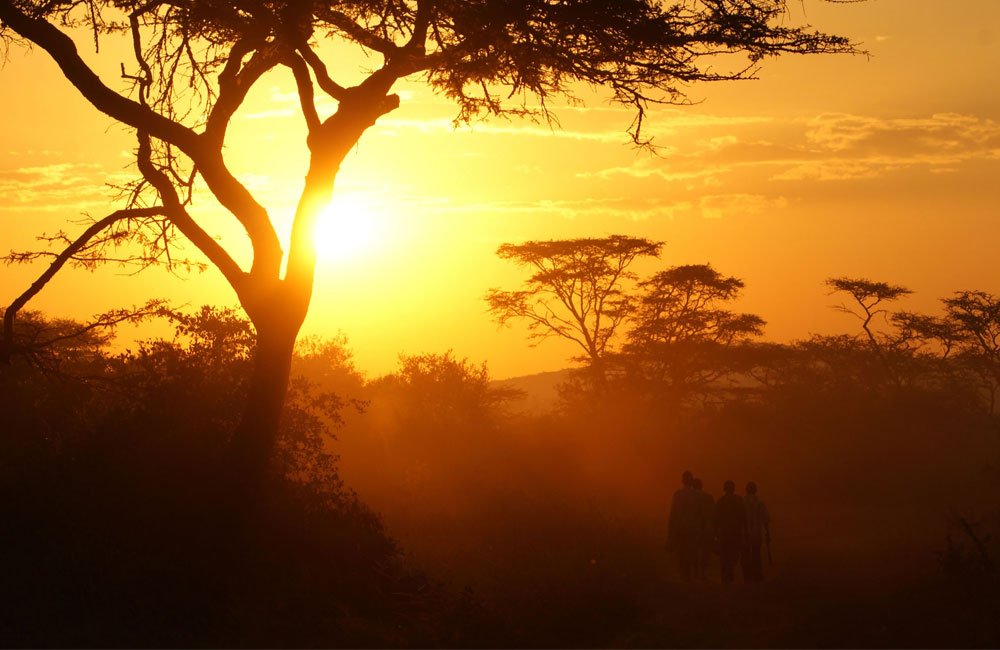
It’s the laughter of women roasting coffee beans over charcoal. It’s the rhythm of drums echoing across a village at sunset. It’s sitting under a mango tree listening to a Batwa elder tell stories of the forest.
If you want to understand Africa — not just see it — these 7 cultural travel experiences will open your heart in ways you never expected.
And the most beautiful part? When done responsibly, Uganda cultural travel directly supports communities, preserves heritage, and creates dignified livelihoods.
Let’s begin.

1. Walk With the Batwa: Indigenous Forest Wisdom in Bwindi
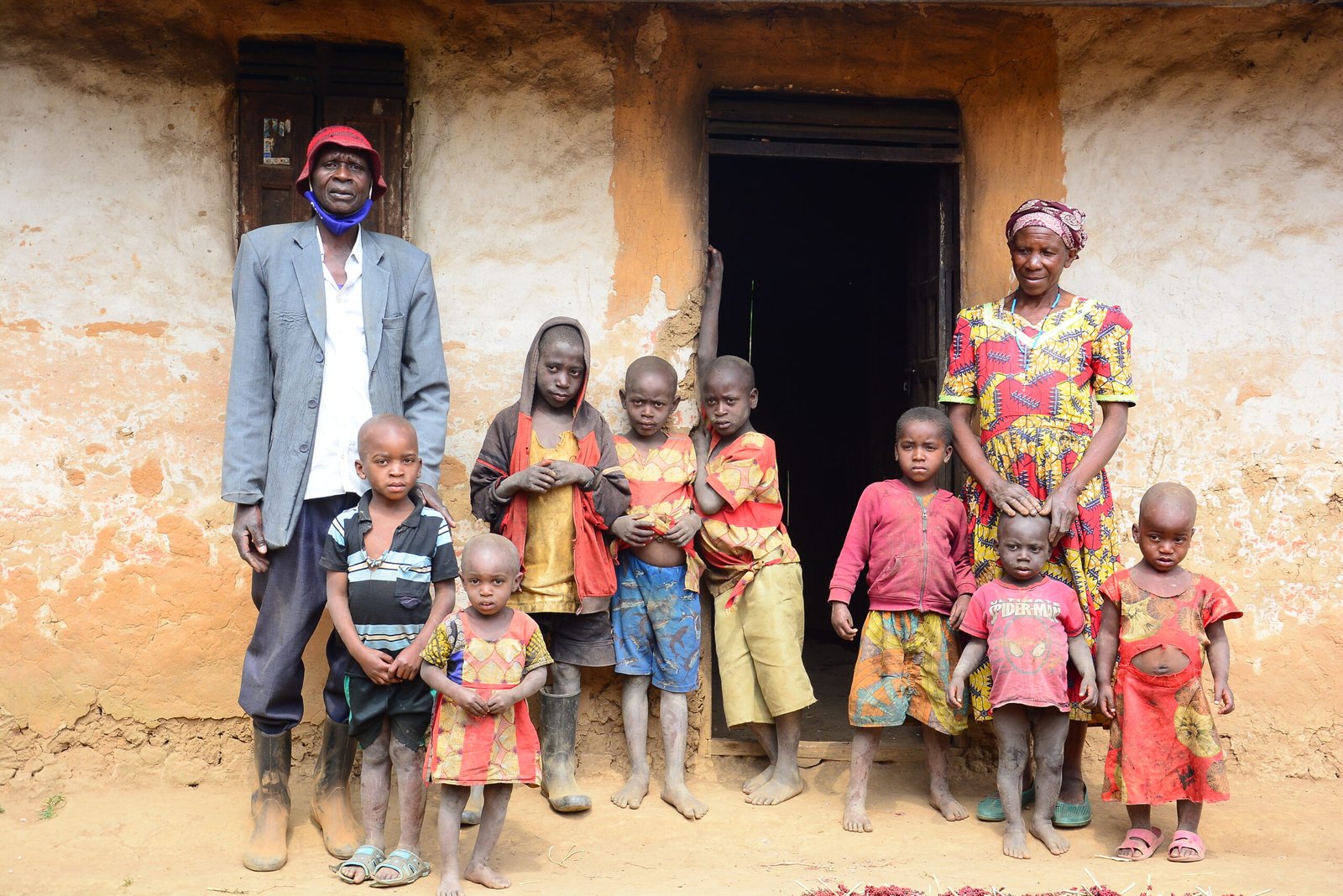
In the shadows of Bwindi Impenetrable Forest, the Batwa people share stories older than the trees themselves.
A Batwa forest walk is not a performance — it’s storytelling in motion. As you follow a local guide through the forest edge, you learn how honey was harvested, how herbs were used for healing, and how survival once depended on intimate knowledge of nature.
You hear songs once sung deep inside the forest. You see traditional hunting tools. You feel the quiet strength of a culture that has endured displacement and change.
Responsible Uganda cultural travel ensures these experiences are community-led, with proceeds supporting education and livelihood programs. Choosing ethical operators like Amatsiko Tours ensures that your visit contributes directly to Batwa families.
This is not tourism. It’s cultural preservation in action.
2. From Bean to Cup: Coffee Tours on Mount Elgon
Wake up to the scent of freshly roasted Arabica coffee in eastern Uganda.
On the slopes of Mount Elgon, smallholder farmers grow some of the finest coffee in East Africa. But Uganda cultural travel here means more than tasting — it means participating.
You’ll walk through coffee gardens, pick ripe red cherries, peel, wash, dry, roast, grind, and finally brew your own cup. Women-led cooperatives proudly explain each step, sharing how fair trade and direct partnerships have transformed their communities.
The experience slows you down. You taste the earth. You understand the labor. You see how global travelers can directly impact rural livelihoods simply by choosing ethical tours.
Coffee becomes more than a drink. It becomes a story of resilience and pride.

3. Village Homestays at Lake Bunyonyi
Lake Bunyonyi is breathtaking — terraced hills reflecting in still waters — but the real magic happens inside village homes.
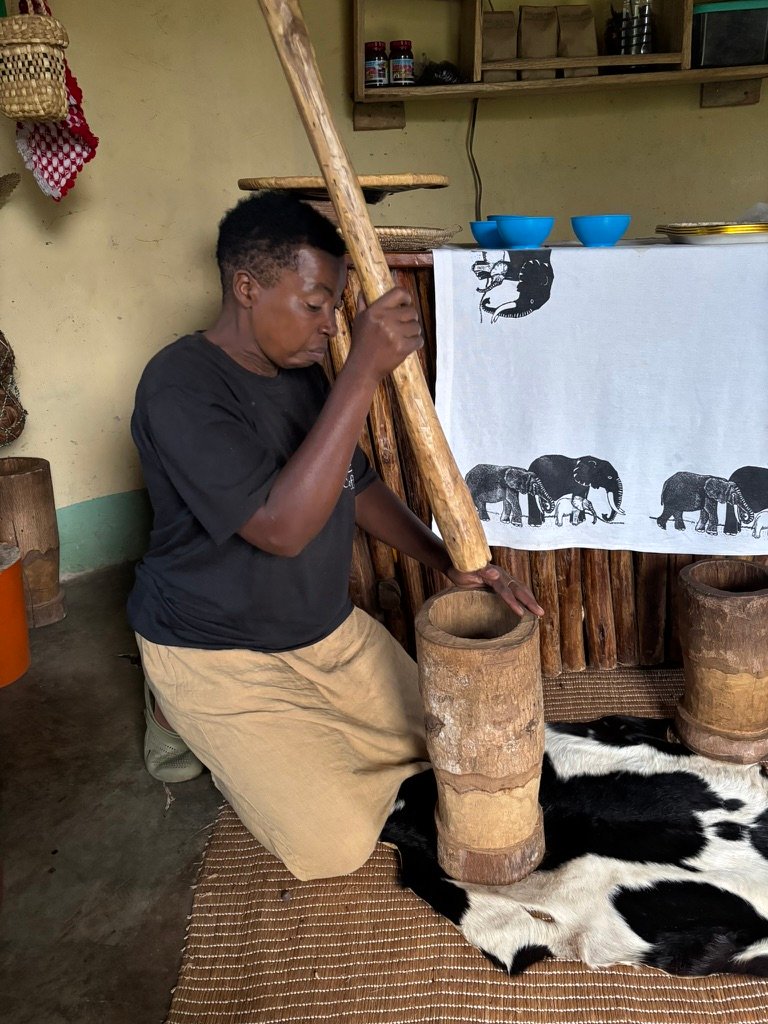
In a community homestay, you help prepare matoke over firewood. You fetch water. You learn traditional cooking methods passed down through generations.
Evenings are for storytelling. Elders share folklore. Children sing. The sky fills with stars so bright it feels unreal.
This is immersive Uganda cultural travel at its finest — simple, honest, transformative.
And when managed responsibly, homestays create income for families while keeping traditions alive.
4. Kampala’s Markets & Creative Pulse
Uganda’s capital pulses with energy.
Walk through Owino Market and you’re surrounded by vibrant fabrics, spices, fresh fruit, and the hum of negotiation. Visit Nakasero Market and smell pineapples sliced fresh before you.
But Kampala is also art, fashion, and modern African identity. Studios showcase bold contemporary art. The Afri Art Fashion Show has gained international recognition, highlighting local designers.
Uganda cultural travel isn’t only rural — it’s urban creativity too. Supporting local designers, buying directly from artisans, and visiting community art spaces strengthens the creative economy.
You leave not with souvenirs — but with stories stitched into fabric.
5. Ankole Long-Horn Cattle Experience in Western Uganda
In western Uganda, cattle are more than livestock — they are symbols of wealth, pride, and heritage.
Visit a traditional Ankole farm and you’ll stand face-to-face with the majestic long-horned cattle, their horns stretching wide like sculpture.
Farmers explain how cattle shape identity, marriage traditions, and social status. You may even participate in milking rituals or learn about traditional ghee production.
This type of Uganda cultural travel supports rural agricultural families while preserving heritage practices that modernity often pushes aside.
It’s quiet. It’s grounding. It connects you to land and lineage.
6. Ndere Cultural Centre: Rhythm, Dance & Storytelling
If you want to understand Uganda’s diversity, listen to its music.
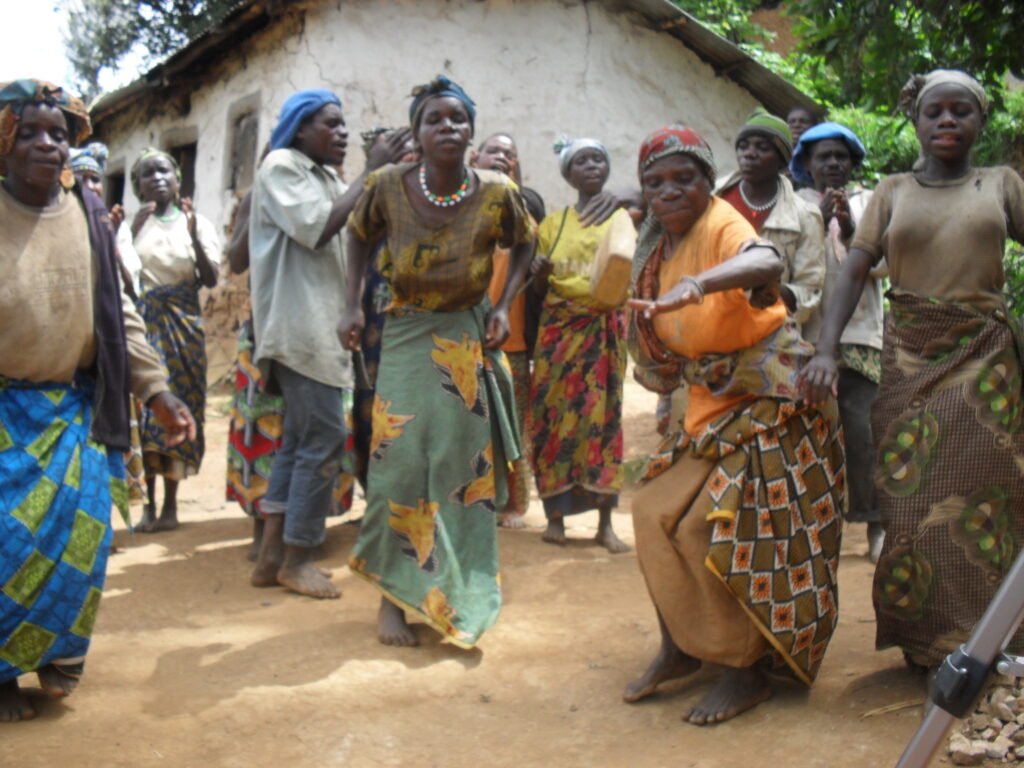
At Ndere Cultural Centre, performers represent tribes from across the country — each dance telling a story of migration, harvest, courtship, or celebration.
Drums vibrate in your chest. Dancers leap with astonishing precision. Traditional instruments create melodies that feel ancient yet alive.
Cultural performances like this help preserve Uganda’s intangible heritage while providing employment for artists and performers.
It’s joyful. It’s powerful. It’s unforgettable.
7. Milege World Music Festival in Entebbe
Each year in Entebbe, the Milege Festival brings together artists from across Africa and beyond.
Music fills the air. Poets speak truth. Art installations blend tradition and modern identity.
Festivals like Milege are redefining Uganda cultural travel for a global audience — attracting conscious travelers who want authentic exchange, not staged performances.
Supporting cultural festivals fuels creative industries and positions Uganda as a cultural powerhouse in East Africa.
Travel Kindly: How to Practice Responsible Uganda Cultural Travel
- Choose community-led experiences.
- Buy directly from artisans instead of imported souvenir shops.
- Ask before taking photos of people.
- Pay fair prices without aggressive bargaining.
- Travel with operators who prioritize community benefit.
FAQs – Uganda Cultural Travel
1. What is Uganda cultural travel?
Uganda cultural travel focuses on immersive experiences like village stays, music, coffee tours, and indigenous storytelling rather than just wildlife viewing.
2. Is Uganda cultural travel safe?
Yes. With reputable operators and local guides, cultural experiences are safe and welcoming.
3. How long should I spend exploring cultural experiences?
3–5 days can give you a meaningful introduction, but combining cultural travel with safari experiences creates a richer journey.
4. Does cultural travel support local communities?
Yes. Community-led tours provide income, preserve traditions, and promote cultural pride.
5. Can I combine cultural travel with gorilla trekking?
Absolutely. Many travelers combine Bwindi gorilla trekking with Batwa experiences and village visits.
Why This Journey Matters
Uganda cultural travel reminds us that Africa is not a single story.
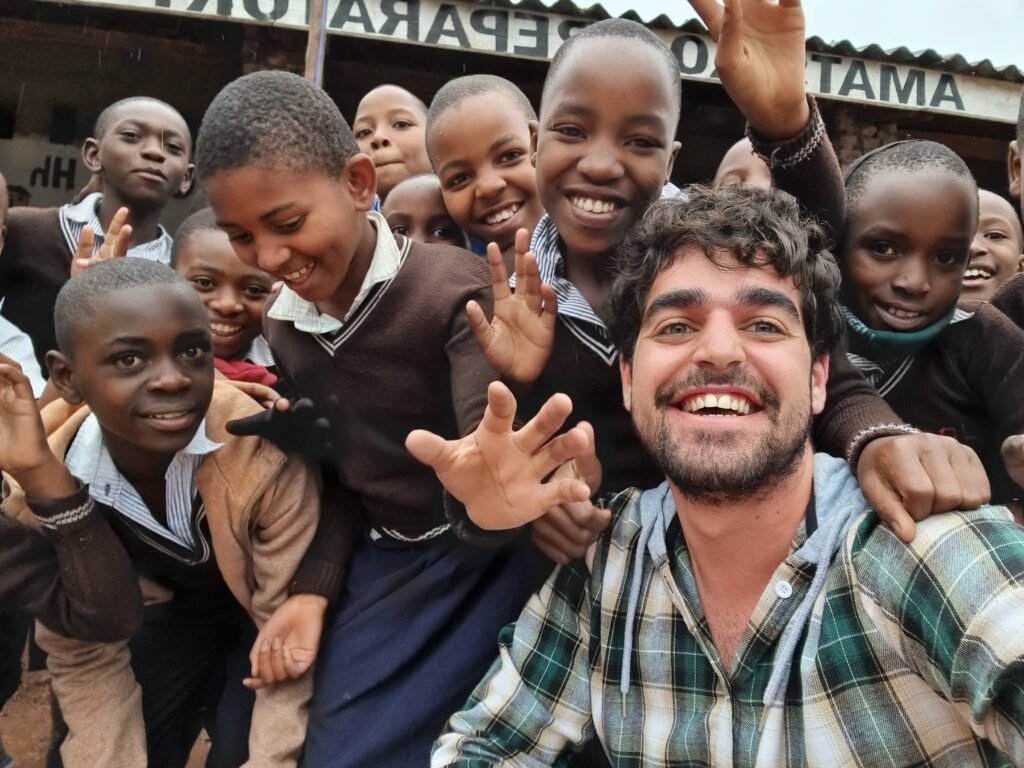
It is rhythm, coffee smoke, cattle horns against sunset skies, children laughing beside a lake, elders preserving stories that must never disappear.
When you travel this way — thoughtfully, respectfully — you don’t just visit Uganda.
You understand it.
And that understanding stays with you long after you return home.
If you’re planning a journey that goes deeper than wildlife, consider working with experienced local operators like Amatsiko Tours, who prioritize authentic community engagement and responsible travel practices.
Because the most meaningful journeys are the ones that give back.