
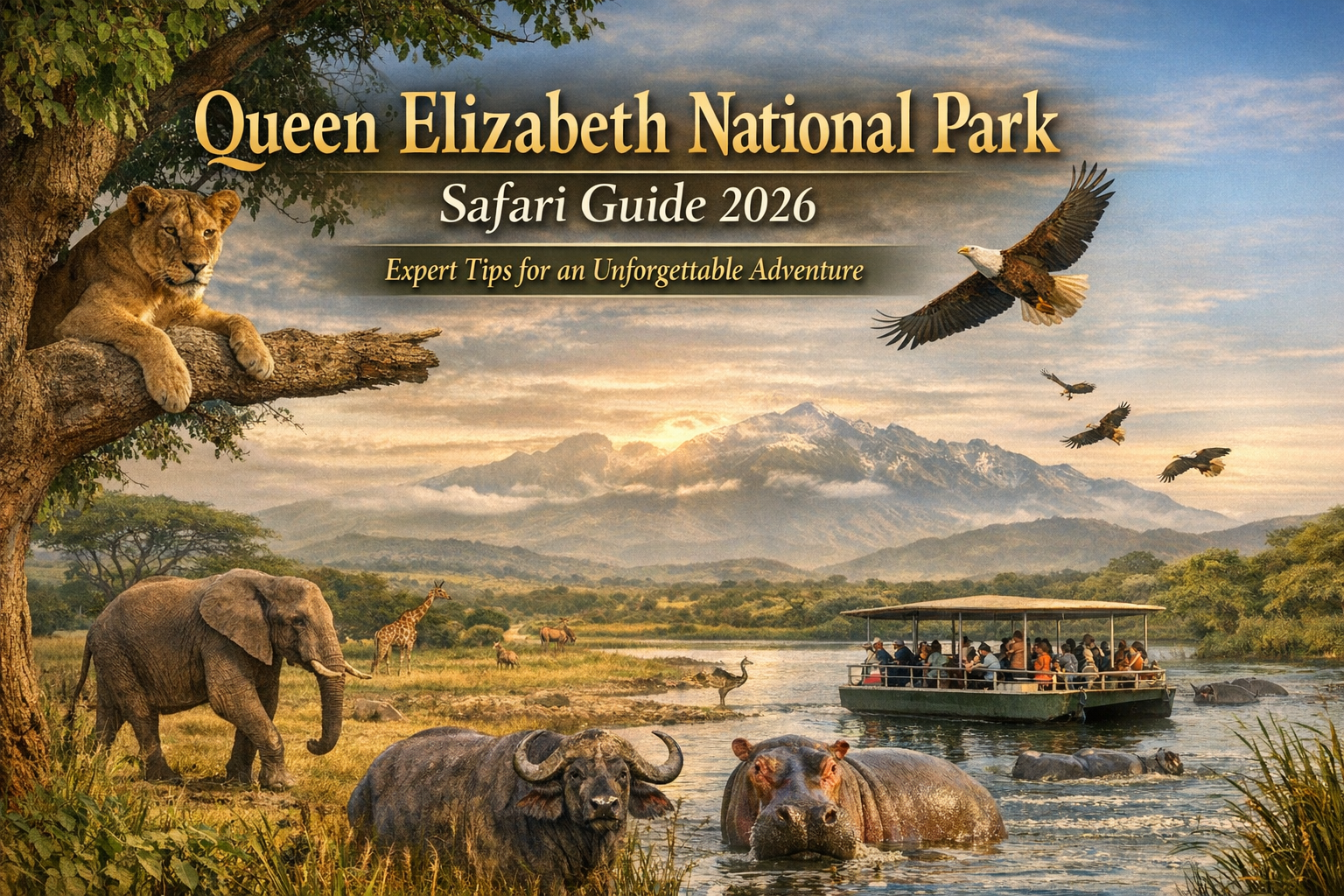
Queen Elizabeth National Park Safari Guide 2026
Uganda’s Wildest, Most Diverse Safari Experience
Tree-Climbing Lions, Water Safaris & Raw Africa
Last updated: January 2, 2026 — based on current park conditions, conservation updates, and recent traveler experiences.
Table of Contents
Warm Introduction: Let Me Take You There
Let me take you to a place where Africa feels raw, alive, and wonderfully unscripted.
As the sun rises over the Rwenzori Mountains, mist curls above endless savannah. You hear hippos grunting in the distance, fish eagles calling from fig trees, and somewhere—unseen but deeply felt—a lion stirs. This is Queen Elizabeth National Park, Uganda’s most diverse and emotionally powerful safari destination.
In 2026, this park remains one of East Africa’s best-kept safari secrets. It’s not about manicured perfection or rushed game drives. It’s about variety, authentic encounters, and wildlife experiences that feel deeply connected to land and people.
This Queen Elizabeth National Park Safari Guide 2026 is written from a responsible safari expert’s point of view—designed to help you experience the park fully, respectfully, and with a positive impact.

For a comprehensive understanding of the park’s offerings, refer to this Queen Elizabeth National Park Safari Guide 2026.
Quick Overview: 4-Day Safari at a Glance
Starting options: Entebbe • Kampala • Kigali (Rwanda)
Best for: Wildlife lovers, photographers, first-time safari travelers, slow travelers
- Day 1: Travel to Queen Elizabeth National Park + evening savannah game drive
- Day 2: Morning game drive (Kasenyi Plains) + Kazinga Channel boat safari
- Day 3: Ishasha sector & the famous tree-climbing lions
- Day 4: Chimpanzee tracking in Kyambura Gorge + crater lakes & return
Day 1: Journey Into the Wild – From City to Savannah
Whether you begin in Entebbe, Kampala, or Kigali, the journey to Queen Elizabeth National Park is part of the story.
From Entebbe or Kampala, the road winds past banana plantations, roadside markets, and small towns buzzing with life. Children wave, boda bodas hum by, and the landscape slowly opens into wide savannah. If you start from Kigali, the route through Rwanda’s rolling hills and into southwestern Uganda is breathtaking and surprisingly smooth.
Arriving at the park feels like crossing a quiet threshold. Suddenly, wildlife replaces traffic. Uganda kob graze casually near the road. Elephants leave footprints in the dust. You feel it immediately—you’re somewhere special now.
In the late afternoon, head out for your first game drive. This is when the park gently introduces itself. Golden light spills over acacia trees, and herds of buffalo move like dark shadows across the plains. Lions often rest near tracks, conserving energy before nightfall.
Responsible safari tip: move slowly, keep voices low, and trust your guide’s instincts. The quieter you are, the more the park reveals.
Day 2: Kasenyi Plains & the Kazinga Channel – Land and Water Safari
Morning: Kasenyi Plains Game Drive
Wake early. The air is cool, and the savannah smells fresh and earthy. This is the best time to explore the Kasenyi Plains, Queen Elizabeth’s prime wildlife area.
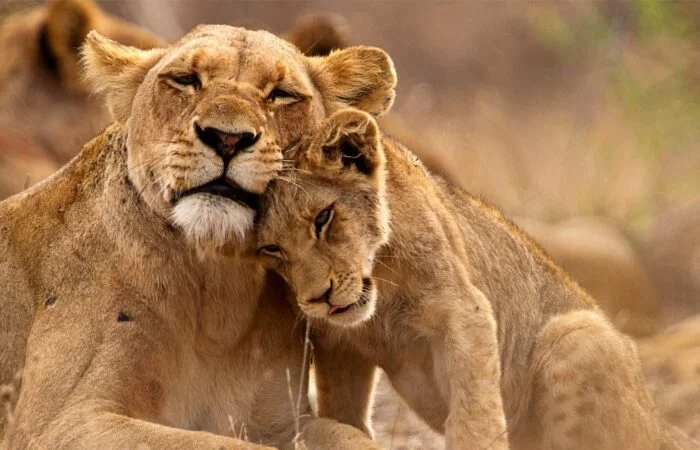
Here, predators and prey coexist in an open stage of grasslands and termite mounds. Uganda kob dot the plains, their presence attracting lions. Early mornings often bring sightings of lionesses stalking or resting after a night hunt.
You may also encounter elephants moving between feeding grounds, warthogs trotting with tails raised like antennas, and hyenas slinking back to their dens.
What makes this experience special is not just the wildlife, but how close it feels to real life. There’s no rush. No crowding. Just time, patience, and respect.
Afternoon: Kazinga Channel Boat Safari
After lunch, trade wheels for water.
The Kazinga Channel boat safari is one of the most unforgettable experiences in Uganda—and for good reason. As your boat glides through the natural channel connecting Lake George and Lake Edward, wildlife gathers at the shoreline.
You’ll see:
- Massive pods of hippos grunting and yawning
- Nile crocodiles basking on muddy banks
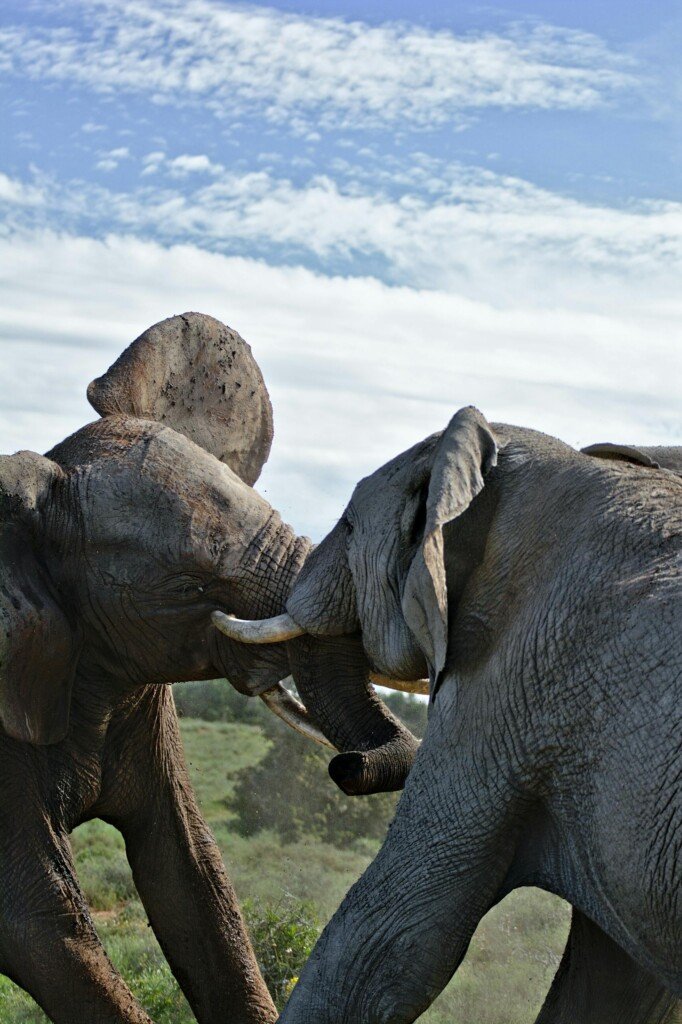
- Elephants drinking and bathing
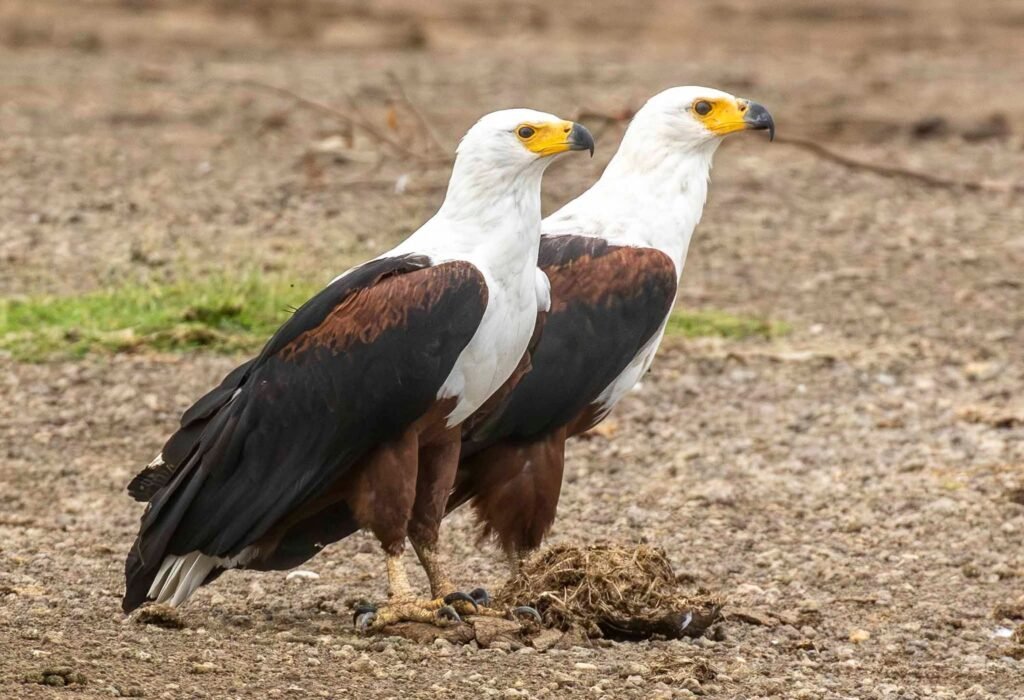
- Countless bird species—kingfishers, pelicans, African skimmers
This safari feels intimate and calm. Being on the water allows wildlife to behave naturally, and photography opportunities are exceptional.
Responsible travel note: choose operators that limit boat numbers and respect wildlife distance. Quiet engines and patience matter here.
Day 3: Ishasha Sector – In Search of Tree-Climbing Lions
Today, you head south to Ishasha, one of the most unique safari areas in Africa.
The landscape changes dramatically—fig trees spread wide branches over open plains. And in those trees, if you’re lucky, you’ll spot one of Uganda’s most iconic wildlife wonders: tree-climbing lions.
Seeing a lion draped across a branch like a lazy house cat is surreal. No one knows exactly why these lions climb—some say to escape insects, others to enjoy the breeze—but the sight is unforgettable.
Game drives in Ishasha are slower, quieter, and deeply rewarding. You may see topi antelope, elephants crossing the river, or lions descending from trees as the afternoon cools.
Stay overnight near Ishasha if possible. Nights here are magical. You fall asleep to insect songs, distant roars, and the feeling of being truly immersed in the wild.

Day 4: Kyambura Gorge & Crater Lakes – Forest Meets Savannah
Morning: Chimpanzee Tracking in Kyambura Gorge
Queen Elizabeth isn’t only savannah—it’s also forest.
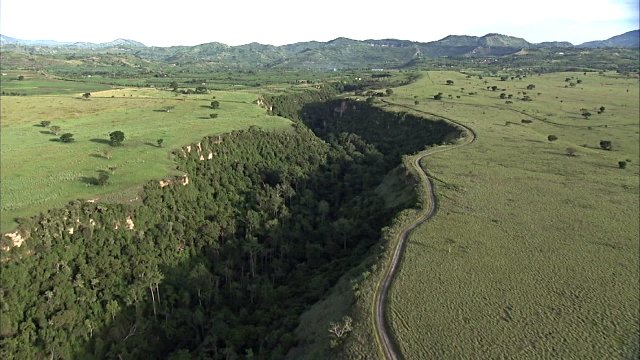
Kyambura Gorge, dramatically carved into the landscape, shelters a small but fascinating population of chimpanzees. Tracking them is challenging but rewarding.
You descend into lush greenery where the air feels cooler and damp. Birds call overhead, vines twist around ancient trees, and suddenly—movement. A rustle. A hoot. A chimp swings above you, effortlessly wild and free.
This experience reminds you that conservation is complex. Kyambura’s chimps live in an isolated habitat, and responsible tourism plays a vital role in protecting them.
Afternoon: Crater Lakes & Farewell
On your way out of the park, explore the explosion crater lakes scattered across the landscape. These shimmering bodies of water reflect the sky, framed by rolling hills and villages.
Stop at a viewpoint. Take a breath. Let the journey settle.
Queen Elizabeth doesn’t overwhelm—it stays with you quietly, long after you leave.
Travel Kindly: How to Leave a Positive Footprint Here
- Choose locally owned lodges and guides whenever possible
- Avoid single-use plastics; bring a refillable bottle
- Respect wildlife distances—no pressure on guides to “get closer”
- Support community projects near the park
- Travel slower; fewer activities often mean deeper experiences
Practical Information Box
Best time to visit:
- January–February & June–September (dry seasons, best wildlife viewing)
Getting there:
- 6–7 hours by road from Entebbe/Kampala
- 4–5 hours from Kigali (Rwanda)
Safari duration:
- Ideal: 4–5 days
Recommended experiences:
- Savannah game drives
- Kazinga Channel boat safari
- Ishasha tree-climbing lions
- Chimpanzee tracking in Kyambura Gorge
- Frequently Asked Questions About Queen Elizabeth National Park
FAQ
1: Is Queen Elizabeth National Park worth visiting in 2026?
Yes, absolutely. In 2026, Queen Elizabeth National Park remains one of Uganda’s most diverse safari destinations, offering classic game drives, boat safaris, chimpanzee tracking, and the rare tree-climbing lions—all in one park.
2: How many days do you need in Queen Elizabeth National Park?
A minimum of 3 days is recommended, but 4–5 days allows you to fully experience the park’s different ecosystems, including the Kasenyi Plains, Kazinga Channel, Ishasha sector, and Kyambura Gorge.
3: What wildlife can you see in Queen Elizabeth National Park?
You can see lions, elephants, buffalo, hippos, crocodiles, Uganda kob, warthogs, and over 600 bird species. With luck, you may spot the famous tree-climbing lions in Ishasha.
4: Is Queen Elizabeth National Park suitable for first-time safari travelers?
Yes. The park is ideal for first-time safari travelers because it combines easy wildlife viewing, varied activities, and accessible roads, without the overcrowding found in some other East African parks.
5: What is the best time to visit Queen Elizabeth National Park?
The best time to visit is during the dry seasons (January–February and June–September), when wildlife gathers around water sources and roads are easier to navigate.
6 :Is Queen Elizabeth National Park a responsible safari destination?
Yes. Many lodges, guides, and community initiatives around the park actively support conservation, local employment, and low-impact tourism when travelers choose ethical operators.
Final Reflection
Queen Elizabeth National Park is not about ticking boxes. It’s about feeling Africa breathe—on land, on water, in forest and savannah.
This journey reminds us why we travel: not just to see wildlife, but to understand our place within nature and to protect what still remains wild.
When you go, go gently. Listen more than you speak. And let Queen Elizabeth reveal herself in her own time.
If you visit, I’d love to hear your story. Fore more, contact us.
This guide is updated regularly to reflect changes in park access, conservation practices, and safari conditions.


One Comment