
Lake Mburo Safari: Uganda’s Hidden Jewel of Wildlife, Birds, and Cultural Encounters
Wildlife, birds & living traditions
Let me take you to a place where Uganda slows down. Where the air feels open, the landscapes roll gently into the horizon, and the loudest sounds are birds calling across the lake. A Lake Mburo safari is not about rushing from sight to sight—it’s about connecting deeply with nature, wildlife, and the people who have lived alongside this land for generations.
Table of Contents
As interest grows around Uganda safari destinations Lake Mburo, travelers are discovering why this park is becoming a favorite for eco-tourism, education, bird watching, and cultural experiences. It’s small, accessible, and incredibly rich in stories—both natural and human.
Why Lake Mburo National Park Is Special
Lake Mburo National Park sits in Uganda’s Ankole region, a landscape shaped by lakes, wetlands, acacia woodland, and open savannah. It’s one of the few parks in East Africa where you can experience wildlife in so many different ways—by vehicle, on foot, by boat, and even by bicycle.
What makes it truly stand out is how seamlessly it combines:
- Wildlife safaris
- Lake Mburo bird watching
- Scenic lakeside relaxation
- Cultural encounters with Ankole communities
This balance makes it ideal for travelers seeking meaningful, low-impact experiences.
Lake Mburo Safari at a Glance
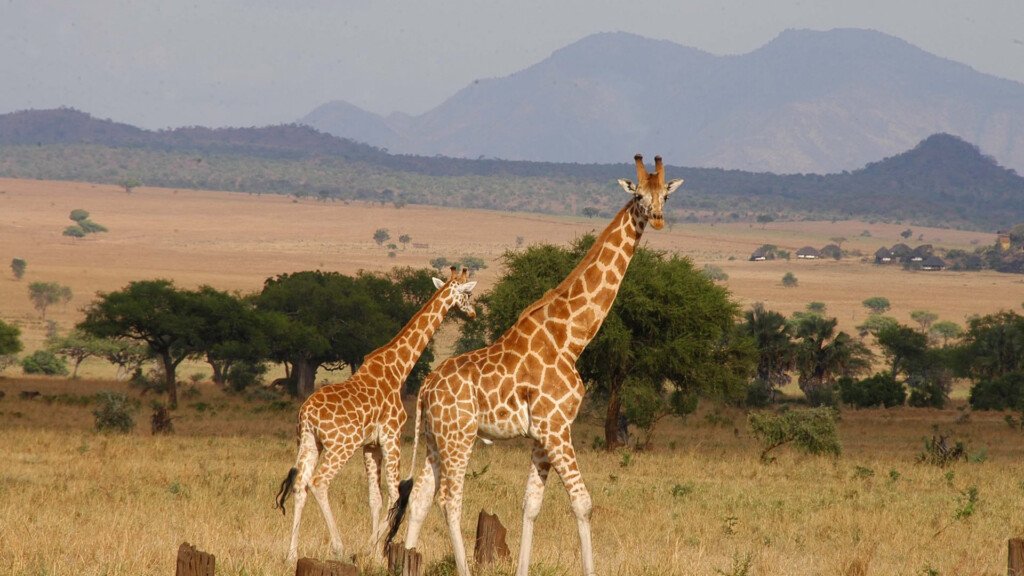
- Game drives with zebras, buffalo, impala, eland, and giraffes
- Exceptional bird watching in wetlands and savannah
- Guided walking safaris with armed rangers
- Boat safaris on Lake Mburo
- Cultural visits featuring the iconic Ankole long-horned cattle
It’s one of the most diverse safari experiences in Uganda—without feeling overwhelming.
Wildlife Encounters: Calm, Close, and Educational
On a Lake Mburo safari, wildlife encounters feel personal. Zebras are everywhere, grazing calmly along the tracks. Herds of impala move like ripples through the grass, while buffalo gather near water sources in the early morning light.
Because large predators are rare here, animals behave more naturally and stay visible longer. This makes Lake Mburo perfect for:
- First-time safari travelers
- Students and researchers
- Photographers who value patience over speed
Game drives are relaxed, with time to stop, observe, and learn. Guides often share insights about animal behavior, conservation challenges, and how this ecosystem survives alongside nearby communities.
Lake Mburo Bird Watching: A Living Classroom
If birds are your passion, Lake Mburo bird watching alone is worth the journey.
With more than 350 recorded bird species, the park is one of Uganda’s most rewarding birding destinations. Wetlands attract rare and elusive species, while woodland and grassland areas offer constant movement and sound.
On a boat safari, you might spot:
- African finfoot gliding near the shore
- Papyrus gonolek hidden among reeds
- Malachite kingfishers flashing blue and green
On land, look for:
- Bare-faced go-away birds
- Southern ground hornbills
- Rufous-chested swallows
Birding here feels unhurried and deeply educational—perfect for eco-tourism narratives and conservation-focused travel.
Walking Safaris: Feeling the Land Beneath Your Feet
One of Lake Mburo’s most powerful experiences is the guided walking safari. Few parks in Uganda allow this, and it changes everything.
Walking quietly with a ranger, you begin to notice details often missed from a vehicle—animal tracks, termite mounds, medicinal plants, and subtle changes in the landscape. You might approach zebras or giraffes on foot, feeling both humbled and exhilarated.
Walking safaris encourage respect. You are no longer just observing nature—you are part of it, if only for a moment.
The Ankole Cow Experience: Culture Rooted in the Land
Beyond wildlife, Lake Mburo offers a rare cultural dimension: the Ankole cattle experience.
The Ankole long-horned cattle, with their elegant sweeping horns, are more than livestock—they are symbols of identity, wealth, and tradition. Visiting a local community, you can learn:
- How cattle are cared for and milked
- Why they are central to Ankole culture
- How pastoral lifestyles coexist with conservation efforts
Sharing stories with local herders adds emotional depth to the safari. It reminds you that landscapes are lived in—not just visited.
Boat Safaris and Lakeside Moments
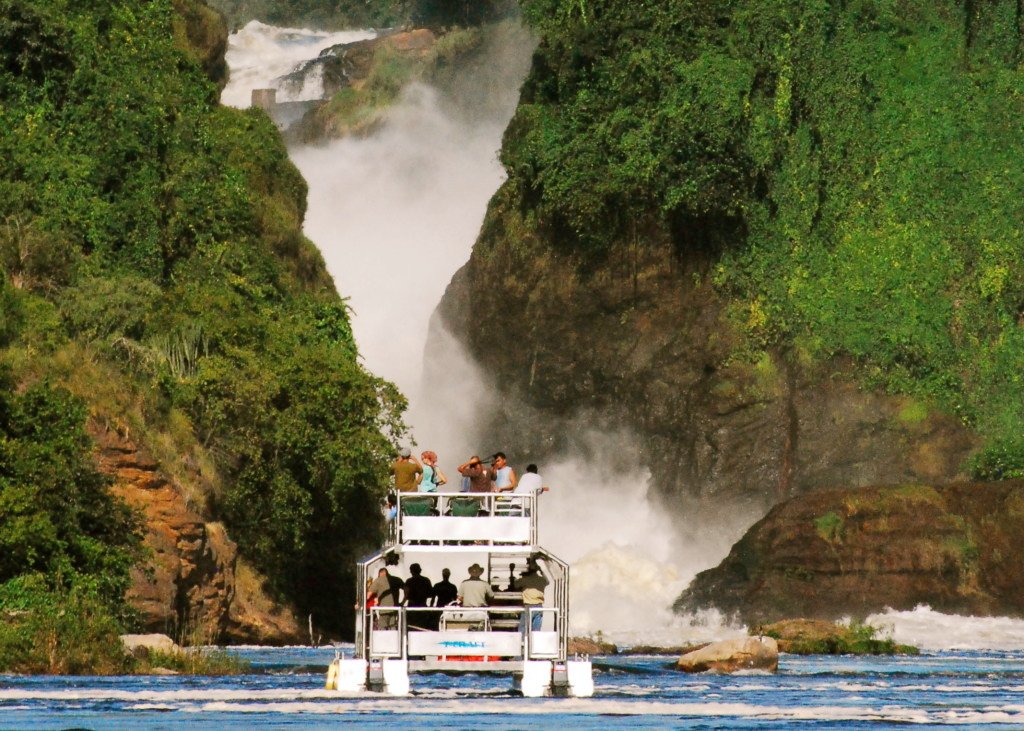
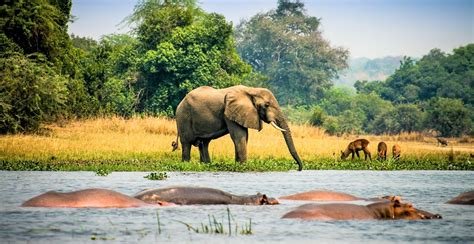
A boat safari on Lake Mburo is pure calm. Hippos surface quietly, crocodiles rest along the banks, and birds gather as the sun lowers.
These lakeside moments are ideal for reflection and for understanding why wetland conservation is so important. Supporting eco-lodges and responsible operators helps protect these fragile habitats for both wildlife and people.
Travel Kindly: How to Leave a Positive Footprint
- Choose community-run or eco-certified lodges
- Carry reusable bottles and reduce plastic waste
- Keep noise low, especially during bird watching
- Respect cultural norms during community visits
- Listen to local guides—they are the park’s guardians
Here, responsible travel feels natural—just like the landscape itself.
Park Entrance Fees, Safari Costs, and Where to Stay Around Lake Mburo
One of the reasons a Lake Mburo safari is growing in popularity is that it offers a high-quality wildlife and birding experience at a relatively affordable cost, especially compared to larger parks in Uganda.
Here’s what travelers should realistically expect when budgeting.
Lake Mburo National Park Entrance Fees
Park entry fees are managed by the Uganda Wildlife Authority (UWA) and are charged per person, per day.
Entrance fees:
- Foreign non-residents: USD 40 per adult
- Foreign residents: USD 30 per adult
- East African citizens: UGX 20,000
Children usually pay a reduced rate.
These fees contribute directly to:
- Wildlife protection
- Ranger salaries
- Community conservation initiatives
Paying park fees is one of the most direct ways visitors support conservation in Uganda.
Other Common Safari Costs Inside the Park
Beyond the entrance fee, some activities require additional permits or payments. The good news? Lake Mburo remains one of the most affordable parks for guided experiences.
Typical activity costs include:
- Game drive (with guide):
Often included if you book through a lodge or tour operator - Boat safari on Lake Mburo:
Approx. USD 30–40 per person - Guided walking safari:
Approx. USD 20–30 per person - Night game drive (if available):
Approx. USD 30–40 per person - Cycling safari:
Usually arranged through lodges or community guides at modest rates
These activities are led by trained rangers or local guides, ensuring both safety and meaningful interpretation.
The Ankole Cow Experience & Community Visits: What to Expect Cost-Wise
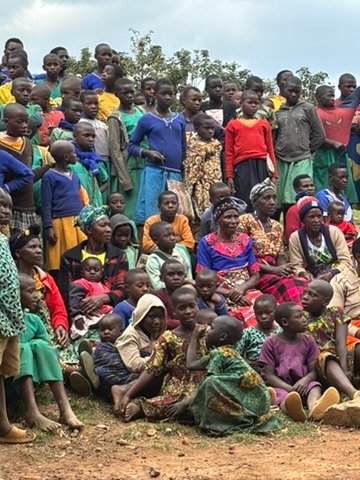
Cultural experiences around Lake Mburo—especially the Ankole long-horned cattle encounters—are typically community-run.
Approximate cost:
- USD 10–30 per person, depending on the depth of the experience
Your contribution usually supports:
- Local households
- Cultural preservation
- Education and community projects
This is one of the most impactful ways to make your safari more inclusive and responsible.
Lodges Around Lake Mburo: From Budget to Luxury
Accommodation around Lake Mburo is diverse, scenic, and increasingly eco-conscious. Many lodges overlook the lake or sit within wildlife corridors, allowing animals to move freely.
Budget & Mid-Range Lodges
Perfect for students, backpackers, and eco-conscious travelers.
- Approximate cost: USD 40–120 per person per night
- Comfortable bandas or safari tents
- Local staff and simple, hearty meals
- Often community-linked or locally owned
Upper Mid-Range to Luxury Eco-Lodges
Ideal for couples, photographers, and travelers seeking comfort with purpose.
- Approximate cost: USD 180–350+ per person per night
- Stunning lake views and private verandas
- Solar power, rainwater harvesting, low-impact design
- Guided activities often included
Staying at eco-lodges helps reduce environmental impact while supporting long-term conservation.
Is Lake Mburo Safari Good Value for Money?
Absolutely. Compared to other Uganda safari destinations, Lake Mburo offers:
- Lower overall costs
- Shorter travel time from Kampala
- Unique activities like walking and cycling safaris
- Outstanding bird watching opportunities
It’s especially attractive for:
- First-time safari travelers
- Educational groups
- Birders and slow travelers
- Visitors with limited time or budget
Responsible Budgeting Tips for Lake Mburo
- Book activities through licensed guides or lodges
- Avoid unofficial park access or unregulated tours
- Choose accommodations that employ local staff
- Ask how your fees support conservation or communities
Traveling responsibly doesn’t mean spending more—it means spending consciously.
Frequently Asked Questions About Lake Mburo Safari
1. Is Lake Mburo good for bird watching?
Yes. Lake Mburo is one of Uganda’s best birding destinations, with over 350 species, especially around wetlands and lakes.
2. How many days do you need for a Lake Mburo safari?
One to two days is ideal. It’s perfect as a short safari or stopover between Kampala and western Uganda.
3. What animals can I see on a Lake Mburo safari?
Zebras, buffalo, impala, eland, giraffes, topi, hippos, and many smaller species.
4. Can you do walking safaris in Lake Mburo?
Yes. Guided walking safaris are one of the park’s highlights and are safe with armed rangers.
5. What makes Lake Mburo different from other Uganda safari destinations?
Its mix of wildlife, bird watching, walking safaris, lakes, and Ankole cultural experiences—all in a compact, accessible park.
Practical Information
Best time to visit:
June–August and December–February
Getting there:
4–5 hours by road from Kampala
Ideal for:
Eco-tourists, birders, students, photographers, cultural travelers
Final Reflection
A Lake Mburo safari is a reminder that travel doesn’t need to be loud to be meaningful. Between bird calls at dawn, quiet walks through the bush, and conversations with Ankole herders, this park offers something rare—space to feel, learn, and connect.
If you’re exploring Uganda safari destinations, Lake Mburo deserves a place not just on your itinerary—but in your memory. Plan your trip with Amatsiko Tours