Kabale Uganda Travel Guide: A Powerful 5-Day Adventure Into Nature, Culture & Community
Slow travel, deep connection, unforgettable moments
Table of Contents
Welcome to Kabale: Uganda’s Cool, Green Highlands
Let me take you somewhere special.
As the road climbs into southwestern Uganda, the air cools, the hills soften into deep greens, and life begins to slow down. This is Kabale, a highland town wrapped in misty mornings, warm smiles, and stories passed down through generations.
This Kabale Uganda travel guide is designed for first-time visitors, backpackers, eco-conscious travelers, digital nomads, and even luxury seekers who want more than just sightseeing. It’s for travelers who want to connect — with people, food, culture, and the land itself.
Kabale is also the perfect base for exploring Lake Bunyonyi, Bwindi Impenetrable Forest, and countless community-led experiences that quietly change the way you see travel.
Kabale Uganda Travel Guide: 5-Day Itinerary Overview
Day 1: Kabale Town, markets, food & culture
Day 2: Lake Bunyonyi – canoeing, islands & slow living
Day 3: Volunteering, beekeeping & craft making
Day 4: Hiking, herbalists & blacksmith traditions
Day 5: Bwindi Forest & ethical gorilla region visit
Each day blends nature, culture, food, and responsible travel, with options for different budgets and travel styles.
Day 1: Kabale Town – Markets, Food & Everyday Life
Kabale town wakes up gently. Roosters crow, boda bodas hum to life, and the smell of fresh chapati drifts through the streets. Walking through town on your first morning helps you understand the rhythm of life here.
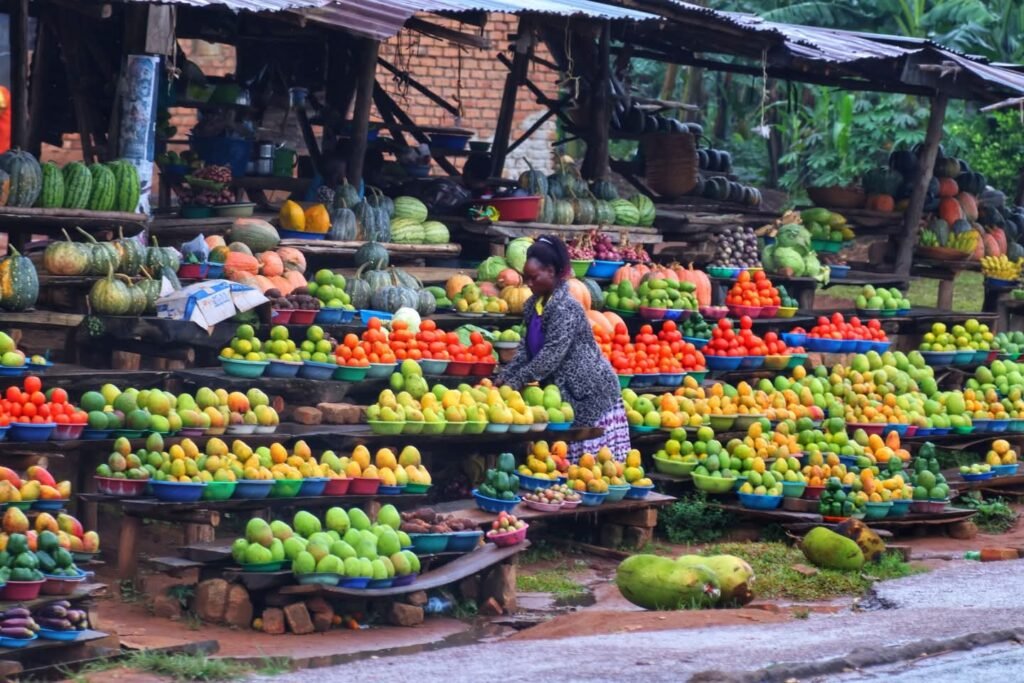
Start at Kabale Central Market, a colorful maze of tomatoes stacked like jewels, baskets of matoke, dried beans, groundnuts, and herbs you’ve probably never seen before. Vendors greet you with curiosity and warmth. Take your time. Ask questions. This is where real travel begins.
For lunch, try a small local restaurant serving matoke, Irish potatoes, groundnut sauce, and local greens. The flavors are simple, earthy, and comforting. In the afternoon, visit local workshops where artisans create woven baskets, wood carvings, and handmade tools. Buying directly from makers keeps money in the community and preserves skills passed down through generations.
As the sun dips behind the hills, Kabale feels calm and grounded — a perfect introduction to the journey ahead.
Day 2: Lake Bunyonyi – Canoes, Islands & Quiet Beauty
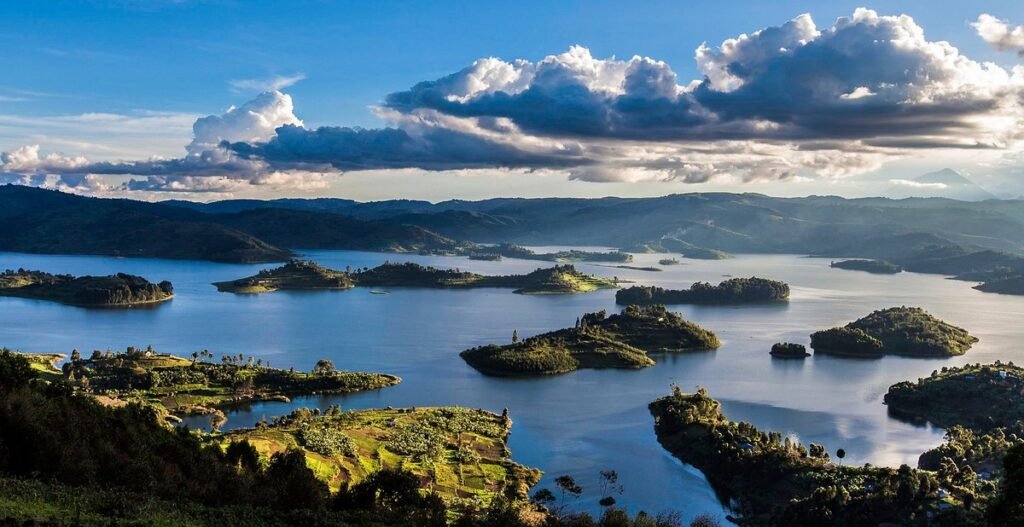
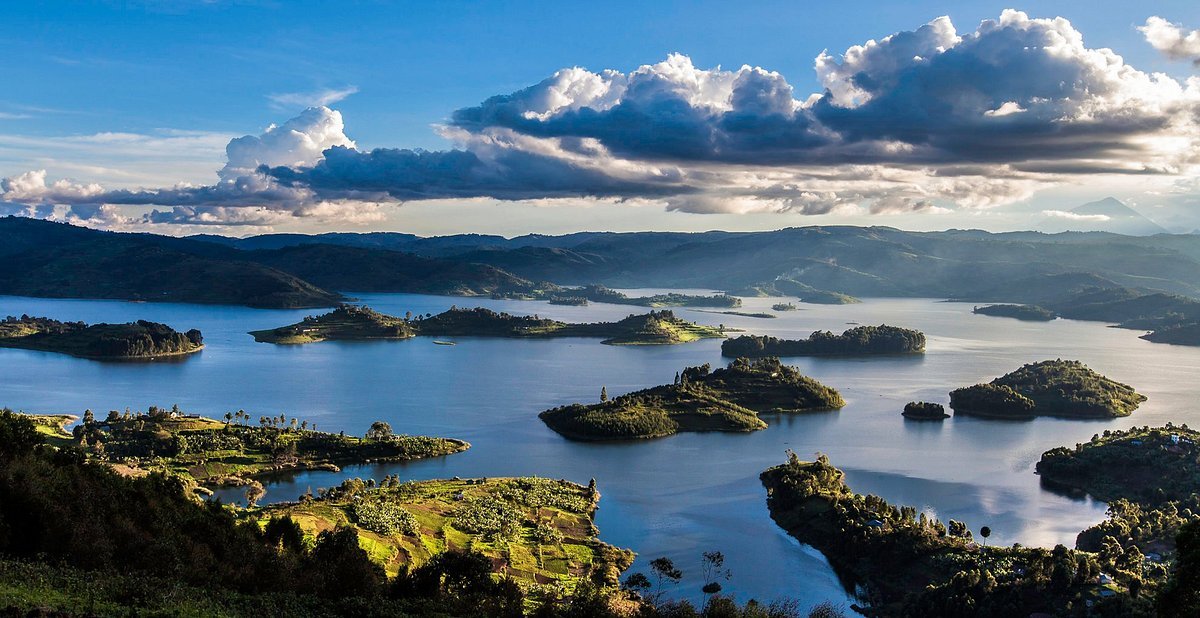
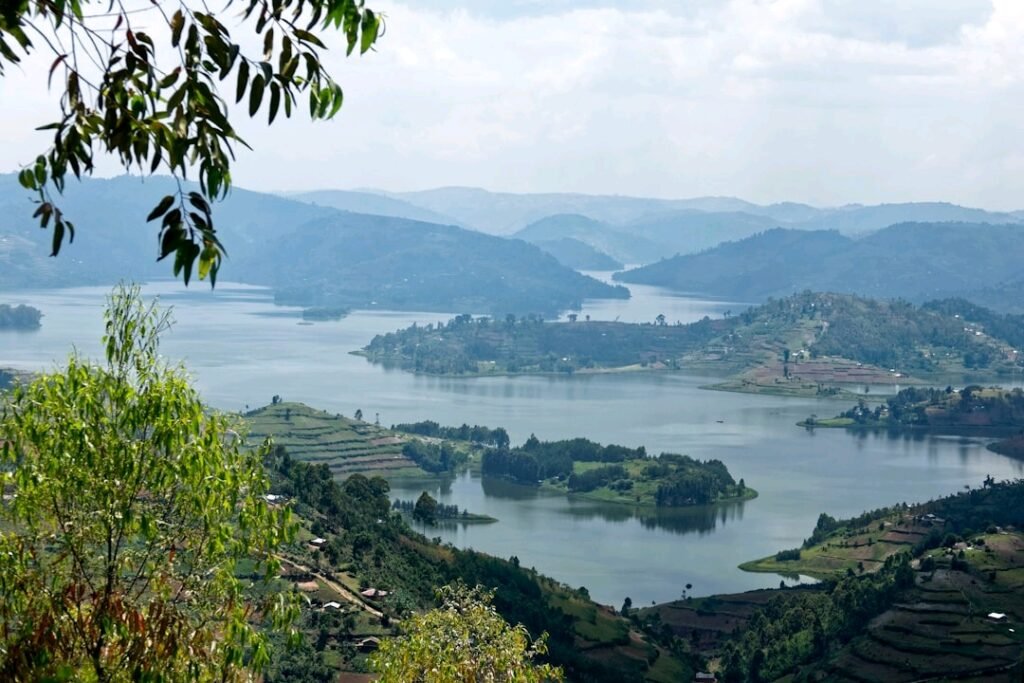
Just a short drive from Kabale lies one of Uganda’s most magical places: Lake Bunyonyi.
Mist floats over the water in the morning, birds call across the hills, and dugout canoes glide silently between islands. This is a place that invites you to slow down — really slow down.
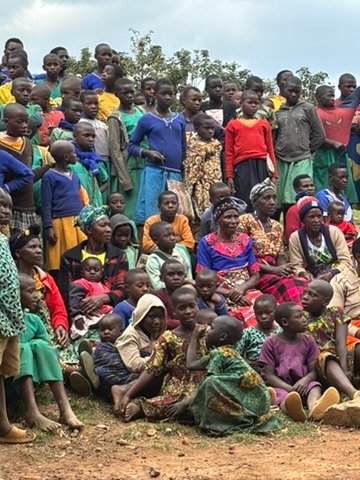
Spend the day canoeing with local guides, learning the stories of the islands and their people. Visit small communities, walk gently along village paths, and greet children on their way home from school. Lunch might be fresh fish, sweet potatoes, and avocados eaten lakeside.
Many eco-lodges around the lake support conservation and community projects. Refill your water bottle, skip single-use plastic, and enjoy the rare luxury of quiet. Lake Bunyonyi isn’t about doing more — it’s about feeling more.
Day 3: Volunteering, Beekeeping & Craft Making
This day is about giving back without taking over.
Several community initiatives around Kabale offer short, ethical volunteering experiences — from education support to environmental projects. A few hours is enough to connect meaningfully without disrupting local systems.
Later, visit a local beekeeping project. Dressed in protective gear, you’ll learn how honey is harvested sustainably and how beekeeping supports both livelihoods and biodiversity. Tasting fresh honey straight from the comb is unforgettable.
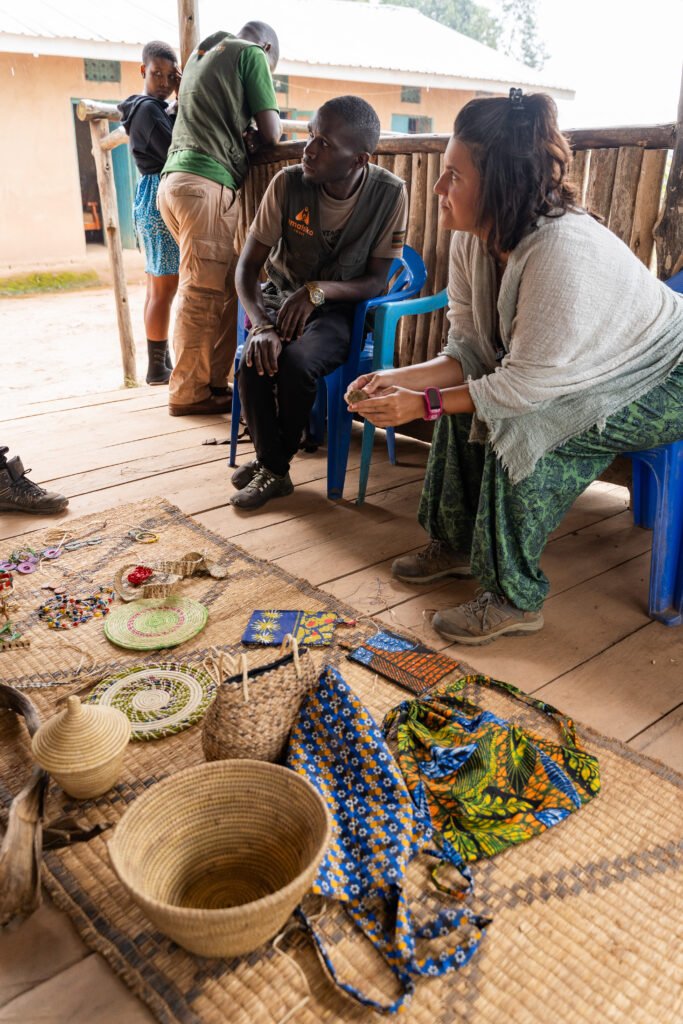
In the afternoon, join a craft-making workshop — weaving baskets or learning traditional methods used by local women’s groups. These skills are deeply tied to identity, and participating respectfully helps keep them alive.
You don’t leave with just souvenirs — you leave with stories.
Day 4: Hiking, Herbalists & the Blacksmith’s Fire
Kabale’s hills are made for walking.
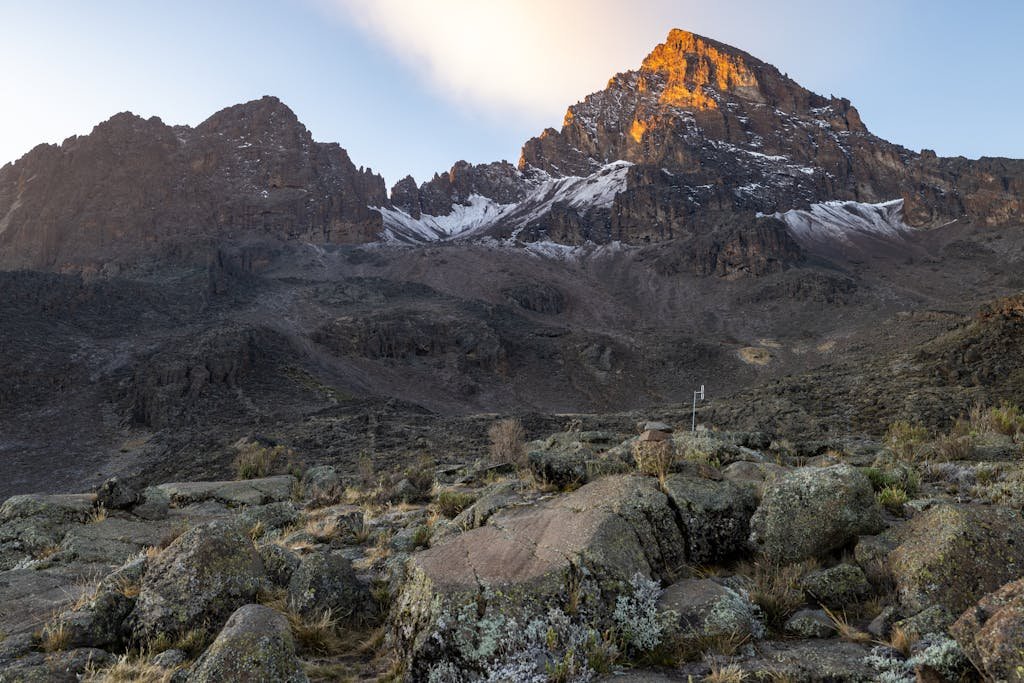
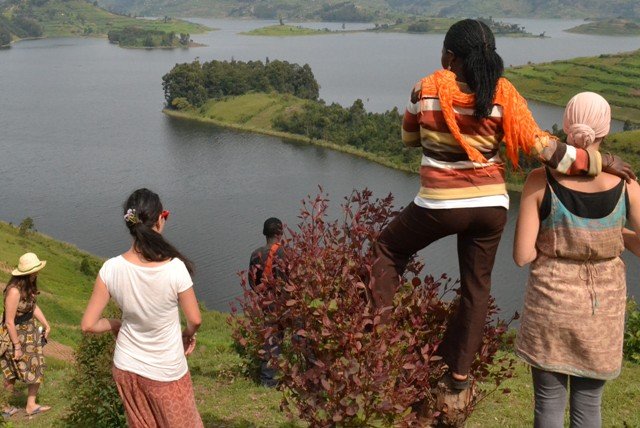
Early morning hikes reveal terraced farms, misty valleys, and farmers greeting the day. Walking with a local guide ensures you stay on community paths and learn about land use, crops, and history.
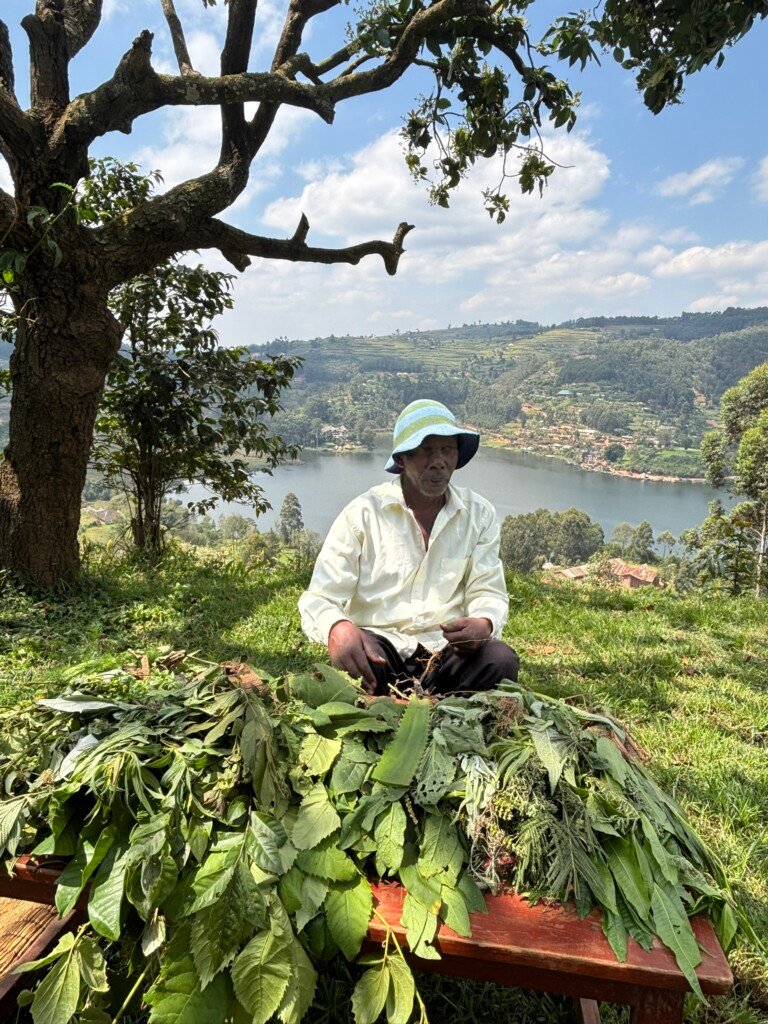
Later, meet a traditional herbalist, someone whose knowledge of plants comes from generations of observation and care. You’ll learn how leaves, roots, and bark are used in healing — always approached with respect, never extraction.
End the day at a traditional blacksmith’s workshop, where fire, rhythm, and metal come together. Watching tools being shaped by hand reminds you how much knowledge exists beyond modern factories.
Day 5: Bwindi Region – Forests & Conservation
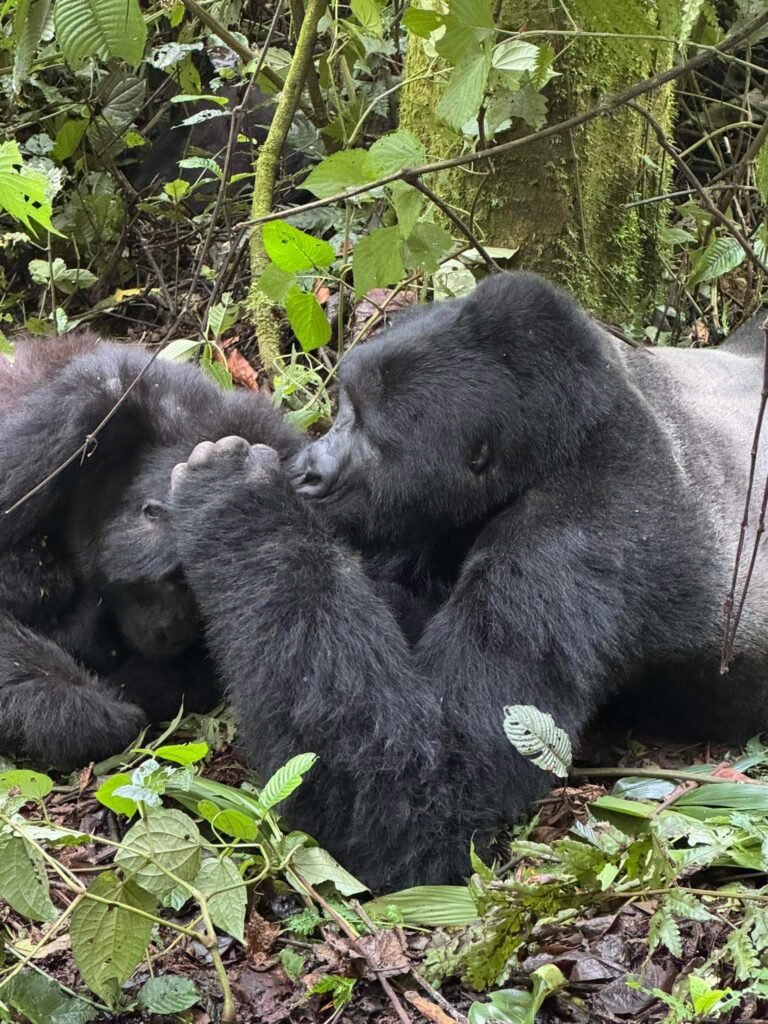
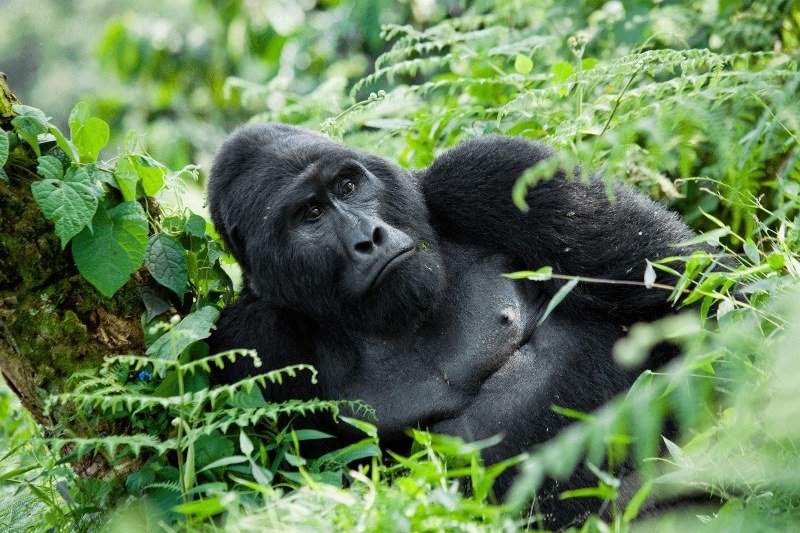
No Kabale Uganda travel guide is complete without mentioning Bwindi Impenetrable Forest.
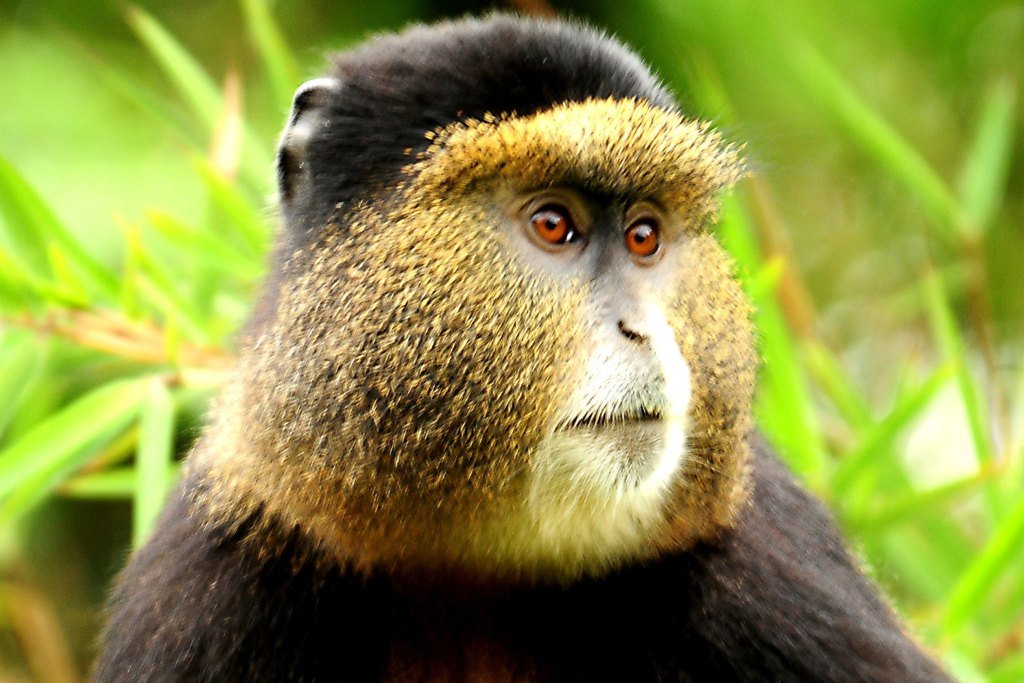
While gorilla trekking requires permits and planning, even visiting the region introduces you to conservation success stories. Community walks, forest edges, and cultural encounters help you understand how tourism supports protection efforts.
Travel with ethical operators like Amatsiko Tours, who prioritize local guides, fair wages, and responsible wildlife practices. This ensures your visit contributes to long-term conservation and community wellbeing.
You leave with a deeper respect for nature — and your role in protecting it.
Travel Kindly: How to Leave a Positive Footprint in Kabale
- Support community-led tours and lodges
- Carry a reusable water bottle
- Ask before taking photos of people
- Buy crafts directly from artisans
- Walk, hike, and travel slowly whenever possible
Responsible travel here doesn’t feel restrictive — it feels natural.
Useful Practical Information
Best time to visit: June–August, December–February
Getting there: 8–9 hours by road from Kampala
Duration: 3–5 days ideal
Recommended operator: Amatsiko Tours
Nearby highlights: Lake Bunyonyi, Bwindi Forest
Frequently Asked Questions (FAQs)
1. Is Kabale safe for first-time visitors?
Yes, Kabale is calm, friendly, and welcoming.
2. Is Kabale suitable for digital nomads?
Yes — especially around Lake Bunyonyi with good mobile data.
3. Can backpackers travel Kabale on a budget?
Absolutely. Budget lodges, local food, and shared transport are available.
4. Is Kabale good for eco-tourism?
Very much so. Community tourism is strong and growing.
5. How many days do I need in Kabale?
3–5 days allows a rich, relaxed experience.
Final Thoughts
This journey reminded me why we travel — not to tick boxes, but to connect, learn, and grow.
If you follow this Kabale Uganda travel guide, you won’t just visit a destination. You’ll become part of its story.
If you go, travel kindly — and I’d love to hear how Kabale touched you 🌿💚