Gorilla vs Chimpanzee: 7 Surprising Differences You Didn’t Know
Primates Like You’ve Never Seen
Table of Contents
Gorilla vs Chimpanzee, Let me take you deep into the lush forests of Central Africa, where the morning mist wraps around towering trees, and the earthy scent of damp soil fills the air. Here, two of our closest relatives roam—gorillas and chimpanzees. At first glance, they might seem similar, but spend a day observing them, and you’ll discover a world of fascinating contrasts.
Traveling responsibly in their habitats isn’t just about adventure, it’s about respect. By choosing ethical wildlife tours, staying on marked paths, and supporting local conservation projects, you ensure these magnificent primates continue to thrive.
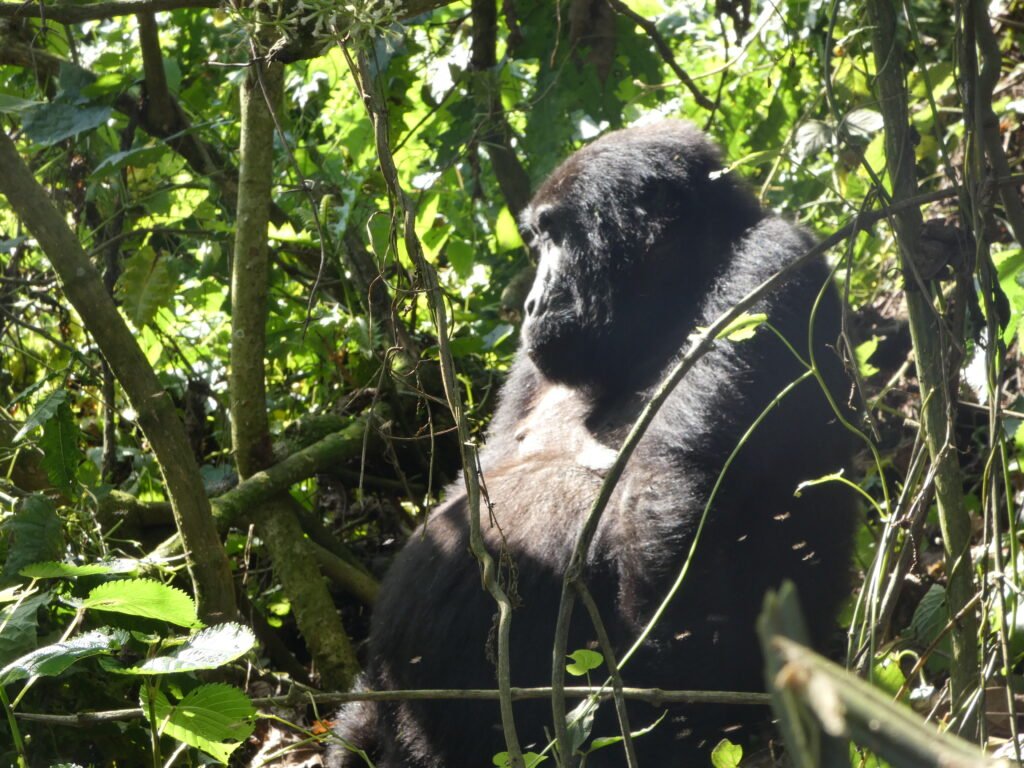
Quick Glance: Gorilla vs Chimpanzee
| Feature | Gorilla | Chimpanzee |
|---|---|---|
| Size | Larger, muscular | Smaller, agile |
| Weight | 300–500 lbs | 70–130 lbs |
| Habitat | Dense forests, mountains | Rainforests, woodlands |
| Diet | Mostly plants | Fruits, insects, occasional meat |
| Social Structure | Stable family groups led by silverback | Flexible communities, fission-fusion groups |
| Communication | Grunts, chest-beating | Screeches, pant-hoots, gestures |
| Lifespan | 35–40 years | 33–38 years |
1. Physical Differences: Strength vs Agility
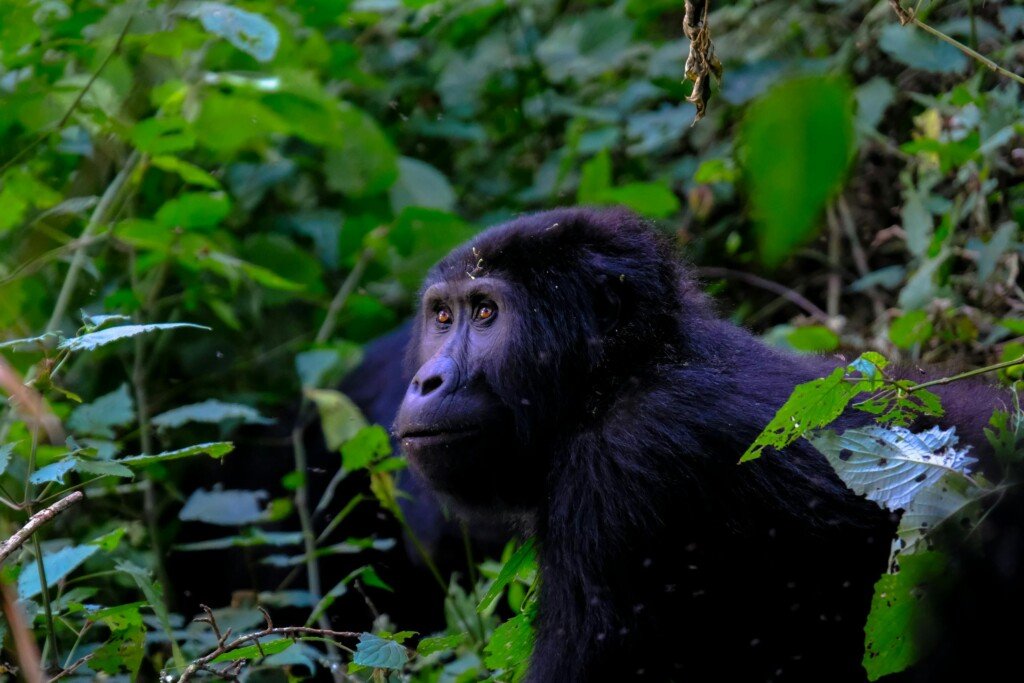
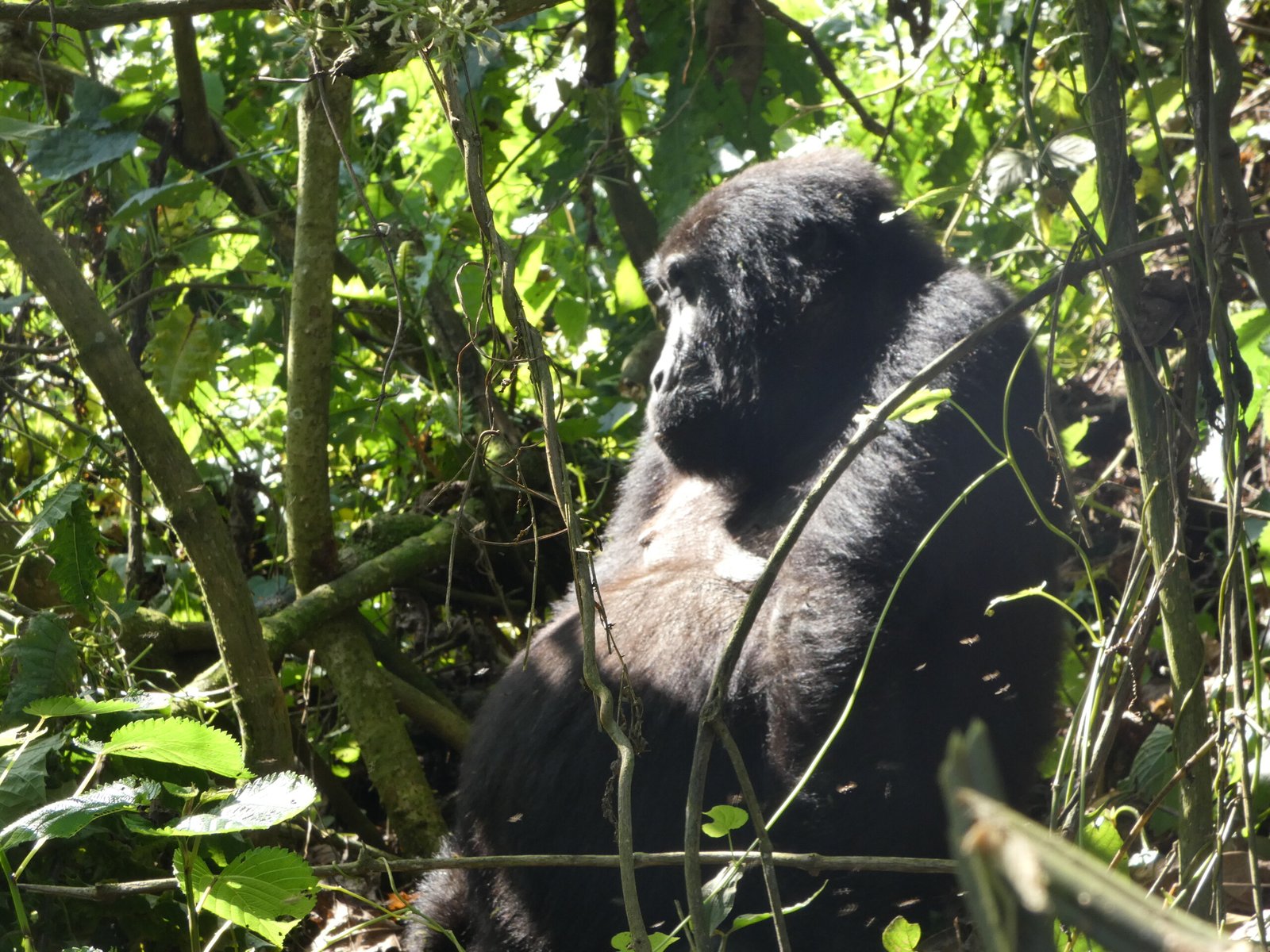
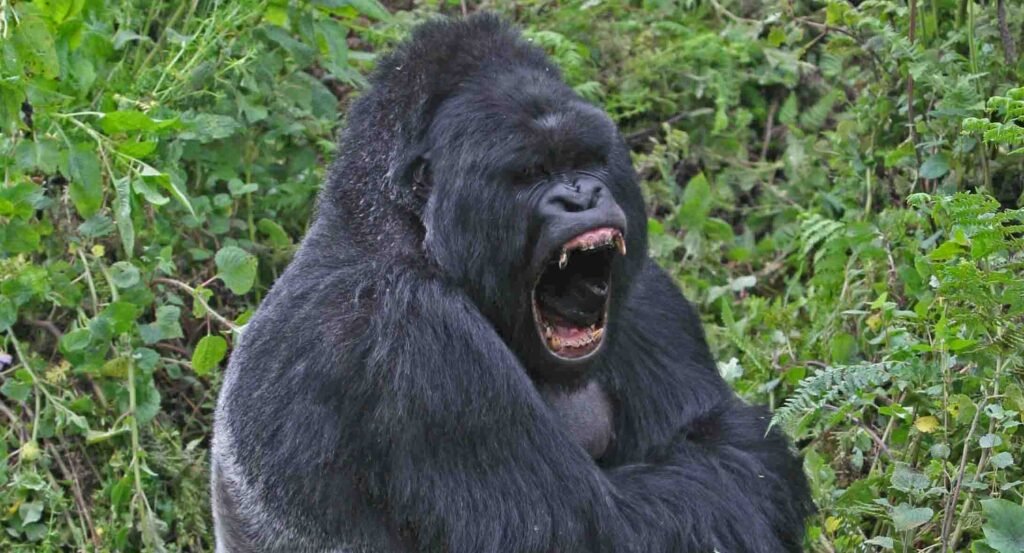
Gorillas are nature’s gentle giants. Standing up to 5’9” and weighing as much as 500 lbs, their massive arms and barrel chests exude raw strength. Watch a silverback as he thumps his chest, the sound reverberates through the forest, a declaration of dominance and protection.
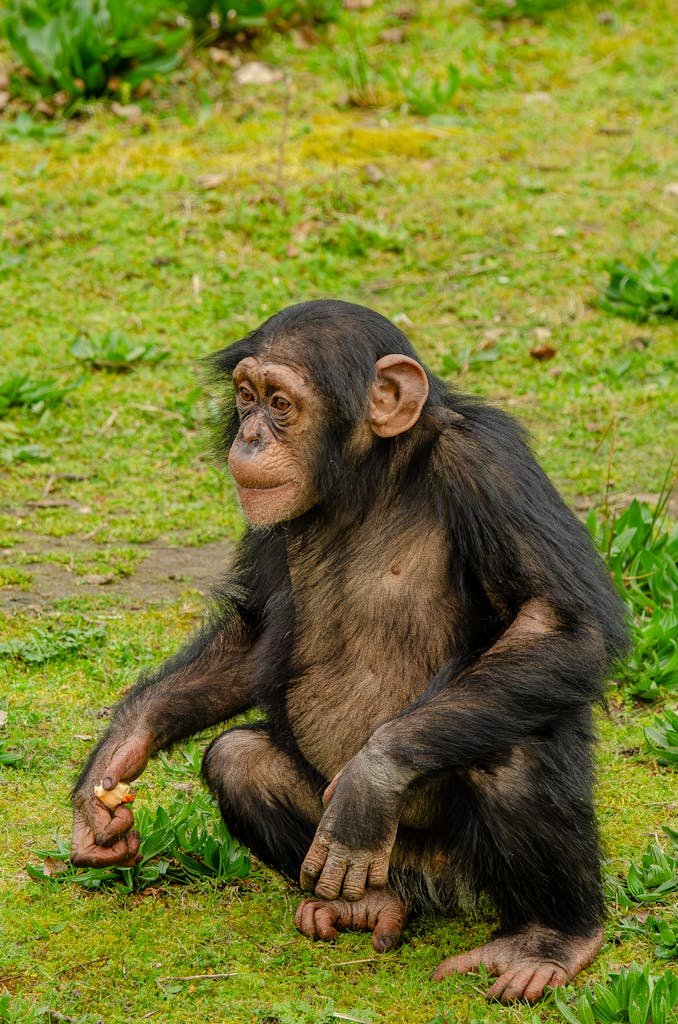
Chimpanzees, in contrast, are built for agility. Slender and nimble, they swing through branches with effortless grace, their long arms carrying them across the canopy like acrobats. Their faces are expressive, eyes darting with curiosity and mischief. Observing these differences helps us appreciate evolution’s diverse solutions to survival.
2. Behavioral Differences: Social Lives and Communication
Gorillas live in tight-knit family groups led by a dominant silverback. Their days are calm: foraging, resting, grooming. The silverback’s leadership is protective rather than aggressive, and the bond between members is palpable, watching a mother cradling her infant is a tender reminder of familial connection.
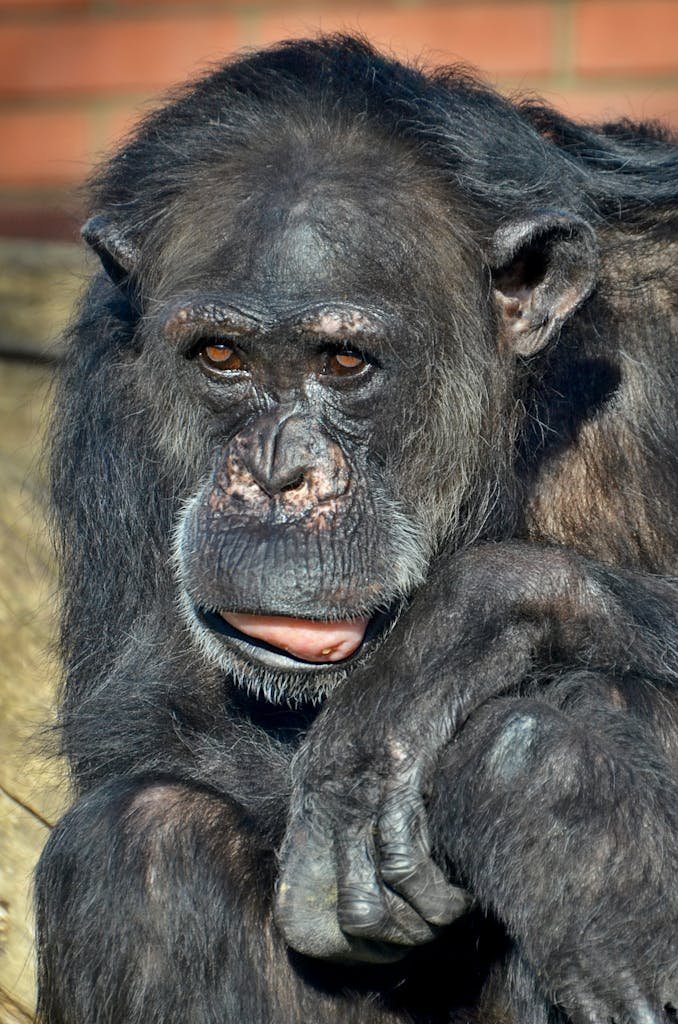
Chimpanzees, on the other hand, are masters of social strategy. Their communities are fluid, splitting and joining in fission-fusion patterns. Communication is constant: high-pitched screams, pant-hoots, and even playful gestures convey complex emotions and intentions. You can almost feel their intelligence radiating as they collaborate, compete, and care for one another.
3. Habitat & Diet: Where They Call Home
Gorillas thrive in dense forests and mountainous regions. Silverbacks patrol misty valleys, while families munch on leaves, stems, and occasional fruit. Ethical eco-tours in places like Bwindi Impenetrable Forest (Uganda) let visitors observe gorillas without disturbing their routines, supporting local guides and communities.
Chimpanzees are more versatile, inhabiting rainforests, woodlands, and savannah edges. Their diet is diverse: ripe fruits, nuts, insects, and sometimes hunting small mammals. Joining a community-led chimpanzee tracking tour not only ensures minimal impact but also benefits local conservation projects.
4. Conservation Status: Protecting Our Relatives
Both gorillas and chimpanzees face threats from habitat loss, poaching, and disease. Eastern gorillas are critically endangered, while some chimpanzee subspecies are endangered. Supporting organizations like WWF or Jane Goodall Institute directly contributes to protection efforts.
When traveling, simple actions like avoiding plastic, respecting park rules, and choosing certified guides help these primates survive for generations to come.
5. Fascinating Facts You Might Not Know
- Gorillas can catch human colds, so close interactions are tightly controlled.
- Chimpanzees use tools; sticks to fish termites, leaves as sponges.
- Infant gorillas cling to their mothers for months, while chimp infants learn quickly by observing older members.
- Gorillas mostly walk on knuckles; chimpanzees are more arboreal and occasionally walk upright.
- Both species share about 98–99% of their DNA with humans, making every encounter deeply relatable.
Travel Kindly: How to Leave a Positive Footprint Here
- Choose Ethical Tours: Opt for certified guides and organizations that prioritize animal welfare.
- Avoid Feeding or Touching Animals: Keeps wildlife safe and healthy.
- Refill, Don’t Litter: Bring reusable bottles; support eco-lodges.
- Support Local Communities: Buy crafts or services directly from locals.
- Stay on Designated Trails: Protect delicate habitats from human impact.
FAQs About Gorilla vs Chimpanzee
Q1: Are gorillas stronger than chimpanzees?
Yes, gorillas are physically stronger due to their size and muscle mass, but chimpanzees are quicker and more agile.
Q2: Can gorillas and chimpanzees communicate with each other?
Not in a structured way—they have species-specific communication, but they can react to each other’s behaviors.
Q3: Where is the best place to see gorillas and chimpanzees in the wild?
Bwindi Impenetrable Forest (Uganda) for gorillas; Kibale National Park (Uganda) for chimpanzees.
Q4: How long do gorillas and chimpanzees live?
Gorillas: 35–40 years; chimpanzees: 33–38 years in the wild.
Q5: Are these primates dangerous to humans?
Generally, no, they avoid humans if respected. Aggression occurs only when threatened or provoked.
Conclusion: More Than Just a Comparison About Gorilla vs Chimpanzee
This journey through the lives of gorillas and chimpanzees reminded me why wildlife matters so deeply. Observing them teaches patience, empathy, and respect for the natural world. When you visit, remember: every ethical choice you make, every local guide you support, every footprint you leave, helps these incredible primates thrive. Share your experience, and inspire others to travel kindly too.
Useful Info Box Gorilla Vs Chimpanzee
- Best Time to Visit: June–September (dry season)
- Starting Point: Entebbe (Uganda) for gorillas and chimpanzees, as well as Kigali (Rwanda)
- Approximate Duration: Gorilla trek: 4–8 hours; Chimp trek: 2–6 hours
- Recommended Guides: Amatsiko Tours Guides
- Community Projects: Support local eco-lodges and primate conservation programs