
7 Powerful Ways Community-Based Tourism in Uganda Transforms Travel and Local Lives
Community-Based Tourism in Uganda is redefining how travelers experience Africa. More than just visiting landmarks or wildlife parks, it allows you to connect deeply with local communities, support sustainable livelihoods, and witness authentic cultural traditions. For tour operators and travelers alike, embracing community-based tourism in Uganda offers both ethical benefits and unforgettable experiences.
Table of Contents
Uganda, known as the “Pearl of Africa,” is rich in biodiversity, cultural diversity, and scenic beauty—from the lush Bwindi Impenetrable Forest to the tranquil shores of Lake Bunyonyi. Community-based tourism in Uganda initiatives ensure that these experiences directly benefit local people, rather than external entities, making your visit meaningful and impactful.
Exploring the Benefits of Community-Based Tourism in Uganda
- Empower Local Communities
When you participate in community-based tourism, your travel dollars support local families, artisans, and schools. For example, volunteering at Amatsiko Preparatory School in Kabale or engaging in eco-friendly farming projects ensures communities thrive while preserving their cultural heritage. - Authentic Cultural Experiences
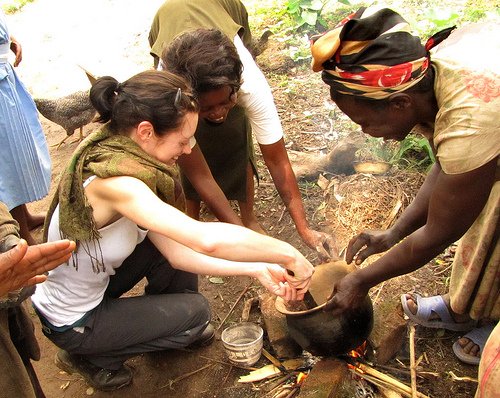
Unlike conventional tourism, which often isolates travelers from local life, community-based tourism offers hands-on experiences. You can learn traditional cooking, participate in cultural dances, or witness crafts being made. This direct engagement fosters mutual respect and understanding. - Sustainable Environmental Practices
Community-based tourism encourages conservation. Local guides trained in sustainable practices lead trekking, bird-watching, and wildlife safaris that minimize environmental impact. Programs in areas like Bwindi Impenetrable Forest combine wildlife protection with community benefits. - Responsible Travel and Ethical Impact
Traveling responsibly means leaving a positive footprint. By booking community-based tours, visitors contribute to education, healthcare, and infrastructure development. This approach ensures tourism uplifts communities instead of exploiting them.

Top Community-Based Tourism Experiences in Uganda
1. Volunteering at Local Schools
Join initiatives like Amatsiko Preparatory School, where you can teach, mentor, or help with school projects. Travelers gain insight into local education challenges while contributing directly to children’s development.
2. Cultural Villages and Homestays
Experience daily life in rural Ugandan villages. Participate in farming, cooking, and traditional ceremonies while staying with local families. These experiences enrich your travel story and deepen your understanding of Ugandan culture.
3. Eco-Farming and Sustainable Projects
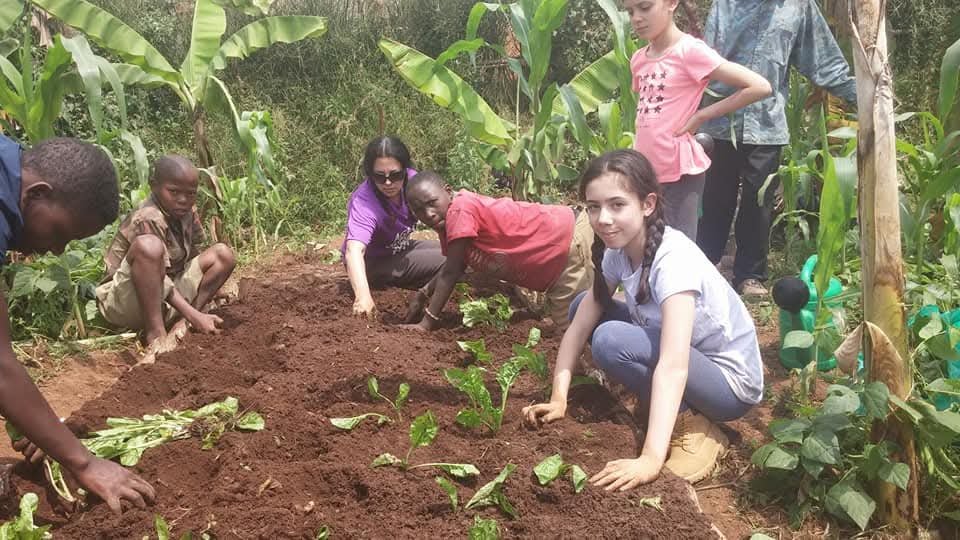
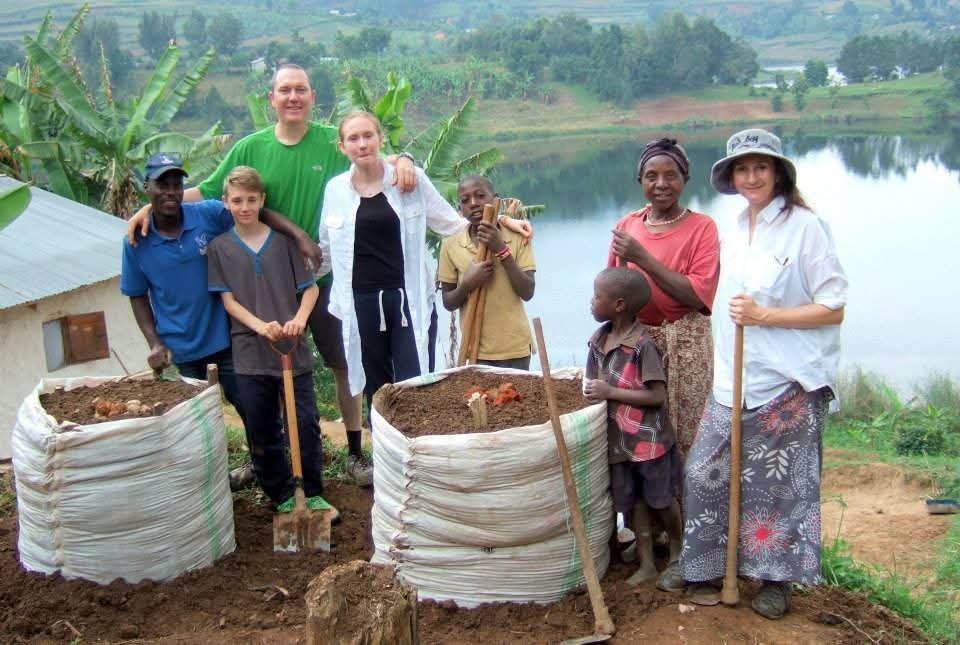
Community farms, beekeeping, and edible gardens allow travelers to contribute actively to local sustainability projects. This hands-on approach provides practical insights into environmental conservation and rural livelihoods.
4. Gorilla Tracking and Wildlife Safaris
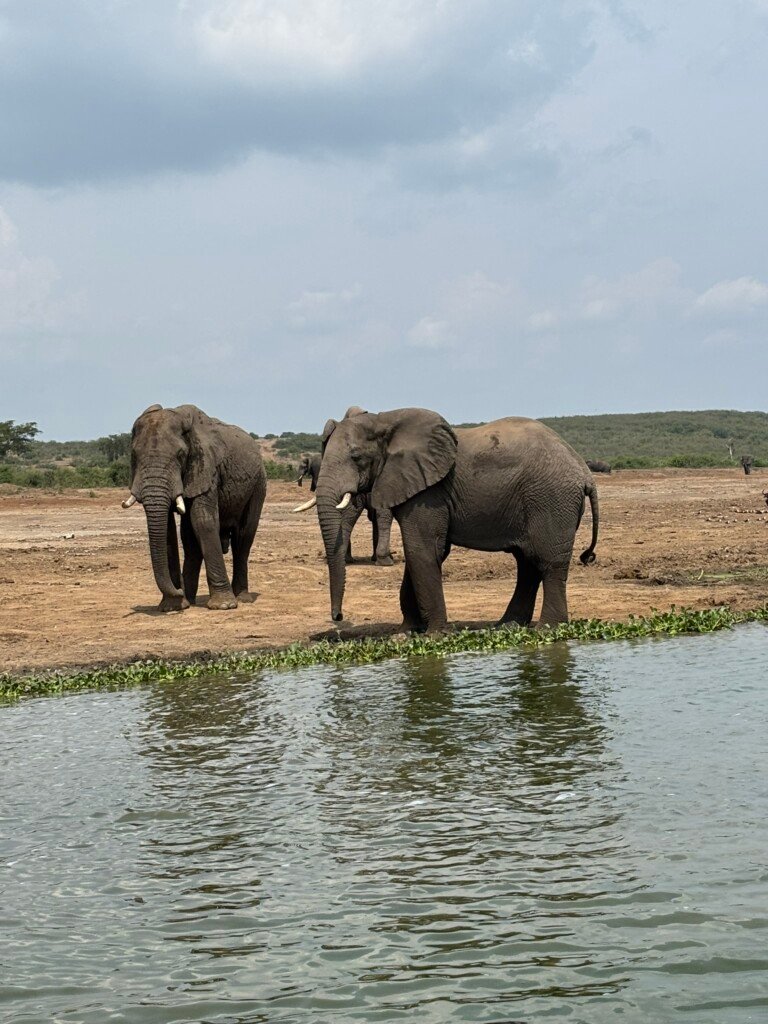
While popular parks like Bwindi Impenetrable Forest offer wildlife safaris, community-based options ensure local guides lead tours, and park fees directly benefit communities. Visitors experience the thrill of Uganda’s wildlife while supporting conservation efforts.
5. Local Artisans and Craft Markets
Support traditional artisans by purchasing handmade crafts and participating in workshops. This ensures the continuation of cultural crafts and provides a fair income for local communities.
Tips for Tour Operators Implementing Community-Based Tourism in Uganda
- Collaborate with local leaders to ensure tours meet community needs.
- Provide fair compensation to local guides and service providers.
- Educate travelers on cultural sensitivity and ethical engagement.
- Promote sustainable practices such as reducing single-use plastics and respecting wildlife habitats.
- Highlight local stories in your marketing to attract responsible travelers.
FAQ: Community-Based Tourism in Uganda
Q1: What is community-based tourism in Uganda?
Community-based tourism in Uganda is a form of tourism that allows travelers to engage directly with local communities, support local livelihoods, and participate in cultural and environmental initiatives.
Q2: How does community-based tourism benefit locals?
It provides income through homestays, guided tours, local crafts, and volunteering, ensuring tourism revenue stays within the community.
Q3: Can travelers volunteer while on a community-based tour?
Yes, programs often include volunteering in schools, farms, or community projects, offering meaningful ways to contribute.
Q4: Is community-based tourism eco-friendly?
Absolutely. Tours are designed to minimize environmental impact, promoting conservation and sustainable practices.
Q5: How can I book a community-based tour in Uganda?
You can explore tours through operators like Amatsiko Tours, which offer immersive experiences that benefit local communities.
Conclusion
Community-Based Tourism in Uganda is more than a travel trend—it’s a transformative approach that connects travelers with the heart of Uganda. Whether you are a tour operator looking to create meaningful travel packages or a traveler seeking authentic experiences, community-based tourism in Uganda ensures your journey leaves a lasting impact.
By embracing these experiences, you not only explore the beauty of Uganda but also empower local communities, preserve traditions, and promote sustainable development. Book your next adventure today and become part of Uganda’s story.