

Unforgettable Batwa Pygmies Experience
Whispers of the Forest: Discover the Batwa Pygmies and Mountain Gorilla Sanctuaries in Uganda
Ancient Culture Meets Wildlife
Table of Contents
Step Into the World of the Batwa Pygmies
Let me take you deep into Uganda’s misty forests, where the air smells of damp earth and moss, and the trees sway gently above the hidden trails of Bwindi and Mgahinga. Here, the Batwa Pygmies — often called “The Keepers of the Forest” — have walked for centuries, in harmony with one of the planet’s most majestic creatures: the mountain gorilla.
The Batwa, small-statured but deeply resilient, were Uganda’s first forest dwellers. Long before conservation policies and national parks, they lived in tune with nature, hunting and gathering, knowing the rhythms of the forest, and learning from the gorillas themselves. Every echo of a drum, every rustle in the canopy, tells a story of a people whose heritage is intertwined with the wild.
Today, visiting the Batwa is more than a cultural encounter — it’s a chance to witness a living legacy of sustainable living and to support a community that has endured displacement and challenges, yet continues to thrive through community-based tourism.

Who Are the Batwa Pygmies?
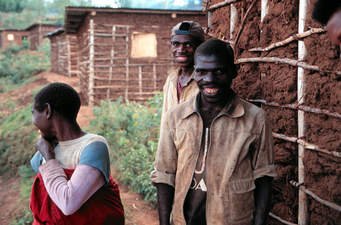
The Batwa Pygmies were traditionally hunter-gatherers, with men hunting bush meat and women gathering wild fruits. They lived in the forests of Uganda, Rwanda, and the Democratic Republic of Congo, relying on their environment for survival. Their shelters were built from branches and leaves, and they used simple tools, including bows and arrows, to hunt and trap animals.
Unfortunately, in 1991, the Batwa Pygmies were evicted from their ancestral lands when the government created national parks and forest reserves to protect the mountain gorillas. Without compensation or prior consent, they were displaced and forced to live as squatters in the forest margins.
A Shared History: The Batwa and Mountain Gorillas
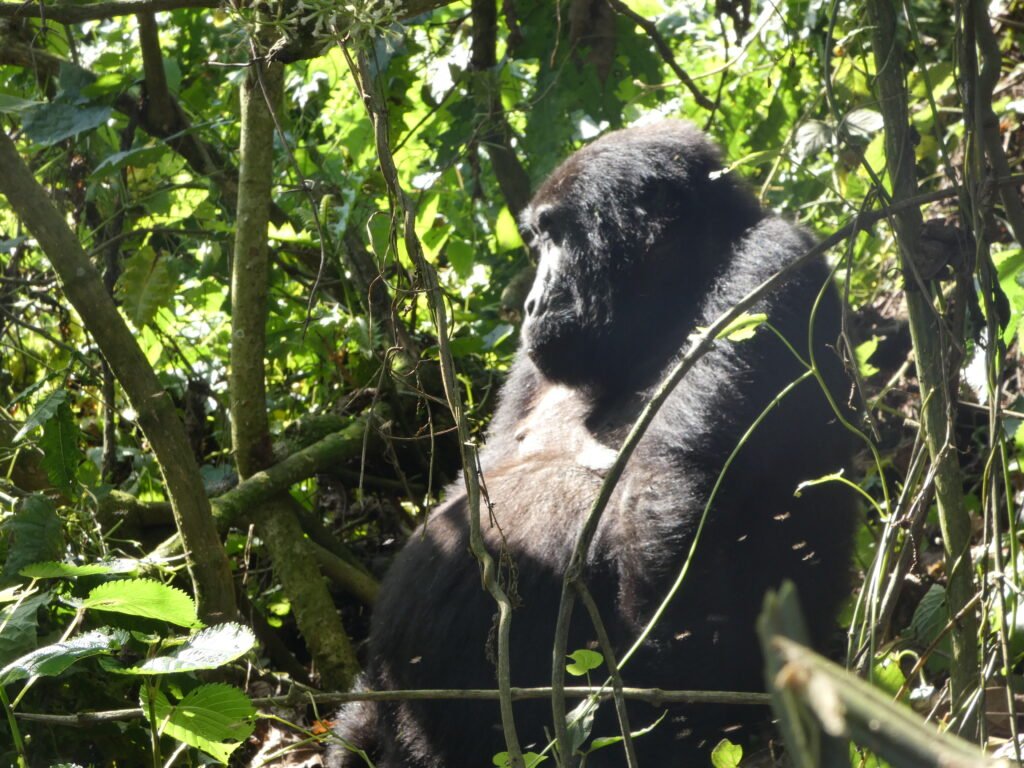
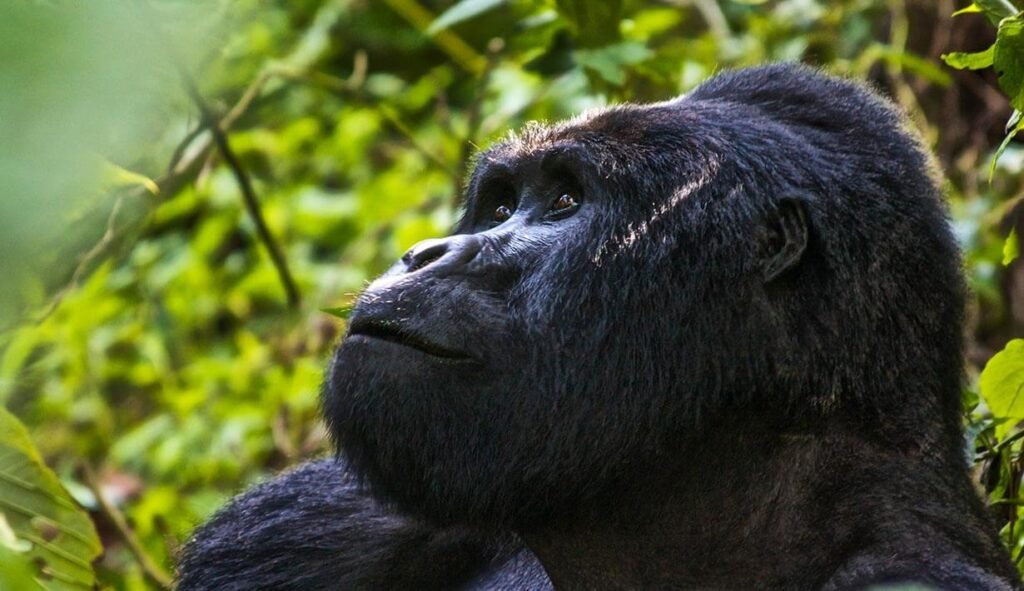
For centuries, the Batwa Pygmies have coexisted with mountain gorillas, studying their behavior and learning the secrets of the forest. Elders tell stories of blackback gorillas teaching Batwa mothers how to care for their young, a rare and humbling example of interspecies connection. Mrs. Priscah, a respected Batwa elder, recalls a blackback gently carrying a Batwa child on its back — a moment that remains etched in the collective memory of the tribe, symbolizing mutual respect and guardianship between humans and gorillas.
Visiting the gorillas today, whether in Bwindi Impenetrable Forest or Mgahinga Gorilla National Park, you walk on trails once frequented by the Batwa. Gorilla trekking permits now fund park conservation, community development, and directly support Batwa initiatives — meaning your adventure contributes to protecting both wildlife and culture.
Cultural and Traditional Practices of the Batwa Pygmies
Batwa cultural experiences are crafted to share centuries of knowledge while empowering the community. Imagine walking with Batwa guides through the lush forest, learning how they gather medicinal plants, fish in forest streams, or track wildlife — not as a spectacle, but as an immersive, respectful exchange.
At a Batwa cultural village, the forest comes alive with music and rhythm. You’ll hear the thumb piano and the steady beat of drums guiding traditional dances that celebrate forest life and ancestral heritage. Visitors often join in, clapping hands and tapping feet, feeling a connection that bridges continents and centuries.
The Batwa women, masters of weaving, invite guests to craft baskets, mats, and bags from local fibers. These aren’t just souvenirs — each piece is a story, a lesson in patience, tradition, and environmental care. Purchasing directly from the artisans ensures your money flows back into the community, supporting education, healthcare, and livelihoods.
Sustainable Community-Based Tourism with the Batwa Pygmies
Uganda’s community-based tourism model allows visitors to make a meaningful impact. When you take part in a Batwa cultural tour, you’re not just observing — you’re participating in an ecosystem of support and conservation.
Key initiatives include:
- Cultural Education: Batwa guides lead forest walks and storytelling sessions.
- Income Sharing: Tourism revenues support local schools, healthcare, and women’s cooperatives.
- Conservation Collaboration: Batwa people are trained in forest monitoring and wildlife protection, turning indigenous knowledge into actionable conservation strategies.
- Eco-Friendly Practices: Activities like weaving use sustainable natural materials; visitors refill reusable bottles instead of single-use plastics.
Recent reports show these programs are thriving. In 2025–2026, new Batwa-led initiatives increased employment for women and youth, expanded craft cooperatives, and contributed to forest conservation efforts — meaning your visit literally helps preserve culture and nature simultaneously.
Learn more about the Batwa Pygmies and their culture from National Geographic or explore Uganda’s wildlife conservation efforts with Uganda Wildlife Authority. For more information, visit Discover Batwa Pygmies.
Join the Batwa Pygmies Cultural Experience
Visiting the Batwa community is not just about tourism—it’s about making a meaningful connection with one of Uganda’s most resilient and unique tribes. When you choose a Batwa cultural experience, you’re helping preserve their traditions, empower their communities, and create lasting memories that go beyond the usual tourist attractions.
Whether you’re trekking to see the mountain gorillas, exploring the dense jungles of Bwindi, or participating in a Batwa cultural tour, you’ll leave with a deeper understanding of Uganda’s indigenous cultures and a renewed appreciation for the importance of community-based tourism in preserving both wildlife and culture.
Why Choose Batwa Cultural Tourism?
Batwa cultural tourism offers an unparalleled opportunity to experience Uganda’s vibrant heritage while contributing to the economic development of local communities. Your visit helps:
- Support sustainable tourism: Proceeds from Batwa cultural tours go directly to supporting the community and their ongoing conservation efforts.
- Empower the Batwa community: Participating in traditional activities allows visitors to interact with the Batwa people and learn first hand about their history, customs, and daily life.
- Preserve cultural heritage: Your involvement helps ensure that future generations of Batwa can continue to share their stories, traditions, and knowledge with the world.
A Day with the Batwa: What to Expect
Morning: Start at the Batwa cultural village near Bwindi or Mgahinga. Learn about traditional hunting tools, plant medicine, and forest tracking. Taste forest-foraged snacks prepared by the community — a simple, earthy breakfast that connects you to the land.
Midday: Join a weaving workshop led by Batwa women. Feel the textures of fibers, learn patterns passed down for generations, and create a small piece to take home.
Afternoon: Participate in traditional dances. Feel the drums vibrate through the forest floor and the laughter of children echo across the village. Listen to Batwa stories — tales of forest spirits, gorilla guardians, and ancestral wisdom.
Evening: Reflect on your day, knowing your visit supports sustainable livelihoods, conservation, and cultural preservation. Perhaps walk along the trail, watching the canopy turn golden as the sun sets over the mountains.
Travel Kindly: How to Leave a Positive Footprint Here
- Engage Respectfully: Always ask before photographing or recording. Participation is a privilege, not a performance.
- Support Directly: Buy crafts and souvenirs directly from Batwa artisans. Avoid intermediaries.
- Contribute Thoughtfully: Choose tour operators committed to revenue-sharing and ethical tourism.
- Travel Light: Use refillable bottles, avoid plastics, and follow park rules.
- Listen and Learn: Absorb stories, respect rituals, and leave judgments at the forest edge.
Useful Info for Planning Your Visit To Batwa Pygmies
- Best Time to Go: June–September & December–February (dry seasons for trekking and cultural tours)
- Starting Points: Kampala or Kisoro airports; road transfer to Bwindi or Mgahinga
- Duration: Half-day cultural experience or full-day combined with gorilla trekking
- Gorilla Permits: ~$800 USD (standard), ~$1,500 USD (habituation experience)
- Recommended Operators: Bwindi Uganda Gorilla Trekking, Mgahinga National Park Batwa Cultural Trail
- Community Links: Mgahinga Batwa Cultural Experience
Frequently Asked Questions (FAQs) About Batwa Pygmies in Uganda
1. Who are the Batwa Pygmies, and why are they important to Uganda’s heritage?
The Batwa Pygmies are one of Uganda’s oldest indigenous tribes, historically forest dwellers and hunter-gatherers. They coexisted with mountain gorillas for centuries, learning from the forest and its wildlife. Today, they preserve their culture through community-based tourism, sharing traditions like weaving, storytelling, and traditional dances while contributing to sustainable development.
2. Can visitors interact with the Batwa Pygmies, and what experiences are offered?
Yes! Visitors can join immersive cultural experiences, including forest walks, weaving workshops, storytelling, traditional music and dances, and demonstrations of ancient skills like hunting techniques and plant medicine. These experiences are led by Batwa guides and directly support their community.
3. How does visiting the Batwa contribute to conservation and community development?
Tourism revenues from Batwa cultural experiences help fund education, healthcare, women’s cooperatives, and conservation projects. By visiting ethically, travelers support the Batwa’s livelihoods and the protection of mountain gorilla habitats in Bwindi and Mgahinga National Parks.
4. When is the best time to visit the Batwa and go gorilla trekking in Uganda?
The ideal time is during the dry seasons: June–September and December–February. These months offer the best weather for trekking, forest walks, and cultural activities, ensuring a safer and more enjoyable experience.
5. How can I ensure my visit is ethical and respectful?
Choose tour operators committed to responsible tourism that share revenue with the Batwa. Always ask before taking photos, participate respectfully, buy crafts directly from the artisans, and follow park guidelines. Engaging thoughtfully ensures your visit supports culture, conservation, and community welfare.
Conclusion: Uganda’s Living Heritage
Visiting the Batwa Pygmies is more than tourism — it’s a journey through time, a dance with nature, and a chance to support a resilient community. You leave not only with memories but with a tangible impact: preserving culture, supporting conservation, and connecting to one of Africa’s most ancient traditions.
When you explore Uganda — trekking gorillas, listening to the Batwa, wandering forest trails — you’ll realize that travel can do more than show the world. It can help sustain it.
Let the drums of the forest guide you, and leave footprints that matter with Amatsiko Tours


3 Comments