Uganda–Rwanda–Burundi safari planning for best wildlife safari tours in East Africa
Table of Contents
At a Glance:
Anchor your safari to a gorilla permit; it’s key for planning Uganda- Rwanda- Burundi Safari tours.
Experience diverse landscapes: Bwindi forests, Kigali city life, and Burundi’s lakeside culture.
Gorilla trekking in Uganda requires early starts; stay near your trekking sector.
Best travel times depend on road conditions and weather tolerance.
Use a 4×4 on steep, narrow roads, and plan for 4–8+ hours of driving plus border time.

Planning a Uganda Rwanda Burundi safari is one of the best ways to experience East Africa’s incredible wildlife, mountain gorillas, vibrant cultures, and breathtaking landscapes in one unforgettable journey.
The smartest way to stitch Uganda, Rwanda, and Burundi into one trip is to anchor your dates around a gorilla permit, then build the road transfers and city time around that fixed point. That’s how you turn an ambitious loop into one of the best wildlife safari tours in East Africa without burning days on backtracking. Expect early starts, a 4×4 on Uganda’s steep sector roads, and a mix of rainforest humidity, cool highland evenings, and lakeside air that smells like wet grass after rain.
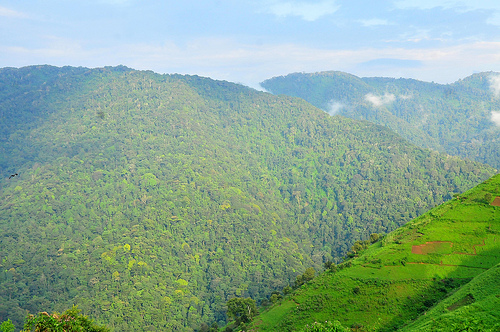
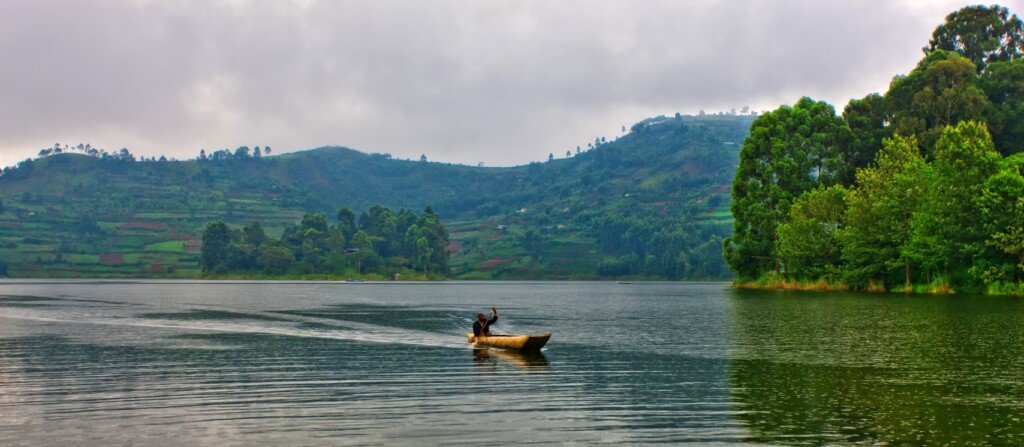
You’re not chasing “three countries” for bragging rights. You’re stacking contrasts: Bwindi Impenetrable National Park forests, Kigali’s clean city rhythm, Lake Bunyonyi’s quiet shorelines, and Burundi’s under-the-radar lakeside culture.
Why Uganda Rwanda Burundi Safari work best as one circuit
This three-country safari makes sense when you want primates, classic wildlife drives, and city-and-culture time in a single, logical route. The core planning reality is simple: gorilla trekking in Uganda runs on limited daily permits, and the trekking sector you’re assigned determines where you should sleep and which border crossing saves you hours.
Gorilla trekking days start early. You’ll feel the damp air in the forest and the grit on your boots before breakfast sits right.
If you’re building best African wildlife experiences into one itinerary, prioritize this order: Rwanda entry (Kigali), Uganda gorillas (Bwindi Impenetrable National Park or Mgahinga Gorilla National Park), then recovery at Lake Bunyonyi, then onward to Burundi if you want a quieter finish.
Our strongest tip, honestly: don’t “wing” the night-before location. Sleep in the same Bwindi trekking sector area as your permit, or you’ll be in a vehicle in the dark, on steep roads, counting minutes.
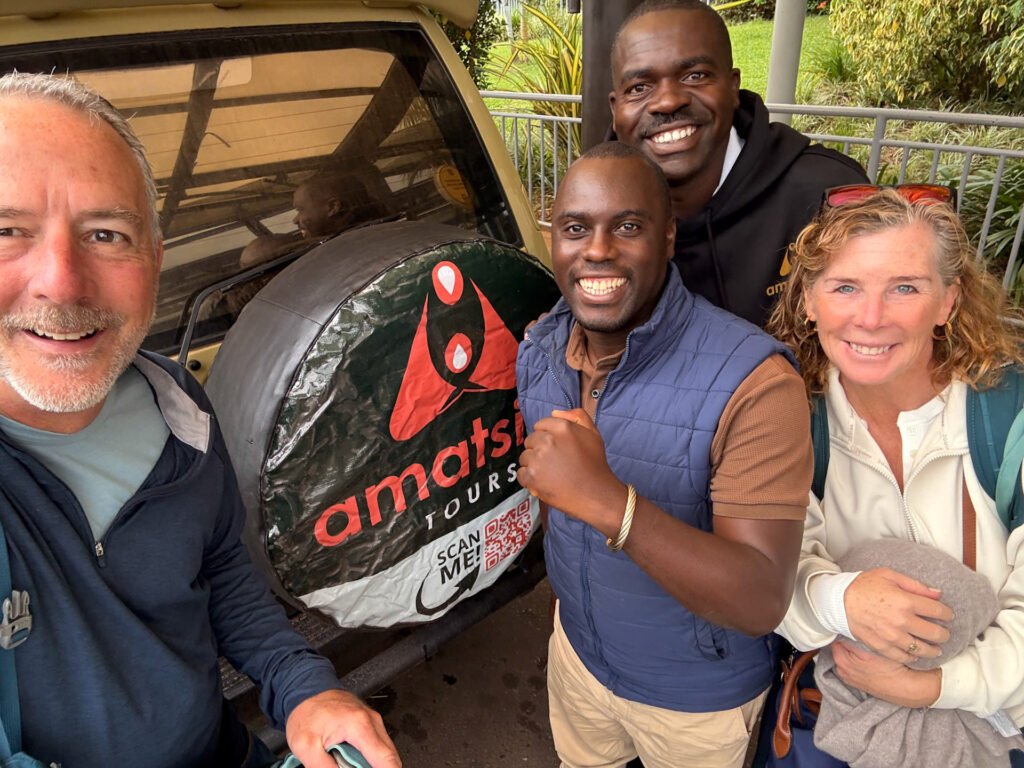
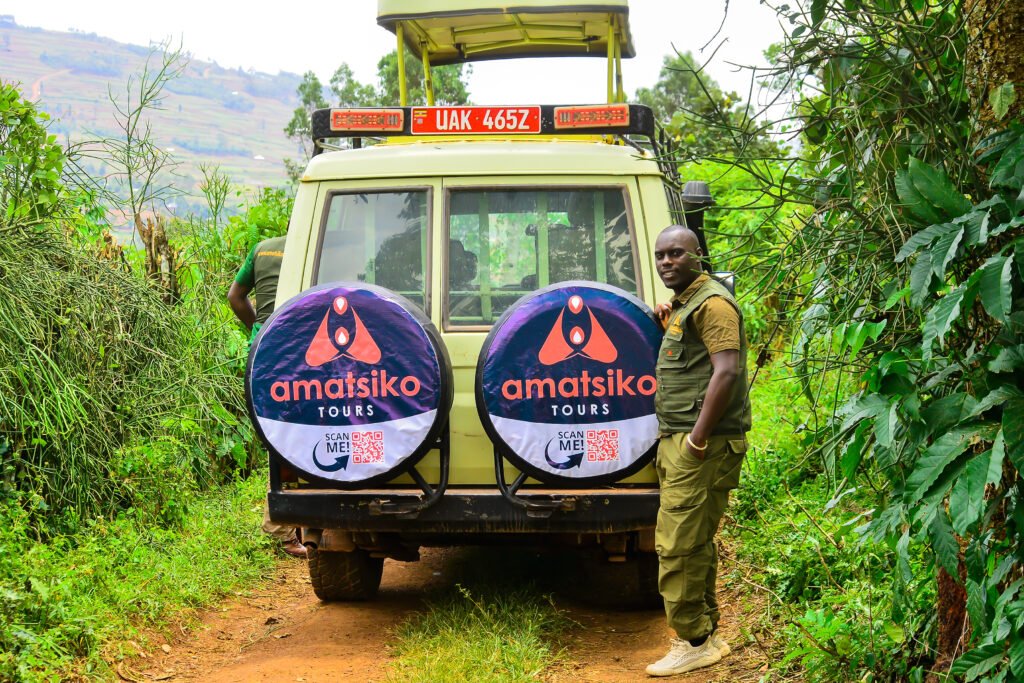
“We searched for a wholly local tour operator hoping our visit to Uganda might benefit local communities as well as including Uganda’s natural beauty and wildlife. Amatsiko Tours is owned and operated by Alex and Alphonse, who have dedicated their working lives to helping the most vulnerable in their communities. Alex curated a two weeks itinerary for us that provided the most amazing and memorable experiences: visiting remote communities and schools, welcomed by so many people in out of the way places, gaining insights into community life and culture, walking with rhinos, giraffes and zebras, and of course gorilla and chimpanzee trekking. Our accommodations and food options were all great and our air conditioned 4WD vehicle was supremely comfortable and unstoppable whether in towns, on the open road or on the many safari game drives we undertook. Uganda is beautiful, safe and friendly and I can think of no better way to experience it than with the caring, knowledgeable experts at Amatsiko Tours.”
— TripAdvisor, 5.00
“If you’re considering a trip to Uganda, stop searching. Amatsiko Tours is in a class entirely of its own. From the moment we arrived, everything was handled with a level of care and professionalism that made the entire experience effortless. Airport pickup, beautiful accommodations, seamless transportation, and delicious meals. Every detail was thoughtfully arranged. We were driven in a spotless, comfortable vehicle and never once had to worry about logistics. We could simply be present and absorb the experience.”
— 565carolyno, TripAdvisor, 5.00
“Wow where to begin with this experience! First, let’s say we were easily the most difficult clients they must have had, throwing them curve balls left and right. From missed flights, to missing baggage, to itinerary changes, plus the added challenge of us working on a film project while with them, Alex and Alfonse made us feel calm and easy in what otherwise would have been a very stressful situation.”
— Sophie Schneeberger, Google, 5.00
You’ll notice the shift at the border. Rwanda’s main roads feel polished. Uganda’s last-mile approaches to Bwindi feel real.
Best time to visit Uganda Rwanda Burundi for safari logistics
The best time to visit is the window where road conditions, border processing, and early-morning gorilla briefings stay predictable. The planning constraint isn’t a calendar month we can promise. It’s your tolerance for rain, mud, and slower sector access roads, especially on the Uganda side where steep gradients and narrow approaches are part of the deal.
Dryer periods reduce stress. Wet months raise the value of a proper 4×4 and extra buffer time.
Two practical timing rules keep your trip on track:
Lock your gorilla permit date first, then build everything else around it
Plan your Kigali-to-Bwindi transfer as 4–8+ hours driving plus border time, depending on border post and Bwindi sector
If you’re collecting safari tour preparation tips, start with daylight. Aim to arrive in Kabale, Kisoro, or a sector-area lodge before dinner, not late-night check-in when you’re tired and the roads are less forgiving.
Uganda gorilla trekking experience in Bwindi and Mgahinga
Uganda’s gorilla trekking is the emotional center of this route, and it’s also the most regulated piece of the trip. Gorilla trekking in Uganda requires a permit issued by the Uganda Wildlife Authority, and permits are limited per day. That limit drives your dates, your sector, and your lodging.
The forest is humid and close. You’ll hear insects, feel slick leaves brushing your sleeves, and notice how quickly the temperature changes under canopy.
Bwindi Impenetrable National Park sector planning
Bwindi Impenetrable National Park is divided into trekking sectors, and your sector decides your whole pre-trek night.
Common sectors used in itineraries:
Buhoma
Ruhija
Rushaga
Nkuringo
Once gorillas are found, visitors typically spend one hour with them under standard rules for habituated treks.
Insider detail that saves your morning: don’t sleep “near Bwindi” in a generic sense. Sleep near your sector. That one choice can cut a pre-dawn transfer that drains you before you even start walking.
For deeper prep, use 7 Essential Tips for a Gorilla Trek Uganda Adventure.
Mgahinga Gorilla National Park as a quieter alternative
Mgahinga Gorilla National Park is smaller and is commonly paired with golden monkey tracking. It’s typically accessed efficiently from the Kisoro area, especially if you’re coming from Kigali via Cyanika.
If you’re being picky (I am), Mgahinga fits best when you want a less crowded feel and a tighter Southwestern Uganda loop, not when you’re trying to cover every highlight in one sprint.
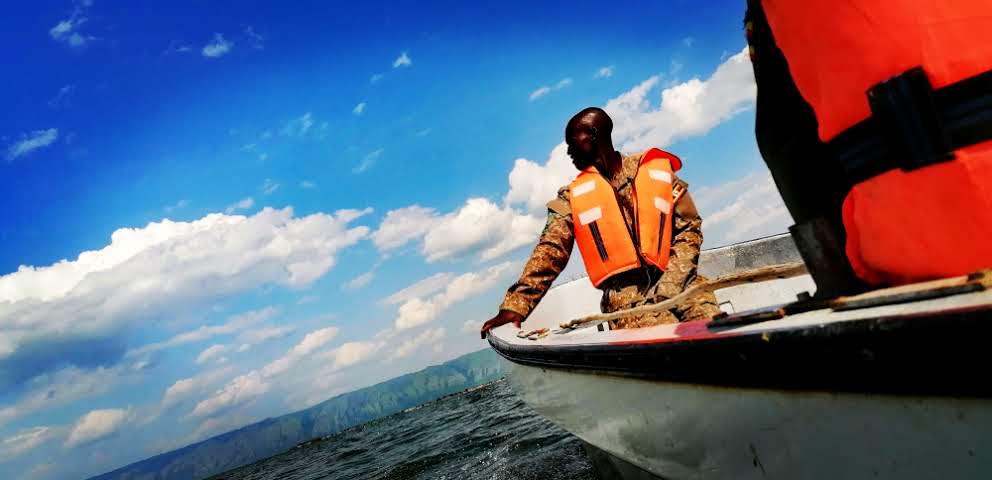
The trek itself doesn’t care about your itinerary. Your legs will notice.
Rwanda’s Volcanoes region and Kigali add structure and culture
Rwanda gives this circuit a clean start and a strong cultural counterweight to the forests and long drives. Kigali is also a practical gateway if you’re arriving via Kigali International Airport and want a shorter overland transfer to the gorilla region than starting deeper in Uganda.
Kigali mornings feel crisp. Traffic builds fast, and speed control on major corridors affects timing more than people expect.
Use Kigali for one job: arrive, reset, and position for the cross-border transfer. Keep your city plan tight, then get moving. A late departure from Kigali is the easiest way to turn a clean transfer day into a grind.
If you want an East Africa safari guide approach to city time, keep it simple: one focused cultural stop, one good meal, early sleep. You’re trekking soon.
Burundi’s hidden gems belong at the end of the loop
Burundi makes the most sense as the quieter final chapter, after you’ve done the permit-anchored gorilla days and any wildlife drives you’re prioritizing elsewhere. The draw is the feel of a less-trafficked destination: Lake Tanganyika, Bujumbura, and cultural moments that don’t feel staged.
Lake air changes everything. It’s warmer, softer, and it carries that mineral smell you get near big water.
This is where you slow down on purpose. Skip the urge to pack every hour. Give yourself a full day where the only plan is shoreline time, a market walk, and a long lunch. That’s where Burundi lands.

If you’re chasing best African wildlife experiences, Burundi is the contrast piece, not the headline.
How to travel between Uganda, Rwanda, and Burundi by road
This circuit works because the Rwanda–Uganda border crossings are straightforward to plan when you match them to your Bwindi sector. Most travelers doing a Kigali to Bwindi safari cross the Rwanda–Uganda border by road via Cyanika or Katuna and overnight in Kabale, Kisoro, or near a Bwindi trekking sector. Typical travel time is 4–8+ hours driving (plus border time).
Border processing time isn’t fixed. Build buffer. And keep your documents organized before you reach the queue.
Cyanika border and Katuna border serve different Bwindi sectors
Pick the border post based on where you’re sleeping and which sector you’re trekking.
Cyanika border (Rwanda) ↔ Kisoro (Uganda) aligns well with:
Southern Bwindi sectors: Rushaga and Nkuringo
Mgahinga Gorilla National Park
Shorter Kigali-to-Kisoro routing
Katuna border (Rwanda) ↔ Kabale (Uganda) aligns well with:
Kabale staging and local logistics
Lake Bunyonyi add-on
Access that can work well for Ruhija (and onward planning toward Buhoma, with longer drives)
The Uganda side is where you’ll feel the road change. Steep gradients, narrow stretches, and rough or muddy sections in rainy season. A 4×4 is strongly recommended for Bwindi sector access year-round.
Kigali to Bwindi realistic drive-time ranges
Use these as planning ranges, not promises:
Route segment | Typical range | Best for | Notes |
|---|---|---|---|
Kigali → Cyanika border → Kisoro | 4–6 hours (incl. border stop) | Kisoro, Rushaga, Nkuringo, Mgahinga | Shorter for southern-sector plans |
Kigali → Katuna border → Kabale | 5–7+ hours (incl. border stop) | Kabale, Lake Bunyonyi staging | Good for Bunyonyi add-on |
Kisoro → Rushaga/Nkuringo area | 1–2+ hours | Southern Bwindi sectors | Lodge location changes timing |
If you want to go deeper on logistics, keep travel advice for visitors to Uganda open while you plan.
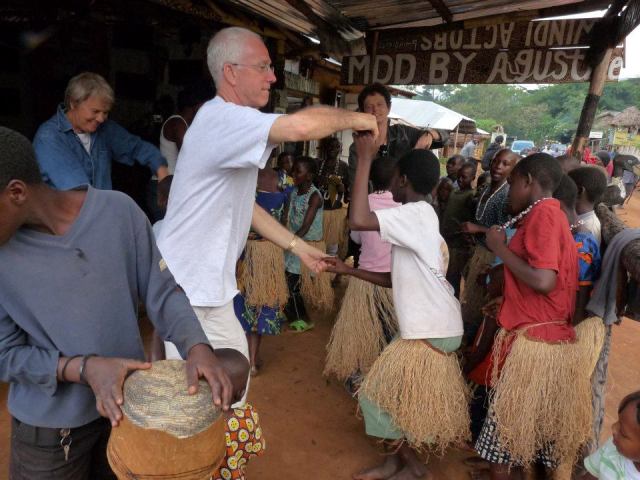
The best transfer day feels boring. That’s the goal.
Uganda Rwanda Burundi safari itinerary that stays permit-first
A practical itinerary for this route keeps the gorilla permit as the anchor, then stacks wildlife and culture around it. That’s the backbone of wildlife safari packages East Africa that don’t collapse under their own driving times.
If you’re planning adventure safari tours in East Africa, keep your itinerary modular. One module per day. One clear overnight base.
A permit-anchored sample flow
Day 1: Arrive Kigali, short city reset, early night
Day 2: Kigali to Uganda via Cyanika or Katuna, overnight in Kisoro or Kabale (or sector-area lodge)
Day 3: Gorilla trekking Uganda in Bwindi Impenetrable National Park (or Mgahinga Gorilla National Park), overnight near sector or transfer toward Lake Bunyonyi
Day 4: Lake Bunyonyi recovery day, slow pace, early dinner
Day 5: Continue onward for wildlife drives (Uganda savannah parks) or reposition for Burundi
Day 6+: Burundi lakeside time around Lake Tanganyika and Bujumbura, cultural focus
The flaw: this loop asks a lot of your energy if you compress it. Don’t. Add a buffer night if your schedule allows it.
For Uganda building blocks, use Uganda tours and safaris and national parks in Uganda to map your safari days.
What to pack and plan for an East Africa safari
Good planning looks unglamorous on paper. On the ground, it’s the difference between enjoying the forest sounds and thinking about your wet socks.
This is the section you come back to the night before departure. Real safari tour preparation tips focus on friction points: permits, borders, and the last-mile roads to Bwindi sectors.
Pack and plan with these specifics:
A waterproof layer you’ll actually wear in humid forest air
Shoes with grip for steep, sometimes muddy sector approaches
A simple document folder for passport, visas, and vaccination documentation (requirements change)
A daypack that stays comfortable for hours, not minutes
Cash planning and basic budgeting for border days and rural stops
A pacing rule: no late Kigali departures on transfer days
And one opinion we’ll stand by: if you’re trying to create top wildlife species to see in East Africa moments, don’t sabotage yourself with a red-eye arrival and same-day border crossing. Sleep first.
If you want packing detail grounded in Uganda realities, use what to pack for Uganda.
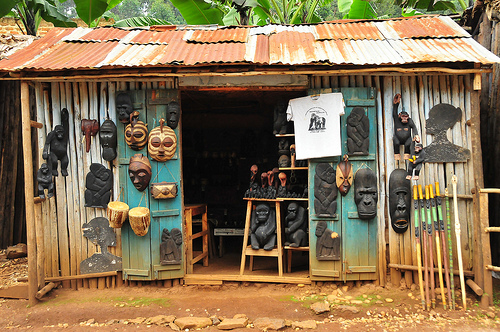
You’ll thank yourself for dry gear.
Value decisions for wildlife safari packages East Africa
The cost structure on this route is driven by fixed permit availability and the logistics needed to make the schedule hold. For gorilla trekking, the gorilla permit fee is typically the largest fixed cost, then transport, then accommodation. That’s why we quote trips itemized, separating permits from logistics and lodging, so you can see what’s driving the number.
Private routing costs more. It also wastes fewer hours. Shared routing can work, but it forces one permit date and sector strategy for everyone.
If you’re weighing options inside an East Africa safari guide mindset, decide these three things early:
Private vs small-group transfers for cross-border days
Which Bwindi sector matches your route (Buhoma, Ruhija, Rushaga, Nkuringo)
Whether Lake Bunyonyi is a recovery stop or a skip
Key takeaways for best wildlife safari tours in East Africa
A Uganda Rwanda Burundi circuit works when you anchor your dates to a Uganda Wildlife Authority gorilla permit, then match your border post to your Bwindi sector. Kigali to Bwindi road transfers typically plan at 4–8+ hours plus border time, with Cyanika aligning well for Kisoro and southern sectors and Katuna aligning well for Kabale and Lake Bunyonyi. Sleep near your trekking sector, use a 4×4 for sector roads, and keep one buffer night to protect the itinerary.
Frequently Asked Questions For Uganda Rwanda Burundi Safari
1. How should I plan my Uganda, Rwanda, and Burundi safari?
The most effective way to plan this trip is by securing your gorilla trekking permit first, as it dictates your entire itinerary. Plan around this permit by scheduling your road transfers and city visits accordingly. Consider starting in Rwanda (Kigali), then proceeding to Uganda for gorilla trekking, followed by a recovery stop at Lake Bunyonyi, and finally, relax in Burundi.
2. What is the best time to visit Uganda, Rwanda, and Burundi for a safari?
The ideal time to visit these countries for a safari is during the drier months, which offer better road conditions and easier access to gorilla trekking sites. However, specific timing should be flexible to accommodate personal tolerance for rain and mud, especially on Uganda’s steep roads.
3. What should I expect during gorilla trekking in Uganda?
Gorilla trekking in Uganda, primarily in Bwindi Impenetrable National Park or Mgahinga Gorilla National Park, requires a permit and involves early starts. The trek is in humid forests, where you’ll spend about one hour observing gorillas once they are found. It’s crucial to stay overnight near your designated trekking sector to minimize travel time in the morning.
4. How do I travel between Uganda, Rwanda, and Burundi by road?
For road travel between these countries, plan your border crossings based on your trekking sector. The Cyanika border is suitable for southern Bwindi sectors and Mgahinga, while the Katuna border is better for Kabale and Lake Bunyonyi. Travel times can vary, typically ranging from 4 to 8+ hours, including border crossing time. It’s advisable to use a 4×4 vehicle for accessing Bwindi sectors.
5. What should I pack for an East Africa safari?
When preparing for an East Africa safari, pack a waterproof layer, shoes with good grip, a comfortable daypack, and organize your travel documents. Also, plan your cash needs for border crossings and rural stops. Avoid late departures from Kigali on transfer days to ensure a smooth journey. For more packing tips, refer to packing advice.
6. How do I choose the best Bwindi trekking sector?
Selecting the right Bwindi trekking sector is crucial and should align with your overall route. The common sectors are Buhoma, Ruhija, Rushaga, and Nkuringo. Stay near your chosen sector the night before your trek to avoid lengthy morning transfers. This decision impacts your border crossing choice and overall itinerary efficiency.
Ready to experience the best of East Africa? Whether you’re looking for gorilla trekking, wildlife safaris, cultural encounters, or a tailor-made Uganda, Rwanda, and Burundi itinerary, Amatsiko Tours can create a journey that matches your interests and budget.
Contact us today to start planning your unforgettable East African safari.
Alex Atuheire