Uganda Dry Season Weather Patterns: Best Time to Visit Uganda
Table of Contents
At a Glance:
Uganda’s dry seasons are June–September and December–February, ideal for gorilla trekking and safaris.
Dry months offer easier travel with firmer trails, less mud, but more dust.
Wet seasons mean greener landscapes but slower travel due to muddy roads.
Temperature varies with altitude; mornings and highlands are cooler.
Plan activities based on these seasonal advantages for smoother travel.
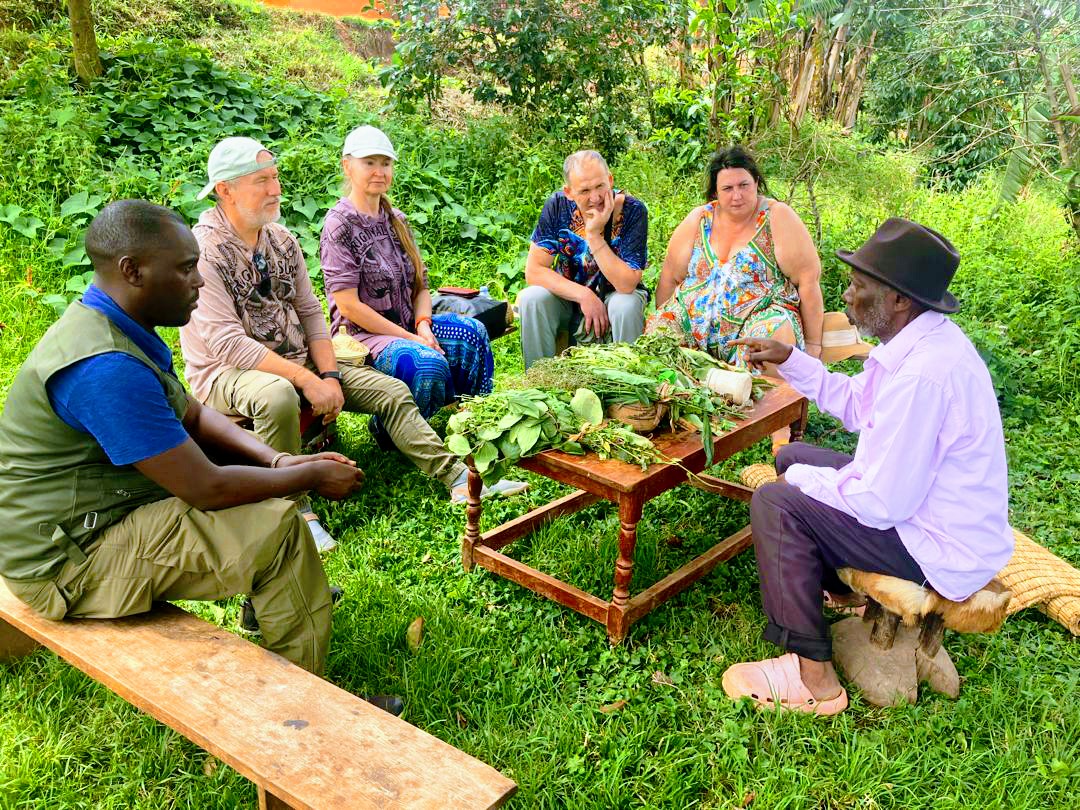
Uganda dry season weather patterns shape everything you’ll do on the ground, from how early you leave camp to how muddy the last mile gets into a forest lodge. Uganda can be visited year-round, but the best time to visit Uganda for the cleanest logistics is the dry seasons, June to September and December to February. Those windows line up with easier road access, clearer hiking days, and reliable wildlife viewing.
You’ll still get great trips in the rains. You just plan differently, pack differently, and pick activities that like moisture instead of fighting it.
Uganda dry season months set the easiest conditions for moving around
The Uganda dry season months, June to September and December to February, deliver the most predictable travel days for safaris, primate tracking, hiking, and community visits. You’ll feel it in the small things: less humidity in the vehicle, fewer slippery footpaths, and more dependable drive times between towns and park gates. And you’ll hear it, too, the crunch of dry ground under your boots instead of the suction sound of mud.
Dry season also reduces the “last-mile” stress. Roads into remote areas can turn rough or muddy in wet months, and a 4×4 stays the smart choice year-round.
Uganda dry season weather patterns travel tips that save your day
Start with a practical mindset. The dry season is easier, not effortless.
Lock your gorilla trekking date first, then line up lodging close to your trekking sector
Leave earlier than you think on transfer days, especially if you’re crossing a border
Keep a light rain layer in your daypack anyway, because weather shifts fast in the highlands
Put your walking shoes in your carry-on, not your checked bag, if you’re flying in
That last one feels picky. It’s also the difference between trekking in broken-in shoes or brand-new blisters.
Uganda dry season weather patterns favor gorilla trekking logistics
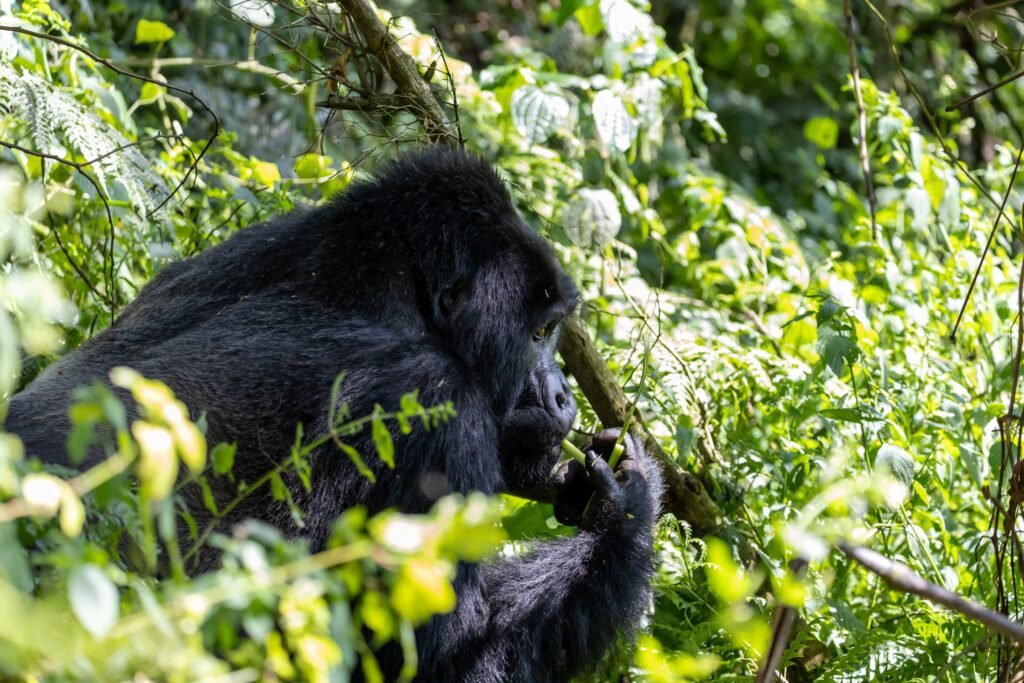
Uganda dry season weather patterns matter most in the gorilla region because steep gradients and narrow roads punish bad timing. If you’re planning gorilla trekking Uganda in Bwindi Impenetrable National Park, your permit sector dictates where you should sleep. Bwindi is divided into trekking sectors, and you’ll want to wake up close to your briefing point, not in a town that adds an extra drive before dawn.
The air in the forest can still feel cool and damp at first light. Expect wet leaves and earthy smells even in dry months, especially in shaded sections of trail.
Plan Your Uganda Safari Around the Seasons
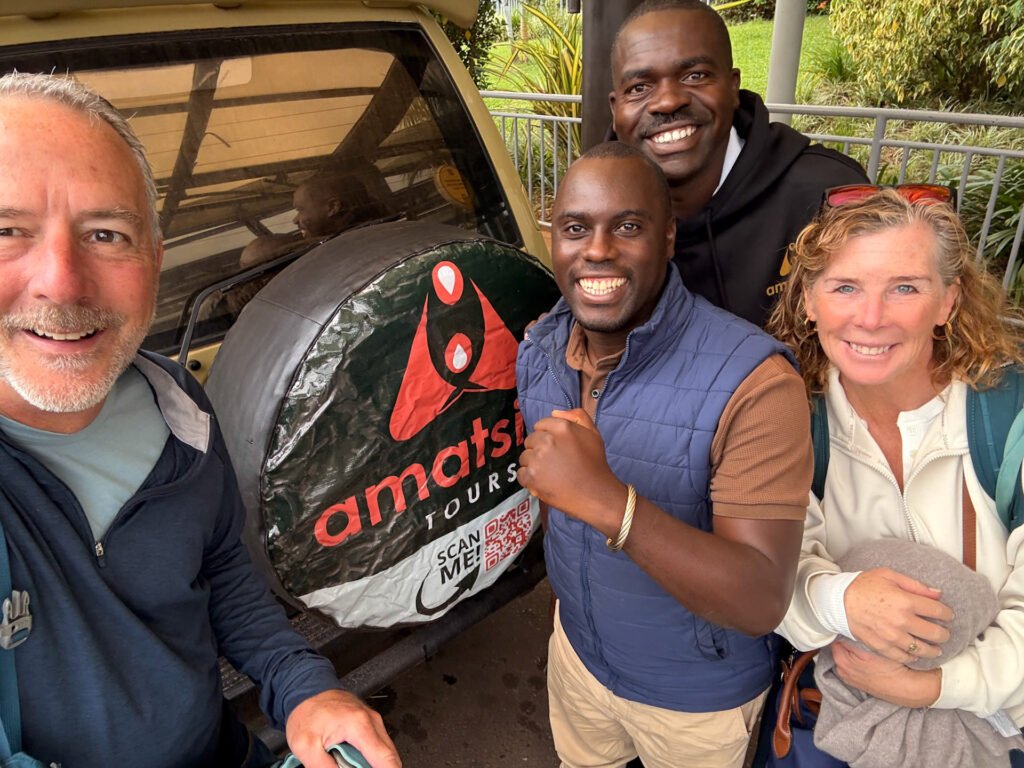
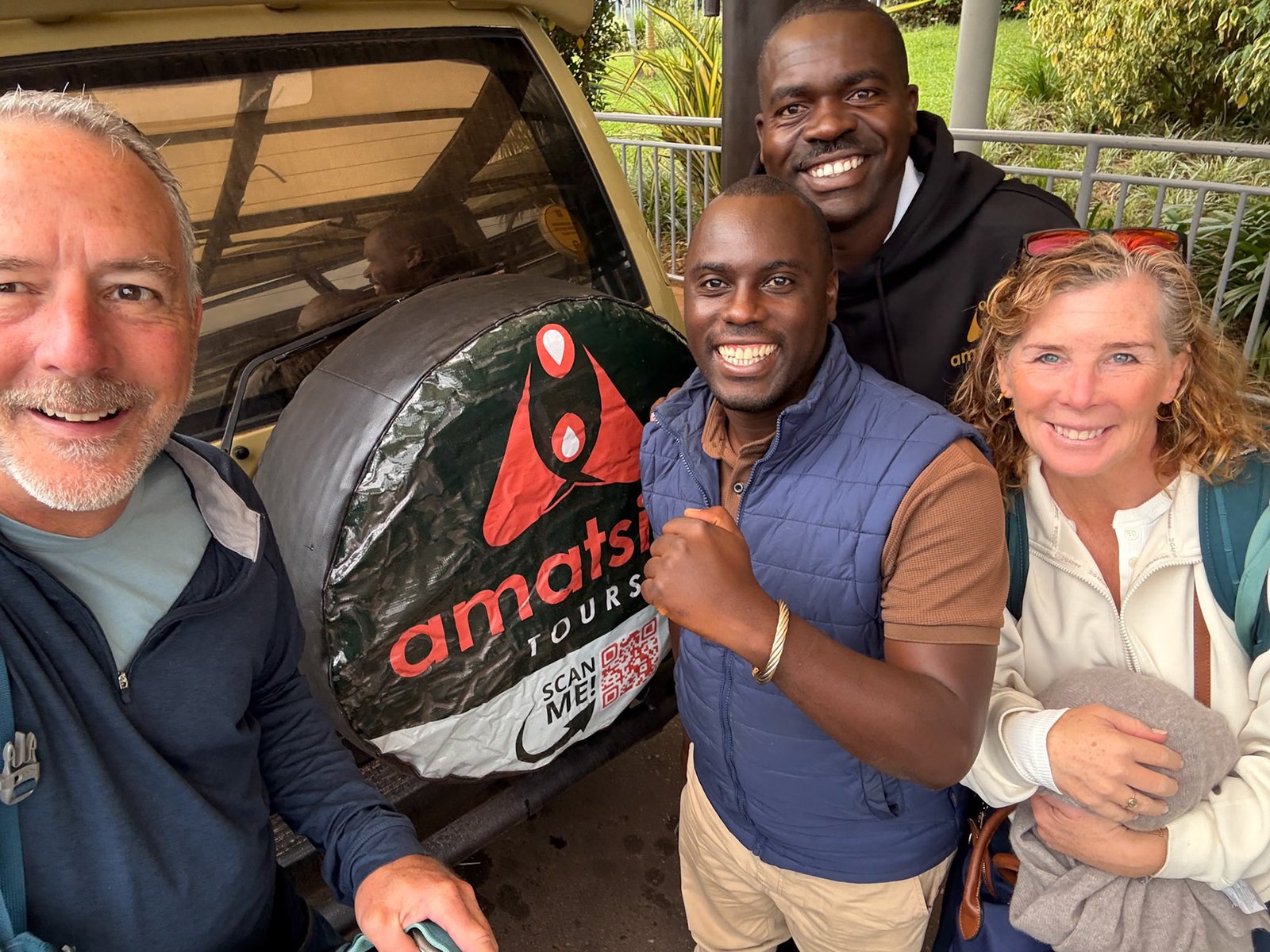
At Amatsiko Tours, we help travelers choose the right season based on their interests, whether that is gorilla trekking, wildlife viewing, bird watching, or cultural experiences. Our local team monitors weather patterns and designs itineraries that balance comfort, adventure, and meaningful connections with Uganda’s communities.
Sector-based planning in Bwindi Impenetrable National Park
Treat “Bwindi” like four different starting lines.
Buhoma sector and Ruhija sector often align well with approaches via Kabale
Rushaga sector and Nkuringo sector often align well with approaches via Kisoro
The wrong overnight base adds significant drive time before the early-morning briefing
Treks vary in difficulty depending on where the gorillas are that day
One detail most people miss: once your permit is set, you build the whole route around it. Lodges come second.
For deeper gorilla timing, packing, and on-the-ground prep, use 7 Essential Tips for a Gorilla Trek Uganda Adventure.
“If you’re considering a trip to Uganda, stop searching. Amatsiko Tours is in a class entirely of its own. From the moment we arrived, everything was handled with a level of care and professionalism that made the entire experience effortless. Airport pickup, beautiful accommodations, seamless transportation, and delicious meals. Every detail was thoughtfully arranged.”
— 565carolyno, TripAdvisor, 5.00
“We spent 2 weeks touring Uganda with Amatsiko Tours (Alex). It was exceptional. Alex took great care of us and had developed an incredible itinerary which covered all aspects of Uganda… gorillas, chimps, wildlife, fabulous accommodation and visits with Communities to learn about the cultural history.”
— marilynj479, TripAdvisor, 5.00
“Wow where to begin with this experience! First, let’s say we were easily the most difficult clients they must have had, throwing them curve balls left and right. From missed flights, to missing baggage, to itinerary changes, plus the added challenge of us working on a film project while with them, Alex and Alfonse made us feel calm and easy in what otherwise would have been a very stressful situation.”
— sophiesM9384VN, TripAdvisor, 5.00
Uganda safari weather stays strong in dry seasons, with clear trade-offs
Uganda safari weather in the dry seasons usually means clearer sightlines, firmer tracks, and a simpler rhythm for game drives. You’ll spend less time rerouting around washed-out sections and more time scanning. Dust is the trade-off. After a couple of days, you’ll taste it on your lips and find it in your camera bag, so bring a soft cloth and keep gear zipped.
If you’re pairing gorillas with savannah parks, dry season reduces the risk of long, slow drives on muddy roads between regions.
Safari planning that matches Uganda climate factors
Uganda climate factors change fast across regions, so you plan for variability, not one “national forecast.”
Build buffer time on drive days, especially if you’re connecting forest to savannah
Keep a reusable water bottle in reach, the vehicle air gets dry and dusty
Prioritize early mornings for game drives, the air is cooler and animals move more
Choose a route that avoids backtracking between the southwest and other park circuits
Park options and routing matter. Use this overview of national parks in Uganda to map a realistic loop.
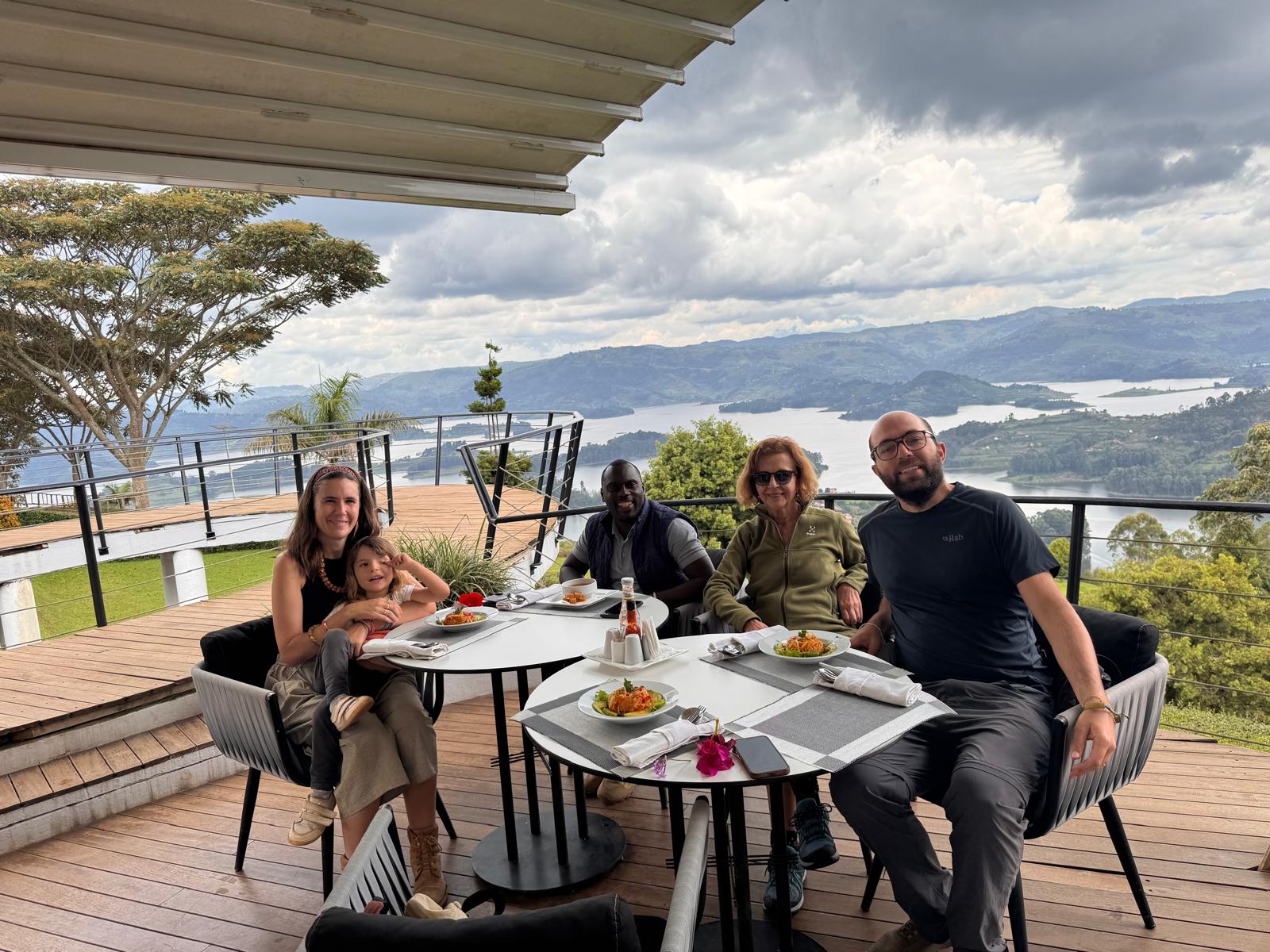
Dust is the annoyance you accept for easier movement. Honestly, I’ll take dust over a two-hour mud recovery any day.
Uganda wet season overview brings greener landscapes and smart advantages
A Uganda wet season overview looks like this: travel stays possible, but road conditions and timing become the main variables. Wet months bring greener scenery, fresher air, and fewer travelers in some areas, so you can get a quieter feel at lodges and on community visits. You’ll also hear more, rain on tin roofs at night, frogs and insects after dusk, and the steady drip from forest canopy in the morning.
The limitation is simple. Mud changes everything, especially on steep approaches into Bwindi trekking sectors.
Rainy-season advantages that are real, not marketing talk
Rainy seasons reward travelers who plan for them instead of wishing them away.
Greener scenery for photos and a softer, cooler feel on walks
Potentially quieter travel days on popular routes
Strong conditions for activities that benefit from moisture, including forest-based experiences
A more relaxed pace if you’re not stacking long transfers back-to-back
One insider move: schedule your longest drives earlier in the day. Afternoon rain can turn a “fine” road into a slow one.
Temperature variations Uganda feels most in the highlands and mornings
Temperature variations Uganda-wide don’t hit you like a single number on a forecast. You feel them as contrast: warmer mid-days in open areas, cooler mornings around higher elevations, and damp chill in forest shade. Pack like you’re dressing for a long day that starts cold, warms up fast, then cools again after sunset.
And yes, a light fleece earns its space. So does a rain shell, even in the dry season. Check Best Time To Visit Uganda
How does altitude affect Uganda’s weather patterns in practice
How does altitude affect Uganda’s weather patterns becomes obvious the moment you step out before dawn in the southwest. Higher areas feel cooler, and moisture hangs in the air longer. That changes comfort, trail conditions, and what you want within arm’s reach.
Use this simple kit logic:
Wear breathable layers you can strip quickly
Keep a dry bag for electronics, because humidity is constant in forests
Bring gloves if you run cold on early starts, you’ll be thankful at briefing
Choose quick-dry socks, because wet feet ruin your mood fast
If I’m being picky, cotton is the mistake people keep making. It stays wet.
Regional climate variations in Uganda shape which route you should choose
Regional climate variations in Uganda show up as practical routing decisions, not trivia. The southwest gorilla corridor has steep roads and sector-specific access points, so you match your border crossing and overnight base to your trekking sector. That’s the difference between arriving for dinner and arriving in the dark, tired and annoyed.
If you’re traveling cross-border for gorillas, most travelers use the Rwanda–Uganda border posts at Cyanika or Katuna, then overnight in Kabale, Kisoro, or near a Bwindi trekking sector.
Kigali to Bwindi transfers stay predictable with the right corridor
The Kigali to Bwindi safari approach is route-and-sector math.
Cyanika border (Rwanda) ↔ Kisoro (Uganda) aligns well for Rushaga and Nkuringo, and for Mgahinga Gorilla National Park
Katuna border (Rwanda) ↔ Kabale (Uganda) aligns well for Kabale staging, Lake Bunyonyi, and routes toward Ruhija and some onward connections toward Buhoma
Typical travel time is 4–8+ hours driving (plus border time) depending on border post and sector
Kisoro → southern Bwindi sectors commonly runs 1–2+ hours, road conditions depending
For a route-first planning view, use Uganda tours and safaris as a starting point, then tighten it around your permit date.
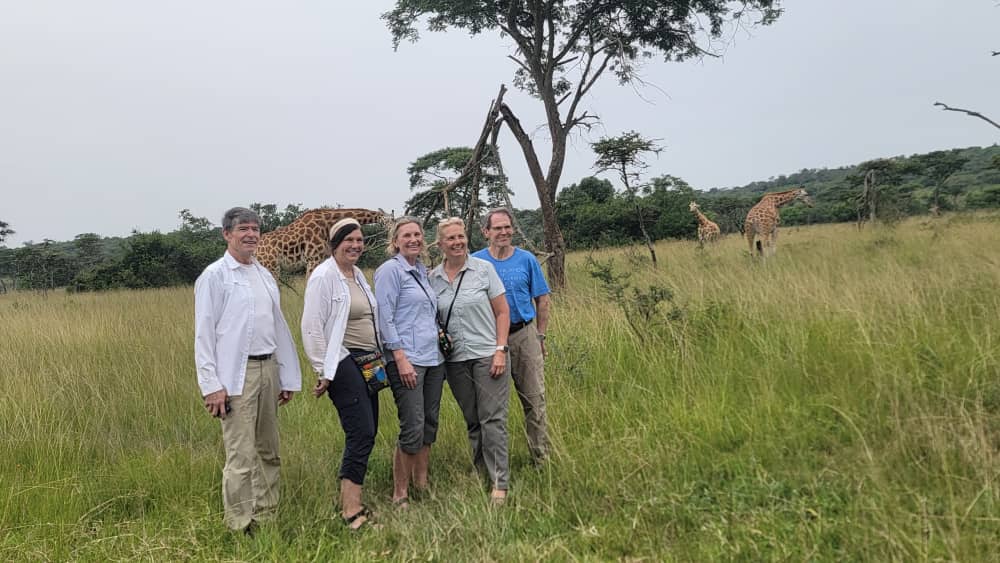
Border time is the wild card. Build a buffer and aim to arrive while there’s still daylight.
Best months by activity keep your itinerary realistic
The best time to visit Uganda depends on what you’re building the trip around. Dry seasons, June to September and December to February, stay the cleanest answer for gorilla trekking, classic safari days, and hiking with fewer weather interruptions. Rainy seasons still work well for travelers who want greener landscapes and don’t mind slower road days.
Here’s the planning shortcut we use: choose the activity anchor first, then choose the month.
Activity-by-month planning table
Activity focus | Best timing | Weather advantage | Main trade-off |
|---|---|---|---|
Gorilla trekking in Bwindi Impenetrable National Park | June–September, December–February | Firmer trails and easier road access to trekking sectors | Dust on transfers, cooler early mornings in the highlands |
Chimpanzee tracking (forest-based primate time) | June–September, December–February | Easier walking conditions and more predictable start times | Dry air and dust on long drives |
Safari adventures (savannah game drives) | June–September, December–February | Clearer sightlines and firmer tracks for vehicles | Dusty conditions, especially midday |
Bird watching | Year-round, with strong wet-season appeal | Greener habitats and more active soundscapes after rain | Slower drives on muddy roads, wetter gear |
If you want help matching month, route, and park mix, send a travel request for Africa safari trips and anchor it around your permit window.

The forest smells sharper after rain. Boots get heavier, too.
Uganda dry season travel tips that keep plans flexible
Uganda dry season travel tips sound basic until you’re the one trying to make a briefing time after a long transfer. Dry months reduce risk, but they don’t remove it. Roads into Bwindi sectors can still be steep and narrow, and border processing time is never fixed. You plan with buffers, you keep your essentials close, and you don’t schedule a late arrival the night before a trek.
But don’t over-engineer it. A simple, sector-matched plan beats a packed itinerary that looks good on paper.
What to expect during Uganda’s dry season on the ground
What to expect during Uganda’s dry season is a mix of comfort and grit.
Warm days, cooler early starts, and dust on longer drives
More reliable travel times between towns, especially in the southwest corridor
Easier hiking footing, though forest sections still stay damp under canopy
Higher confidence in same-day transfers, as long as you leave early
For practical prep on documents and logistics, use travel advice for visitors to Uganda before you lock dates.
Key takeaways for choosing the best time to visit Uganda
Uganda dry season weather patterns point you to the simplest travel windows, June to September and December to February, especially for gorilla trekking, chimpanzee tracking, hiking, and classic safari days. Uganda wet season overview planning stays viable year-round, with greener landscapes and quieter travel days as real advantages, balanced by muddy roads and slower transfers. Temperature variations Uganda-wide feel strongest in early mornings and higher elevations, so you pack layers and protect gear from humidity. The best time to visit Uganda is the month that matches your anchor activity and your tolerance for rain-day logistics.
Travelers planning Gorilla Trekking Uganda should consider both seasonal conditions and trekking sector logistics, as Bwindi’s terrain changes significantly throughout the year.
Frequently Asked Questions -Uganda Dry Season Weather Patterns
1. When is the best time to visit Uganda for safaris and trekking?
The best time to visit Uganda for safaris and gorilla trekking is during the dry seasons, which are from June to August and December to February. These months provide the most predictable travel days, with clearer hiking conditions and reliable wildlife viewing.
2. What should I consider when planning a gorilla trekking trip in Uganda?
When planning a gorilla trekking trip, secure your trekking permits first and choose accommodations close to your trekking sector in Bwindi Impenetrable National Park. This helps reduce travel time to your early morning briefing point.
3. How do Uganda’s dry seasons affect safari experiences?
During Uganda’s dry seasons, you can expect clearer sightlines and firmer tracks for safari game drives, making wildlife viewing easier. However, be prepared for dusty conditions, especially after a few days on the road.
4. What are the advantages of visiting Uganda during the wet season?
The wet season in Uganda brings greener landscapes and fewer travelers, offering a quieter experience at lodges and community visits. However, road conditions can be challenging due to mud, especially in steep areas.
5. How does altitude impact weather conditions in Uganda?
Altitude in Uganda affects weather by creating cooler mornings and evenings, especially in the highlands. It’s advisable to dress in layers and pack a light fleece and rain shell, as temperatures can vary throughout the day.
6. What should I pack for a trip to Uganda during the dry season?
For a dry season trip to Uganda, pack breathable layers, a light rain jacket, and quick-dry socks. Keep walking shoes in your carry-on if flying in, and consider bringing a soft cloth to manage dust on safaris.
7. How do regional climate variations affect travel routes in Uganda?
Regional climate variations in Uganda necessitate strategic routing decisions. For example, the southwest gorilla corridor requires matching your border crossing and overnight base to your trekking sector to avoid long and tiring drives.
8. What can I expect from Uganda’s dry season weather patterns?
Expect warm days, cooler early starts, and more reliable travel times during Uganda’s dry season. Forest areas may remain damp under the canopy, but overall, travel conditions are more predictable than in the wet season.