
3-Day Rwanda Gorilla and Bunyonyi Tour: Powerful Wildlife & Peace Journey
3-day Rwanda gorilla and Bunyonyi tour is the kind of trip that stays with you long after you return home. Let me take you through misty forest trails where silverback gorillas rumble quietly through bamboo groves, then onward to calm waters of Lake Bunyonyi where paddling in a dugout canoe feels like entering a different world. Along the way, you’ll pause in Kigali to remember, reflect, and learn at the Genocide Memorial — tying together wildlife, history, and healing.
Table of Contents
Traveling in this way, with respect for local communities and nature, isn’t just about seeing — it’s about connecting. This tour supports conservation, local economies, and peaceful remembrance.
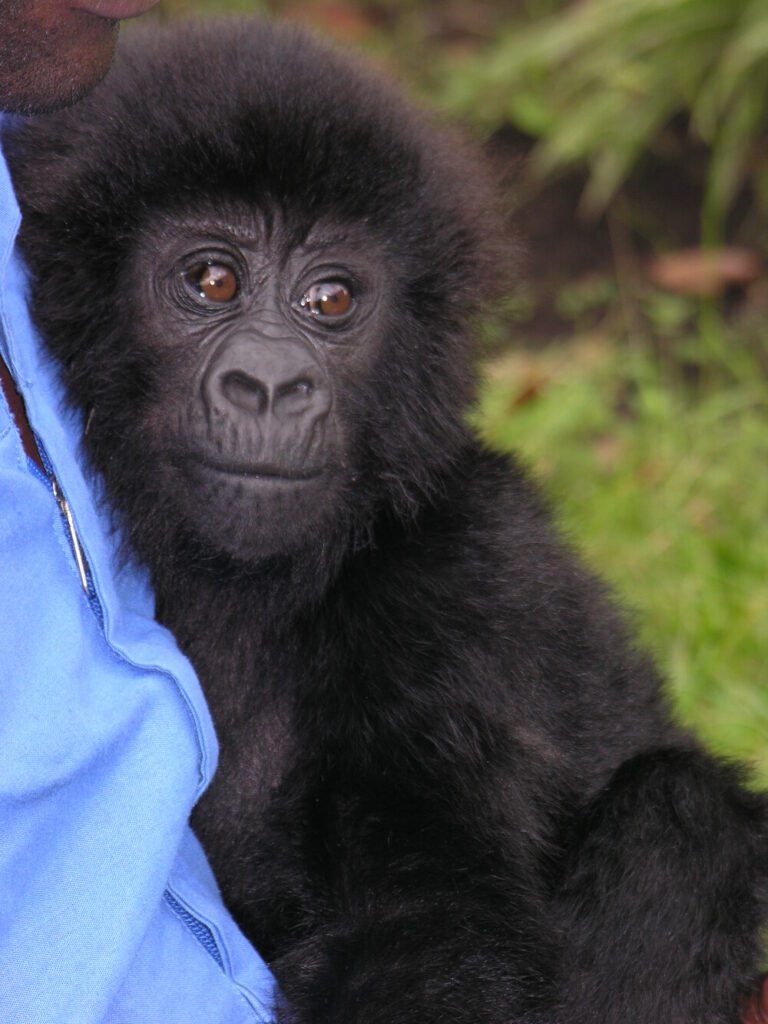
Quick 3-day Rwanda Gorilla and Bunyonyi Tour Itinerary Overview
- Day 1: Kigali → Genocide Memorial → Drive to Volcanoes National Park
- Day 2: Gorilla Trekking in Volcanoes National Park
- Day 3: Cross into Uganda → Lake Bunyonyi canoeing + community visit → Return to Kigali
Day 1: From Kigali’s Heart to the Volcanoes
You’ll begin in Kigali, Rwanda’s vibrant capital, with a morning visit to the Kigali Genocide Memorial. This powerful place is the final resting spot for about 250,000 victims of the 1994 genocide. Kigali Genocide Memorial+1 As you walk through the exhibitions — from history before the genocide to stories of reconciliation — you feel the weight of the past, and the strength in Rwanda’s commitment to healing. Guides, often survivors, bring the stories to life. Kigali Genocide Memorial+1
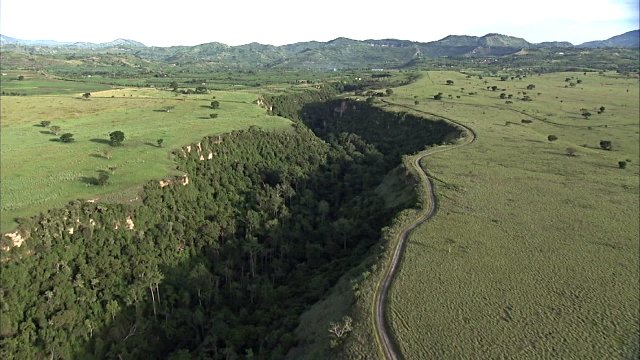
After a reflective lunch in the memorial’s café — where the proceeds directly support peace education Kigali Genocide Memorial — you’ll head north toward Volcanoes National Park. The drive from Kigali takes around 2 hours. Volcanoes National Park As you climb into the volcanic highlands, the air changes: cooler, damp, green. Along the way, you might glimpse traditional Rwandan hillsides dotted with banana trees and terraced farms.
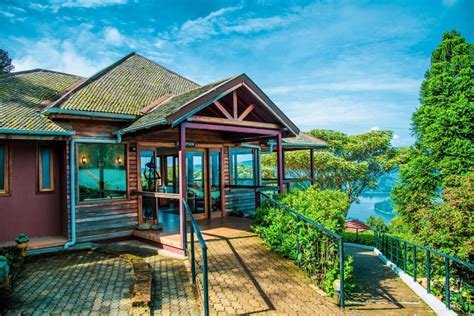
That evening, you’ll check in to a lodge near the park — perhaps a mid-range stay like Le Bambou Gorilla Lodge (or similar) that’s more sustainable and integrated into the community. Your lodge could use local materials, hire local guides, and contribute to community projects. (Many operators work with locally owned lodges or community-driven initiatives.)
By the firelight, your guide may share about gorilla conservation, how permits work, and the way tourism supports anti-poaching and local welfare.
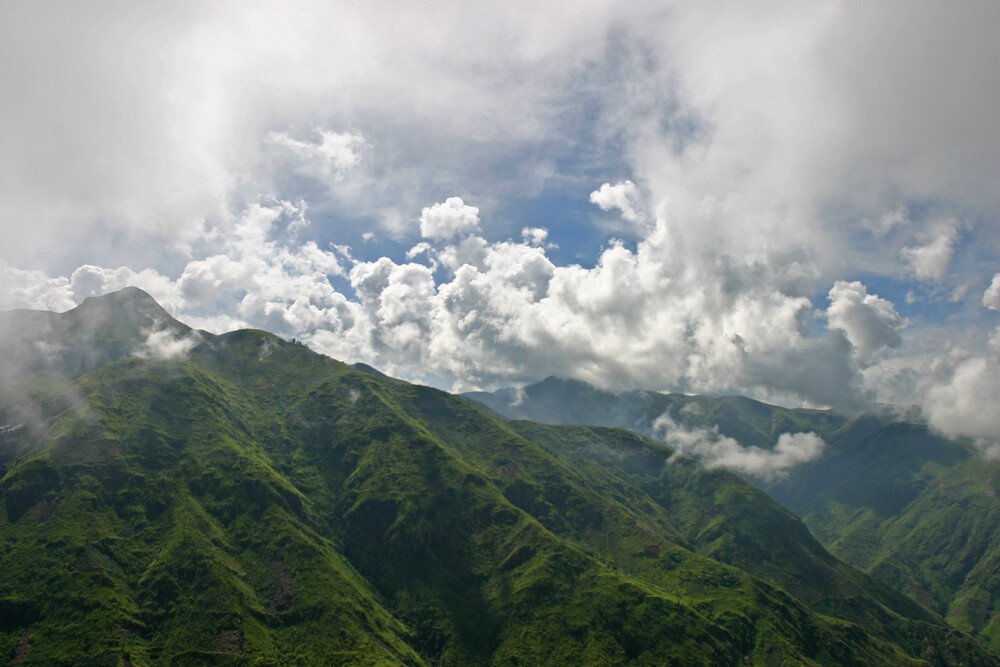
Day 2: Gorilla Trekking in Volcanoes National Park
This is the day for which you came: gorilla trekking. Early in the morning, your small group meets at the park headquarters for a briefing. Rules are strict — no loud voices, maintain distance, avoid eye contact with gorillas, and follow your guide. Rwanda Gorilla Trekking Guide
Permits in Rwanda are limited and expensive (around US$1,500 for many international visitors) — but they directly support gorilla protection and community conservation. Volcanoes National Park+1
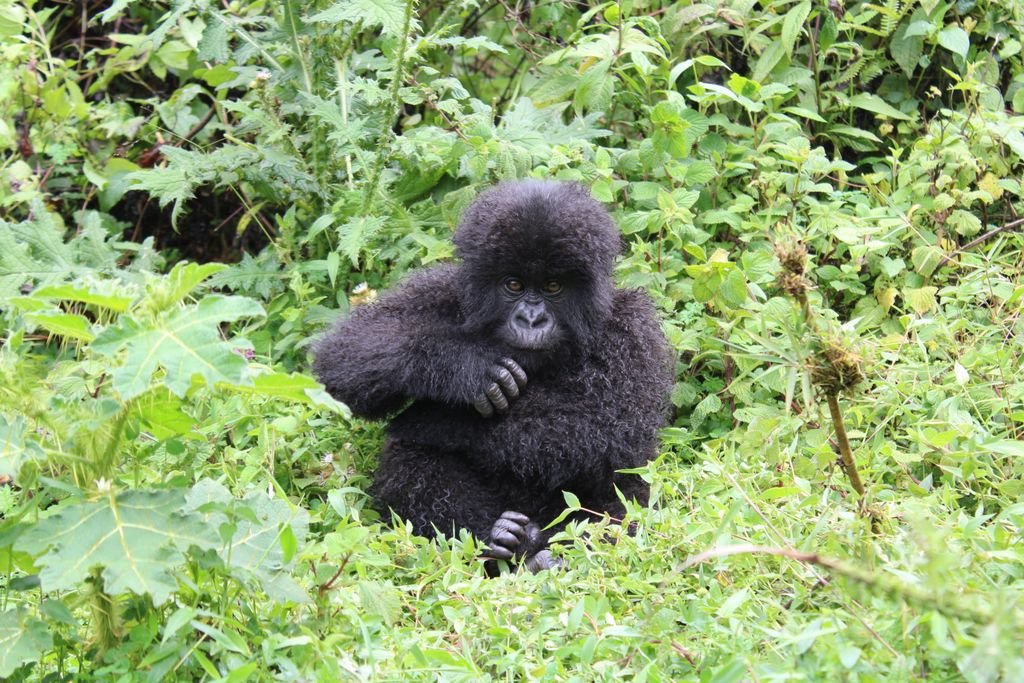
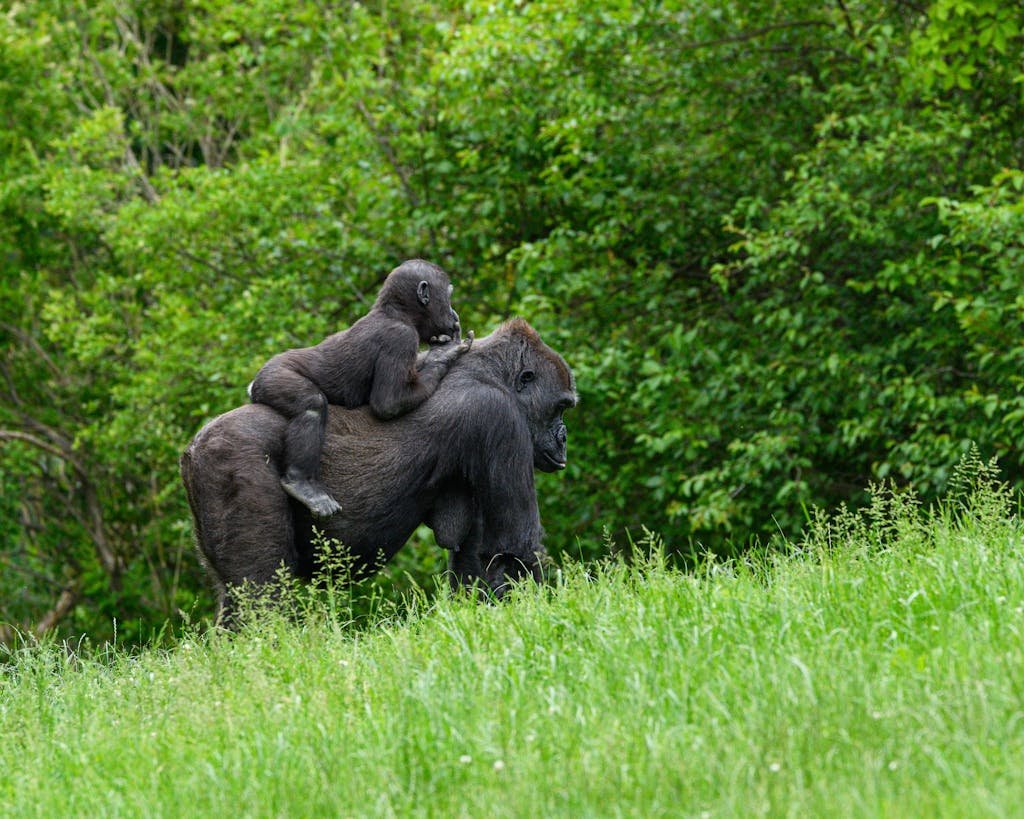
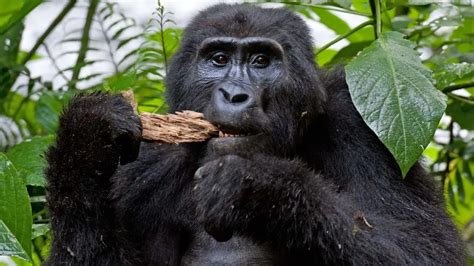
Then, you enter the forest. The trek could take from one to several hours, depending on where the gorilla family is. When you finally see them — a silverback, perhaps, with a shimmering back, lying on a slope, or a juvenile play-fighing — your breath catches. Your guide quietly points out behaviors, showing how they rest, groom, or chill around each other. The forest around you is alive: ferns rustling, birds calling, the scent of damp earth.
You’ll spend up to one hour observing them — an hour that feels sacred. Then, you walk back through the forest, energized and humbled. For lunch or dinner, return to the lodge, rest your legs, and reflect on the profound privilege of that interaction.
In the evening, you might join a community talk — many lodges support or partner with local Rwandan communities, from women’s cooperatives to youth conservation projects. Through this, your trip is not just wildlife tourism — it contributes to real, long-term positive impact.
Day 3: Crossing Borders & Canoeing on Lake Bunyonyi
On day three, you’ll depart early from Volcanoes National Park and head to the Rwanda–Uganda border by road, via the Katuna / Gatuna border post, which is commonly used for travelers going from Kigali to Lake Bunyonyi. The trip takes around 3–4 hours.
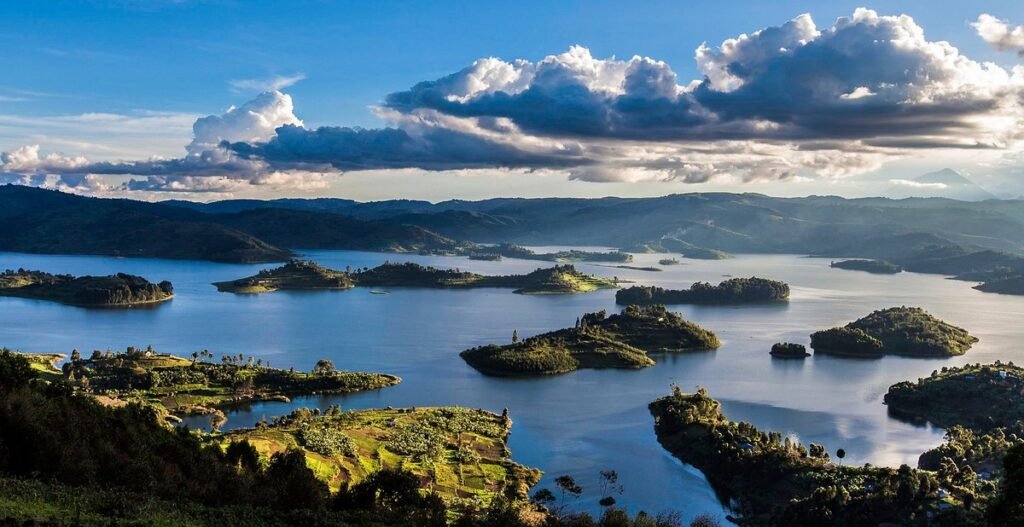
Once in Uganda, you’ll continue to Lake Bunyonyi, often called “the place of many little birds” for its numerous islands and rich birdlife. Queen Elizabeth National Park
Here, the pace slows completely. You’ll board a dugout canoe with a local guide and paddle peacefully around the lake’s 29 islands. The water is cool and still; morning mist may hover over the islands, and you might hear birds calling or fishermen’s nets slicing the surface.
After your canoe ride, you can visit Itambira Island, where Seeds of Hope runs a not-for-profit eco-tourism project. Bunyonyi Lake Resort The lodge there is community-centered: solar-powered water heating, locally-sourced food, and profits supporting local education and training efforts.
For lunch, you’ll enjoy local dishes made from home-grown fruit and vegetables, connecting directly to the community that hosts you.
In the afternoon, there’s time for a cultural walk through the hills or to meet local Batwa or Bakiga people, learning about their traditions and daily life. Later, you may return to your lodge or eco-camp for quiet reflection.
In the evening, you’ll travel back to Kigali (or a nearby border town) depending on your transport arrangement, arriving in Kigali in the late evening, closing your full 3-day Rwanda gorilla and Bunyonyi tour.
Travel Kindly: How to Leave a Positive Footprint
- Book through local and ethical operators — Use agencies that support community lodges (like Itambira Island) and make sure a portion of your spending helps local people.
- Respect gorilla rules — Follow park guidelines closely. Your permit fees help fund conservation and community protection. Rwanda Gorilla Trekking Guide
- Support community projects — When in Lake Bunyonyi, choose canoe providers or lodges that are community-led. The Seeds of Hope project, for example, reinvests in education and livelihoods. Bunyonyi Lake Resort
- Pack light and thoughtfully — Bring reusable water bottles, avoid single-use plastics, and carry eco-friendly toiletries.
- Be mindful at the memorial — At Kigali Genocide Memorial, move quietly, dress respectfully, and reflect; your visit helps fund peace education. Kigali Genocide Memorial+1
Practical Information & Tips
| Item | Details |
|---|---|
| Best Time to Visit | Dry seasons (June–September, December–February) make trekking and canoeing easier. |
| Gorilla Permit Cost | ~US$1,500 per person. Volcanoes National Park |
| Getting to Lake Bunyonyi | From Kigali → cross at Katuna / Gatuna border → drive to Lake Bunyonyi (~3-4 hours) Hillary Uganda Trips |
| Suggested Lodges | – Itambira Island (Seeds of Hope): community-run, solar-powered, sustainable Bunyonyi Lake Resort – Nyamunyonyi Lake Resort: eco-friendly cottages, canoeing, cultural visits. Nyamunyonyi Resort – Bushara Island Camp / Amasiko Homestay / Edirisa Lodge: simple, solar, community-oriented. elephant whispers safaris |
| Community Initiative | Bunyonyi Food Forest: a permaculture project supporting local food sovereignty and environmental restoration. Bunyonyi Food Forest Foundation |
Final Reflection
This 3-day Rwanda gorilla and Bunyonyi tour is more than just a trip. It’s an emotional journey where you stand in the presence of mountain gorillas — ancient, powerful, gentle — and then paddle in serene waters that reflect the sky and islands of community life. It’s a path that winds from remembrance and reconciliation in Kigali to nature and cultural connection in Uganda.
When you travel like this — consciously, respectfully, and generously — you’re not just a visitor. You become part of a story: of conservation, healing, and community resilience. If you choose this journey, you’ll return changed. And the places you visit will be better for having welcomed you.
Book your tour today with Amatsiko Tours

One Comment