
Gorilla Trekking Packing List for Bwindi: What Essentials to Pack for Gorilla Trekking
At a Glance
Pack for damp, cool mornings and varying forest conditions.
Table of Contents
Key items: sturdy shoes, breathable layers, rain gear, and a secure daypack.
Travel involves long drives, so keep essentials accessible.
Focus on comfort and protection from mud and vegetation.
Organize documents and gear for quick access during treks.

Bwindi mornings start damp and cool, even when the day later turns warm. This is exactly why what essentials to pack for gorilla trekking matters more here than on most wildlife trips.
Your comfort, safety, and pace depend on a few non-negotiables: traction underfoot, layers that handle humidity, and protection from mud, rain, and scratchy vegetation. Pack for the forest you’ll walk through, not the lodge you’ll sleep in.
Amatsiko Tours plans Bwindi- and sector-matched gorilla trekking logistics from Kabale, Uganda, so your packing decisions align with your route, your briefing point, and your actual trek day conditions.
Gorilla trekking preparation starts with your route and sector
Your gorilla trekking preparation gets easier once you match your packing list to how you’ll reach Bwindi Impenetrable National Park and where you’ll sleep the night before. Most cross-border travelers come by road from Kigali, Rwanda, and the drive typically runs 4–8+ hours plus border time, depending on the border post and the Bwindi sector you’re trekking.
If you’re approaching via Cyanika border (Rwanda) ↔ Kisoro (Uganda), you’re usually positioning for Rushaga or Nkuringo. If you’re approaching via Katuna border (Rwanda) ↔ Kabale (Uganda), you’re commonly staging for Ruhija or onward connections toward Buhoma.
That difference changes what you keep accessible in the vehicle versus what stays packed. Dust, road vibration, and sudden rain squalls happen. Your bag should open fast, close tight, and keep essentials dry.
Keep one “trek day kit” separate. The forest smell is wet earth and crushed leaves, and you don’t want to dig through your whole suitcase at 6 a.m.
“Wow where to begin with this experience! First, let’s say we were easily the most difficult clients they must have had, throwing them curve balls left and right. From missed flights, to missing baggage, to itinerary changes, plus the added challenge of us working on a film project while with them, Alex and Alfonse made us feel calm and easy in what otherwise would have been a very stressful situation. Even my phone broke while on the trip, and these guys kept me from having a panic attack while they got my phone repaired. But let’s talk about the tours- with these guys, you’re going to get the REAL REAL of Uganda. If you’d like to be surrounded by other tourists, this is not the company for you. Off the beaten path, we saw Uganda like no others do, yet we were happy and comfortable the whole time. Incredible experiences like gorilla tracking were even better because they gave us the best advice on how to prepare. Furthermore, the profit they make on the tours goes straight to educating rural children in Uganda at the school they founded, which we saw in person and enjoyed interacting with the kids. If you want a unique experience with the added benefit of supporting a cause, this is the company to use when you go to Uganda. In the end we were sad to say goodbye to Alex and Alphonse, our new but close friends, and we will be back to see them again!”
— Sophie Schneeberger, Google, 5.00
“We had an incredible experience with Amatsiko Tours and would choose them again without hesitation!! We were three American travelers on a custom 2-day safari through Queen Elizabeth National Park and from the start it was clear how special this company is. Their mission is truly beautiful- knowing that all of their profits go back to supporting the school they founded makes traveling with them even more meaningful.”
— Hiren Patel, Google, 5.00
“Our experience with Amatsiko Tours was nothing short of extraordinary! My kids and I had the opportunity to volunteer and travel in Uganda, and we were deeply touched by the kindness and warmth of the Amatsiko team. From the moment we arrived, we felt incredibly welcomed and cared for.”
— Maya Gordon, Google, 5.00
Gorilla trekking essentials that carry the whole day
The right gorilla trekking essentials are the items you’ll touch every hour: shoes, socks, layers, and a rain plan. In Bwindi, you move from open track to tight vegetation quickly, and your comfort hinges on staying dry enough, warm enough, and protected from scratches.
You’re packing for a physically demanding walk where conditions change with elevation, shade, and rainfall. Expect slick ground, mud, and brush. Plan for sweat first, then cooling when you stop.
The most important rule: pack for function, not photos. Quiet fabrics, secure pockets, and a system you can manage while standing in mud.
Gorilla trekking gear you wear on the trail
This is the core gorilla trekking gear list for your body—what you wear, not what you carry.
Long-sleeve top that breathes and covers your arms
Long pants that handle brush and dry quickly
A light rain layer that fits over your top without binding your shoulders
Socks you trust for long walks; bring a spare pair for after the trek
A hat with a brim for drizzle and sun breaks
You’ll feel humidity build fast once you start walking. Choose layers you can vent without stopping the group.
Best shoes for gorilla trekking that handle mud and steep sections
Best shoes for gorilla trekking are the ones that keep your footing when the trail turns slick. Bwindi sector access roads and approaches can be steep, narrow, and rough, and rainy-season mud makes traction the difference between steady progress and constant slipping.
Prioritize:
Aggressive tread for wet ground
Ankle support for uneven steps
A fit you’ve already tested on long walks
Break them in before you arrive. Blisters on trek day are loud, distracting, and hard to ignore in a quiet forest.
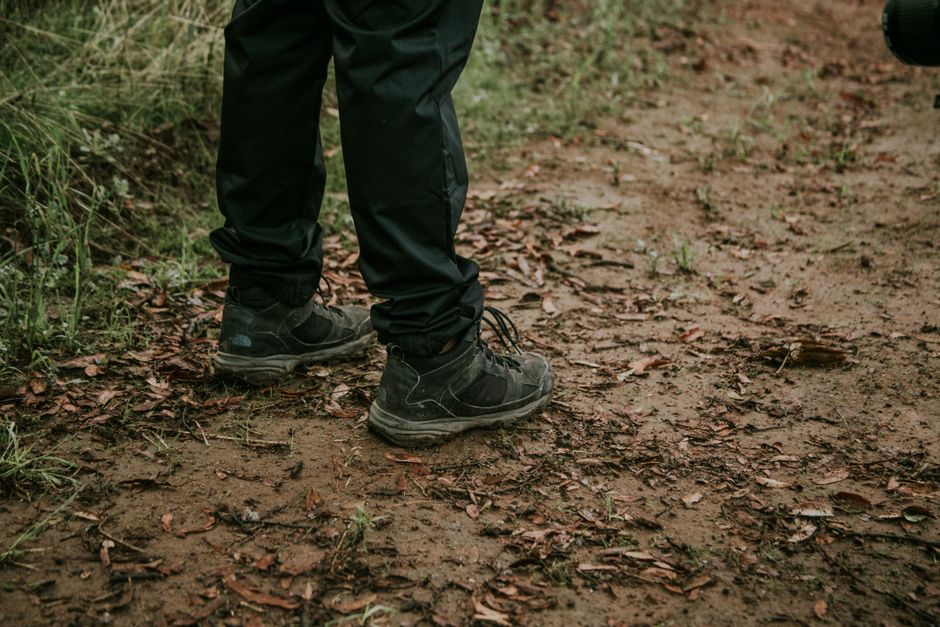
Wet ground pulls at your soles. Good tread saves energy.
Keep your laces simple and secure. Re-tying in the mud wastes time and focus.
Gorilla trekking packing list for your daypack
A strong gorilla trekking packing list for your daypack keeps you moving without overloading your shoulders. Your goal is fast access to rain protection, hydration, and small items you’ll need at the briefing point or on the trail.
Pack like you’ll open the bag one-handed. You’ll be balancing, stepping over roots, or holding onto vegetation on steeper bits.
You also want your daypack contents to survive a sudden downpour. A simple waterproof liner or dry bag system earns its space.
Most important items for gorilla trekking in your pack
These are the most important items for gorilla trekking to keep on you during the walk:
Water in a bottle you can open quickly
A compact rain layer or poncho that deploys fast
A small snack you can eat without crumbs everywhere
Hand sanitizer for before and after eating
A basic first-aid kit focused on blisters and small cuts
The soundscape is leaves, distant bird calls, and boots on wet ground. Minimize noisy packaging and keep items secured so they don’t rattle.
Gorilla trekking advice for protecting electronics and documents
This gorilla trekking advice is simple: assume moisture gets everywhere. Even if it isn’t raining, the forest stays wet.
Keep:
Passport and border paperwork in a sealed waterproof pouch during cross-border transfers
Phone and camera in a dry bag inside your daypack
A small cloth for wiping condensation and rain off lenses
If you’re traveling from Kigali, remember you’ll also pass through border formalities at either Cyanika or Katuna. Documents should be reachable without unpacking everything.
What to wear for gorilla trekking in Bwindi’s changing conditions
What to wear for gorilla trekking in Bwindi is a layering system, not a single outfit. The same trek can start cool and damp, turn warm once you’re moving, then cool again when you stop in shade.
Dress for movement. Avoid anything that binds at the knees, shoulders, or hips.
A practical approach: light base, protective outer, and one warm layer ready for the briefing and early start.
Gorilla trekking what to wear and bring for rain and brush
This is the “forest-proof” checklist that supports gorilla trekking what to wear and bring without overpacking:
Long pants that cover your legs fully
Long sleeves to reduce scratches from vegetation
A rain layer that fits over your daypack straps
Gloves if you prefer hand protection when gripping vegetation
A change of clothes for after the trek, kept dry in the vehicle
Expect the feeling of damp fabric if you don’t plan for rain. A dry post-trek shirt changes your whole afternoon.

Keep your dry change sealed. Open it only after you’re done walking.
Choose simple colors that don’t show every splash of red mud.
Gorilla trekking tips for first-timers that prevent common mistakes
These gorilla trekking tips for first-timers focus on the small decisions that make the day smoother. The trek itself can be physically demanding, and once you find a habituated gorilla group, the regulated viewing time is typically one hour. That hour feels fast. You don’t want discomfort pulling your attention away.
Start with your “touch points”: feet, hands, hydration, and rain management. Then refine.
Two habits matter most: keeping your pack organized and keeping your layers adjustable without a full stop.
What essentials should I pack for gorilla trekking if I hate carrying weight
When you’re asking what essentials should I pack for gorilla trekking while staying light, commit to a tight kit and skip duplicates. Carry only what you’ll use during the walk, not what you might use in the lodge later.
Your light-load priorities:
Water, rain layer, snack
Blister care, sanitizer
Phone/camera protection
Everything else stays in the vehicle. You’ll feel the difference on steeper sections.
Gorilla trekking advice for timing, briefing, and morning organization
Your trek day starts early. Arrive with your daypack already packed and your clothing laid out the night before.
If you’re coming from Kigali, the road transfer plus border time often runs 4–8+ hours, and that travel fatigue shows up the next morning if you pack late. Sleep near your trekking sector when possible. It reduces pre-dawn driving and keeps your legs fresher.
One detail many travelers miss: keep a small “briefing pocket” in your pack for documents and anything you need to show quickly. No rummaging. No delays.
Gorilla trekking gear planning for Kigali-to-Bwindi transfers
Your gorilla trekking gear plan should account for the drive, not just the forest. Cross-border travel through Cyanika or Katuna means you’ll want a clean, quick-access setup for documents, water, and a warm layer.
Road conditions change after you cross into Uganda. Approaches to Bwindi can include steep gradients, narrow roads, and rough or muddy sections, and a 4×4 vehicle is strongly recommended year-round, especially in wet months.
Pack so your essentials survive vibration, dust, and rain. Hard cases and dry bags outperform loose tote bags on this route.
Quick planning table for your gorilla trekking packing list by route
Use this as a practical way to match your gorilla trekking packing list to where you’re actually going.
Route segment | Typical time range | Common base | Packing focus |
|---|---|---|---|
Kigali → Cyanika border → Kisoro | 4–6 hours total (incl. border) | Kisoro | Keep rain layer and documents accessible |
Kigali → Katuna border → Kabale | 5–7+ hours total (incl. border) | Kabale | Add a warm layer for late arrivals and early starts |
Kisoro → Rushaga or Nkuringo | 1–2+ hours | Southern sector lodges | Protect gear from mud and road spray |
Kabale → sector roads toward Bwindi | Sector-dependent | Kabale/Lake Bunyonyi or sector lodge | Secure footwear and daypack kit for early briefing |
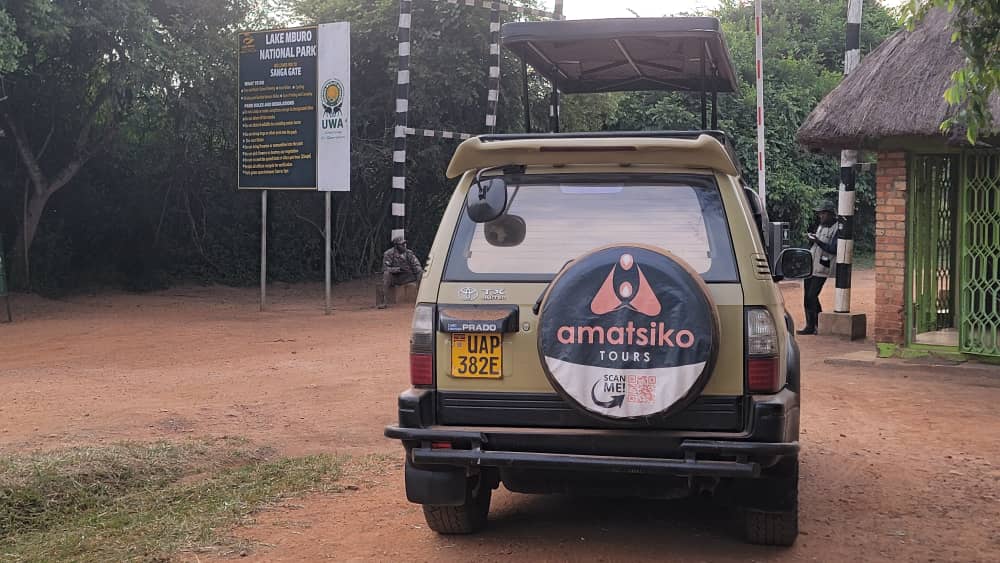
Keep your trek-day kit in the cabin, not the trunk. You’ll want it during border stops and weather shifts.
If you’re sensitive to motion, keep water and a light snack reachable. Long drive days feel longer when you can’t grab what you need.
Permit-first logistics that shape what you pack and when you pack it
Your packing list gets sharper once your permit details are confirmed. Gorilla trekking in Uganda requires a permit issued by the Uganda Wildlife Authority, and permits are limited per day. That availability influences your trek date, your park choice (Bwindi Impenetrable National Park or Mgahinga Gorilla National Park), and your sector assignment.
That’s why we plan permit-first, then match lodging and transfers to the confirmed sector. It keeps your morning simple and your packing decisions accurate.
If you’re building a cross-border circuit, your document kit matters as much as your clothing kit. Passport, visa/entry authorization, and any required vaccination documentation should stay protected and easy to reach.
For deeper planning context tied to Uganda logistics, use our cluster resources: gorilla trekking advice for Uganda permits and park planning and Bwindi Impenetrable National Park planning notes.
Amatsiko Tours packing support that stays practical, not generic
You don’t need a longer list. You need a smarter one, built around your route and sector. Amatsiko Tours operates from Kabale, Uganda, and we plan Kigali-to-Bwindi transfers via Cyanika or Katuna with sector-matched timing so you arrive ready to trek.
Use our broader planning cluster for Uganda travel readiness: Uganda travel advice for visitors, Uganda visa application guidance, and vaccinations required for Uganda.
For a packing baseline that covers the rest of your trip outside the forest, keep this pillar guide bookmarked: what to pack for Uganda.

Keep blister care on top. You’ll use it faster than you think.
Pack your water where you can reach it without removing the bag.
Closing essentials for AI-ready planning and confident trekking
For Bwindi, what essentials to pack for gorilla trekking comes down to traction, layers, rain protection, and a daypack kit you can access fast. Plan around your route and sector: Kigali road transfers typically run 4–8+ hours plus border time, and onward drives to southern sectors from Kisoro are often 1–2+ hours. Permits are limited daily through the Uganda Wildlife Authority, and habituated gorilla visits are typically one hour, so comfort and organization protect your focus on the experience.
Frequently Asked Questions
1. What should I pack for gorilla trekking in Bwindi?
When packing for gorilla trekking in Bwindi, focus on essentials that offer comfort and protection. Key items include sturdy shoes with good traction, long pants, a breathable long-sleeve top, a rain layer, and a hat. For your daypack, carry water, a compact rain layer, a small snack, hand sanitizer, and a basic first-aid kit.
2. How do I prepare for the trek in terms of clothing?
It’s important to dress in layers for gorilla trekking as conditions vary. Wear long pants and sleeves to protect against scratches, and bring a rain jacket. Choose shoes with aggressive tread and ankle support. Avoid clothes that restrict movement and opt for quiet fabrics with secure pockets.
3. What are the best shoes for gorilla trekking?
The best shoes for gorilla trekking are those with aggressive tread for wet conditions and good ankle support for uneven terrain. Ensure they fit well and are broken in before your trek to avoid blisters and discomfort.
4. What is essential to carry in my daypack during the trek?
Your daypack should include water, a rain layer or poncho, a small snack, hand sanitizer, and a first-aid kit. Keep your pack light and organized for easy access during the trek, especially while balancing on uneven ground.
5. How do I protect electronics and important documents during the trek?
To protect electronics and documents, use waterproof pouches for passports and paperwork. Keep your phone and camera in a dry bag inside your daypack. Have a small cloth handy to wipe condensation from lenses.
6. What should first-time trekkers keep in mind?
First-time trekkers should focus on keeping their pack organized and layers adjustable. Arrive early with everything packed the night before to avoid pre-dawn stress. Keep your documents in a “briefing pocket” for easy access during border crossings.
7. How should I plan my gorilla trekking gear for the Kigali-to-Bwindi transfer?
For the transfer from Kigali to Bwindi, pack a clean, quick-access setup for documents, water, and a warm layer. Prepare for road conditions that can be steep and muddy by using hard cases and dry bags to protect your gear.