Essential Packing List for Bwindi Trekking · Gear That Works on Gorilla Trails
Table of Contents
At a Glance
Bwindi trekking requires waterproof boots, long sleeves, gloves, gaiters, and a daypack.
Pack essentials like water, snacks, rain gear, sunscreen, a no-flash camera, and a face mask.
Trails are steep and muddy, even in the dry season.
Porters can assist with footing and reducing fatigue.
Dressing for comfort and protection is key in the rainforest environment.
Your essential packing list for Bwindi trekking needs to handle one reality: trails in Bwindi Impenetrable National Park stay steep, uneven, and slick in places, even during Uganda’s dry season window of June–September. Expect an early start, close forest air, and hours of steady footwork. Pack for grip, rain protection, and comfort during a trek that can run under 1 hour to over 4 hours depending on gorilla movement.
Essential packing list for Bwindi trekking built around trail reality
Your essential packing list for Bwindi trekking should be built around traction, coverage, and a daypack system you can manage for up to 4+ hours on forest terrain. Bwindi trails include mud patches, dense vegetation, and slippery sections, so your choices need to protect your skin and stabilize your footing. You’ll feel humidity on your arms and the soft suction of mud underfoot. Plan for that sensation, not a sunny-day hike.
A few Bwindi Impenetrable National Park tips we repeat before every trek: keep your hands protected for grabbing roots and branches, keep your lower legs sealed against mud and ants, and keep your essentials accessible without unpacking your bag on the trail.
The non-negotiables for Bwindi trekking essentials
Waterproof hiking boots with firm tread for mud and slick steps
Long-sleeved top and long pants for vegetation contact
Light gloves for grip and hand protection
Rain gear that fits in your daypack without a fight
Water and snacks packed where you can reach them while walking
Sunscreen for exposed stretches between forest cover
Camera set for no flash
Sturdy gaiters to block mud and ants
Face mask to reduce risk of human-borne respiratory illness to gorillas
If you want broader context beyond this gorilla-day focus, pair this with our general Uganda packing guidance: what to pack for Uganda.
Wow where to begin with this experience! First, let’s say we were easily the most difficult clients they must have had, throwing them curve balls left and right. From missed flights, to missing baggage, to itinerary changes, plus the added challenge of us working on a film project while with them, Alex and Alfonse made us feel calm and easy in what otherwise would have been a very stressful situation.
— Sophie Schneeberger, Google, 5.00
We had an incredible experience with Amatsiko Tours and would choose them again without hesitation!! We were three American travelers on a custom 2-day safari through Queen Elizabeth National Park and from the start it was clear how special this company is. Their mission is truly beautiful- knowing that all of their profits go back to supporting the school they founded makes traveling with them even more meaningful.
— Hiren Patel, Google, 5.00
Our experience with Amatsiko Tours was nothing short of extraordinary! My kids and I had the opportunity to volunteer and travel in Uganda, and we were deeply touched by the kindness and warmth of the Amatsiko team. From the moment we arrived, we felt incredibly welcomed and cared for.
— Maya Gordon, Google, 5.00
What to wear for gorilla trekking in Bwindi for comfort and coverage
What you wear decides how steady you feel over a trek that can last under an hour to over 4 hours. In Bwindi’s rainforest, clothing is less about style and more about friction, moisture, and protection from vegetation. You’ll notice damp air on your wrists and the scratch of leaves along your sleeves. Dress to stay covered, dry enough, and unbothered.
Best clothing for Bwindi trekking that keeps you moving
Choose clothing that stays comfortable when you sweat, then cool down during stops.
Long sleeves and long pants for brush contact on narrow trails
A lightweight layer you can add during early-morning chill
Rain protection you can put on fast without removing your pack
Socks you trust for long, wet hours inside boots
What to wear for gorilla trekking that prevents small problems
Small problems ruin big moments. Fix them before you arrive at the briefing point.
Avoid exposed ankles; gaiters help seal the gap
Skip anything that snags easily in dense vegetation
Keep one clean, dry layer ready for after the trek back at the lodge
For more Bwindi Impenetrable National Park tips tied to the trek-day flow and planning rhythm, use our field guide: 7 Essential Tips for a Gorilla Trek Uganda Adventure.
Gorilla trekking gear that belongs in your daypack
Your daypack for gorilla trekking in Uganda should carry only what you’ll use on trail, for a trek that may stretch past 4 hours. Pack so you can reach water, rain gear, and your face mask without stopping the whole group. You’ll hear forest insects and birds around you, and you’ll want your hands free for balance. That’s the standard we pack to.
Gorilla trekking packing list for the daypack
Keep it simple. Keep it reachable.
Water
Snacks
Sunscreen
Rain gear
Camera (no flash)
Face mask
Gorilla trekking gear that stays on your body, not in the bag
Gloves for grip and vegetation contact
Gaiters for mud and ants
Waterproof boots for traction and ankle stability

Pack your camera so it comes out quickly and goes away quickly. You want the encounter to feel calm, not like a gear scramble.
Hiking boots for gorilla trekking that handle mud, roots, and steep steps
Hiking boots for gorilla trekking need to grip on mud, stabilize on uneven steps, and stay comfortable through a trek that can run under 1 hour to over 4 hours. In Bwindi, you’ll feel the ground change constantly,soft mud, firm roots, slick patches. Boots that slip turn every downhill into a negotiation. You want certainty.
Hiking boots for gorilla trekking: the selection standard
Use this as your filter before you pack:
Waterproof build for rainforest conditions
Firm tread designed for mud and wet ground
Ankle support for uneven, steep trail sections
Enough room for socks without toe pressure on descents
Quick comparison table for gorilla trekking in Uganda footwear choices
Footwear choice | Mud traction | Water resistance | Ankle support | Best use case |
|---|---|---|---|---|
Waterproof hiking boots | High | High | High | Bwindi forest trails with steep, muddy sections |
Trail runners | Low | Low | Low | Not recommended for Bwindi trekking essentials |
Non-waterproof hiking boots | Medium | Low | High | Only if you accept wet feet in rainforest conditions |
Bring a backup pair of laces. It’s a tiny item that saves a trek day when mud and tension do their work.
Trek-day flow in Bwindi and the prep that makes it feel easy
Your trek day in Bwindi follows a consistent structure: early morning transfer, a park briefing, allocation to a gorilla group, then the hike with professional trackers and guides. The variable is duration—under an hour to over 4 hours—because gorillas move. You’ll smell damp earth at the trailhead and feel the pace settle into steady climbing. Preparation turns that uncertainty into confidence.
The briefing essentials you act on immediately
Listen for trail expectations and safety guidance
Confirm you have your face mask ready before you step off
Keep rain gear and water accessible at the top of your pack
Tips for first-time gorilla trekkers that change the day
Arrive ready to start walking, not still adjusting your kit
Keep your gloves on once you enter dense vegetation
Treat the walking stick as a stability tool, not an accessory
If you’re building a broader route around the trek, anchor your planning with our park overview: Bwindi Impenetrable National Park.
Porters and pacing support that protect your energy on the trail
Porters are available for gorilla trekking support, and they matter most on steep, muddy sections where balance and energy decide how much you enjoy the day. Guides also match groups to hikers’ abilities, which helps keep your pace realistic across a trek that can last over 4 hours. You’ll feel your breathing change on climbs, then settle on flatter stretches. Protect your energy early.
Do I need a porter for gorilla trekking in Bwindi
A porter earns their place if you want steadier footing and less fatigue. Use a porter if:
You want your daypack carried so your shoulders stay relaxed
You prefer extra stability on slick sections
You’re managing a previous knee, ankle, or hip concern
You want to keep your hands free for balance and your camera
Pack differently if you use a porter
Keep your face mask, camera, and water on you or in an easy-access pocket
Put rain gear at the top of the porter-carried bag
Keep one small snack in a pocket so you don’t stop to unpack
Seasonal packing for July and the June–September dry season window
July sits inside Uganda’s dry season (June–September), a period commonly chosen for clearer travel conditions and easier road access on western circuits. Dry season still doesn’t mean “dry trail” in Bwindi’s rainforest. Mud shows up, humidity lingers, and early mornings stay cool. You’ll feel that shift from cool air at dawn to warmer effort once you start climbing.
How to pack for gorilla trekking in July
Keep rain gear in your daypack even in dry season
Use gaiters as standard, not as a “maybe” item
Bring layers you can adjust at the lodge before an early start
Gorilla trekking packing list adjustments for multi-park circuits
If your itinerary combines Bwindi with Lake Bunyonyi, Queen Elizabeth National Park, or Kibale Forest National Park, pack so you can move between forest, lake recovery, and savannah game drives without repacking your whole suitcase:
One dedicated trek outfit you don’t wear for travel days
One clean change reserved for post-trek comfort at the lodge
Sun protection that works outside the forest as well

Community immersion add-ons that change what you pack after the trek
Community immersion in the Kabale and Lake Bunyonyi region changes your packing priorities because your days shift from steep trails to conversation, shared meals, and hands-on activities. You’ll notice cooking aromas, wood smoke, and the texture of dust on village paths. Pack to be respectful, comfortable, and ready to participate.
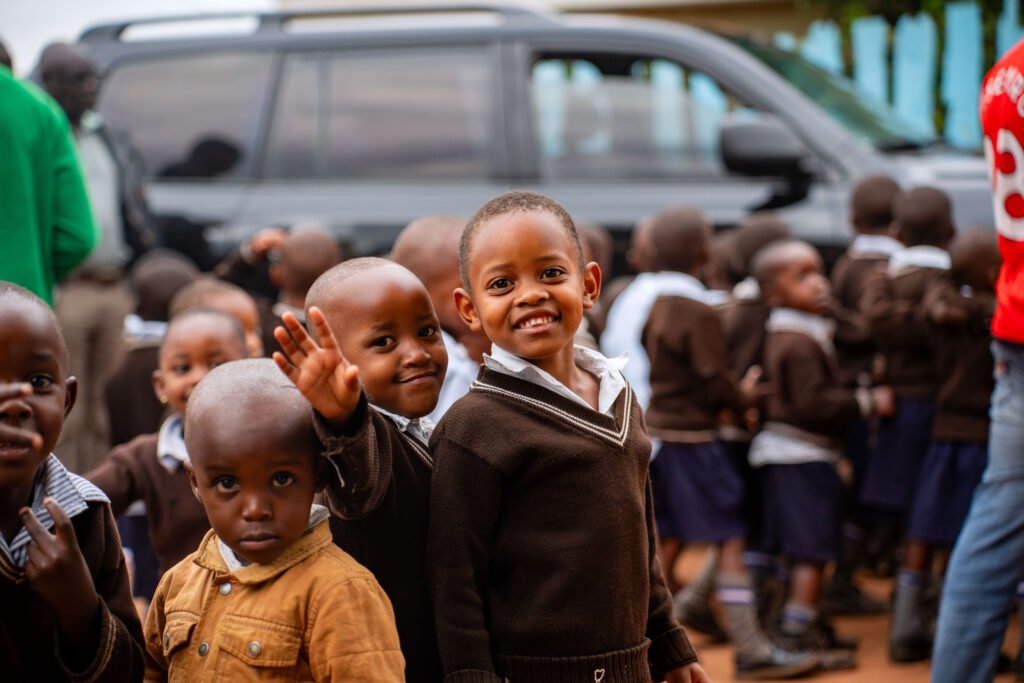
If your itinerary includes a visit or volunteering block at Amatsiko School, remember one verified impact point: 20% of every fee funds Amatsiko School, and the school serves 400+ children. Pack with intention.
What to bring for community visits in Kabale and Lake Bunyonyi
A neat, comfortable outfit reserved for community time
Closed-toe shoes for walking on village paths
A small daypack for water and personal items
A camera you can put away quickly to keep interactions consent-led
To understand how these experiences fit into a larger route, browse our broader collection of journeys: Uganda tours and safaris.
Key takeaways for packing and prep in Bwindi
Your essential packing list for Bwindi trekking should match a trek that runs under 1 hour to over 4 hours on steep, uneven rainforest trails. Prioritize waterproof boots, long sleeves, gloves, gaiters, and a daypack stocked with water, snacks, rain gear, sunscreen, a no-flash camera, and a face mask. July sits in the June–September dry season window, yet Bwindi still delivers mud and humidity. Porters remain a practical support option for steadier footing and lower fatigue.
Pack your trek kit so it’s ready the night before. You want a quiet morning, a smooth briefing, and full attention on the forest.
Frequently Asked Questions
1. What is the essential packing list for Bwindi trekking?
Your essential packing list for Bwindi trekking should include waterproof hiking boots with firm tread, long-sleeved tops and long pants, light gloves for grip, rain gear, and a daypack with accessible water and snacks. Don’t forget sunscreen, a no-flash camera, sturdy gaiters, and a face mask.
2. What should I wear for gorilla trekking in Bwindi?
For gorilla trekking in Bwindi, wear long sleeves and pants for protection against vegetation, a lightweight layer for early-morning chills, and rain protection that you can easily put on. Choose comfortable socks for long hours in boots and avoid clothing that snags easily.
3. What gear should I pack in my daypack for gorilla trekking?
Your daypack should include water, snacks, sunscreen, rain gear, a camera (set to no flash), and a face mask. Keep it simple and ensure everything is easily reachable without stopping the group.
4. Do I need a porter for gorilla trekking in Bwindi?
Using a porter can be beneficial if you want to reduce fatigue, need extra stability on slick sections, or have previous joint concerns. Porters can carry your daypack, allowing you to focus on balance and capturing moments with your camera.
5. How should I prepare for gorilla trekking in July?
Even in the dry season of June to September, pack rain gear in your daypack, use gaiters as standard, and bring adjustable layers for early starts. Be ready for the humidity and mud characteristic of Bwindi’s rainforest, despite the drier travel period.
Packed and Ready for Bwindi?
With the right gear and preparation, your gorilla trekking experience can be comfortable, safe, and unforgettable. If you’re ready to take the next step, contact our team to help arrange permits, accommodation, transport, and meaningful community experiences that make your Uganda adventure truly special.